Chose Keap
We didn’t select Keap, the company came with it and everyone new hates it and wants it gone.

| Product | Rating | Most Used By | Product Summary | Starting Price |
|---|---|---|---|---|
 Keap | N/A | Keap is a small business-focused, comprehensive sales and marketing platform which combines basic contact management, CRM, marketing automation, and e-commerce capabilities into a single, subscription-based SaaS product. | $199 per month | |
 Volusion | N/A | Volusion is a cloud-based ecommerce solution from the company of the same name in Austin, TX. It features an intuitive dashboard, built-in marketing and promos, SEO, templates, and tools to customize look and appearance. | $29 per month | |
 WooCommerce | N/A | WooCommerce is an eCommerce plugin for WordPress, developed by WooThemes (recently acquired by Automattic). Like WordPress, it is designed to be an extendable, adaptable, open-sourced platform. WooCommerce allows merchants to sell physical products, downloadables, or services. | N/A |
| Keap | Volusion | WooCommerce | ||||||||||||||||||||||
|---|---|---|---|---|---|---|---|---|---|---|---|---|---|---|---|---|---|---|---|---|---|---|---|---|
| Editions & Modules |
|
|
| |||||||||||||||||||||
| Offerings |
| |||||||||||||||||||||||
| Entry-level Setup Fee | Optional | No setup fee | No setup fee | |||||||||||||||||||||
| Additional Details | All plans with 1 user and 500 contacts. The price is $30.00 for each additional user. | — | WooCommerce is a free and open-source plugin for WordPress. Merchants can host their WooCommerce store on any private hosting service, or with Automattic directly via WordPress.com. Some added features or services from the WooCommerce Official Marketplace may have one time or subscription pricing. | |||||||||||||||||||||
| More Pricing Information | ||||||||||||||||||||||||
| Keap | Volusion | WooCommerce | |
|---|---|---|---|
| Considered Multiple Products | Keap  Ashley Voltoline Owner Chose Keap When choosing which CRM was right for our business, we looked at ActiveCampaign and Keap, as they are both greeat with automation campaigns. We decided that Keap was a better fit for our business, because Keap has a business phone line and native texting. Being able to accept …  TJ Nigro CMO (Chief Marketing Officer) Chose Keap Keap is the only CRM that we have used.  Ryan Pond Marketing Assistant Chose Keap Systeme IO is a great software with a much lower cost, but it isn't nearly as robust and it doesn't meet HIPAA standards which are essential to our business. Go High Level on the other hand is a powerful software that is limited by design and oversimplified. It really just cuts …  Austin Moorhead CEO (Chief Executive Officer) Chose Keap First off the campaign builder has no equal, the price is competitive, and the Keap community is a phenomenal resource to learn new things.  Armand Panganiban Managing Editor Chose Keap Keap, compared to MailChimp, Aweber, and Sendfox, is a complete solution. The latter 3 are primarily for email and don't have the same flexibility by themselves for a campaign or email automation. Keap, compared to Typeform, is similar, but Typeform does form building better. …  Narender Sharma Founder Chose Keap Fast, affordable, and easy. These three things are enough.  Muhammad Waheed Ensari Director Training and Consultancy Chose Keap Keap is an all-in-one platform for sending bulk emails, managing contacts, tasks management, creating workflows in email marketing, actions-based tasks, creating task reminders, managing tasks with team members, and better reporting with the analytics used in Keap. The landing …  Taylor Hicks Creative Strategist Chose Keap Keap stacks up well against similar software I've used. They are definitely the most user-friendly platform I've encountered, but not at the loss of good functionality. All the processes we need to work on/automate are available to us in Keap, it has been a wonderful growth …  Sue Ginsburg Client Success Specialist Chose Keap Keap is easy to use and has many different uses, not just one.  John Tarr Senior Internet Marketing Manager Chose Keap Keap is a cost-effective, powerful CRM and marketing automation tool for those who have the time and resources to learn all of its intricacies. For any other system, you will be paying for a better user interface, better reporting and visualizations, more intuitive everything, … |  Volusion  Haley Owens Marketing & Social Media Coordinator Chose Volusion We selected Volusion originally because of the price point, but we had NO IDEA how much we would be spending in excess to actually get the functionality that was sold to us by their salesmen and women. We are switching to BigCommerce this spring.  Michael Huey Senior Support Engineer Chose Volusion Again, we work with all of these platforms, not just Volusion. However, we do make recommendations for Volusion based on the size of client and the need for additional customization and tuning. For clients who lack major development resources in house to maintain a platform …  Catharine Small Director of Marketing Chose Volusion I've recently reviewed other platforms and Volusion is one of the few that does not charge a transaction fee. Plus, it is competitive in price.  Cameron Renfro Volusion Premiere Expert Chose Volusion Volusion provided the best overall list of features, performance history, and bang for the buck. By not being the new kid on the block, they have worked out a lot the bugs and kinks that plague many ecommerce platforms. They've also refined a system that is very user-friendly …  Jackie McClelland Online Marketing Strategist Chose Volusion I liked Volusion better because it has less options which makes learning easier. I think Magento is better for large stores.  Ryan Forrest Founder & Chief Automation Architect Chose Volusion I would say overall Volusion offers very similar solutions to these other platforms. One of the main reasons I went with it over others was my experience working on Volusion stores for years before we opened our own stores and took on new clients. I'm comfortable with the …  Patrice Romzick Owner Chose Volusion All the other products looked like they would need a webmaster. I wanted something that a novice could use.  Paul Francis Jones Web, Social Media & Ecommerce Manager Chose Volusion We use Shopify and while the monthly fee is slightly higher than Volusion, working within Shopify and the visual results you get...it's not even close. Volusion seems very outdated and overcomplicated, but looking for positives with Volusion, again, I'm paying an additional $40 …  Lisa Autumn Papageras Web Manager Chose Volusion I've used Magento and Zen Cart. I think that Volusion is better for the nontechnical people and it comes with a lot that Magento would make you buy or code an extension for.  Jose Miguel Vera Director Of Marketing Chose Volusion Volusion makes the creation of a store a simple process even for a beginner. More importantly, for advanced users it allows to work fast, efficiently, and with efficacy due to its bulk import/export functionality. Shopify is aesthetically pleasing and Magento is an open source …  Arthur Rogers Web Designer/Developer Chose Volusion Adobe Photoshop,zencart,Wordpress,Drupal,Joomla,Adobe Creative Suite  Shayna Bane Online Brand Manager Chose Volusion While K-eCommerce was very glamorous to us because it integrates with our main workflow, it just didn't have some of the marketing features that are so integral to the way we do business online. The set-up costs were also way too high. Volusion is so affordable and feature …  Megan Wexler Graphic Designer Chose Volusion Sorry, I have not used another site similar to Volusion.  Joseph Rounds Senior Web Developer Chose Volusion The choice is usually made by the time I get involved. They all have their advantages and disadvantages depending on the need of the business. |  WooCommerce  Kevin Miller Owner Chose WooCommerce WooCommerce has been here through many successes and failures for rivals but shopify has a ton of new features that, in my opinion, the WooCommerce team should take a look at. A modern facelift and a complete review of the systems and I think it'll get to where it needs to be.  Calvin Hanson Marketing and Design Chose WooCommerce The level of customization and ease of integration with an existing WordPress website makes it a good choice. Snipcart is better for developers or small sites and Shopify is an amazing e-commerce-optimized platform but if you have an existing website on Wordpress, it is much …  Swadesh Padhi Marketing Ambassador Chose WooCommerce None  Jorge Edel Aguilar Avendaño CEO Veeme Media Chose WooCommerce WooCommerce is more complete.  Luke Hall Founder Chose WooCommerce WooCommerce is a good free version that's very customisable, but is not a smooth or polished platform. If you look at both dashboards between Shopify and WooCommerce you can see the difference is huge. WooCommerce seems to be built for websites that aren't focused entirely on …  Darian Rawson Senior Designer Developer Chose WooCommerce Shopify is better in almost every way, but does come with a premium.  Kejda Gjermani Digital Publisher Chose WooCommerce Platforms like Shopify are easier to set up and running and come with better default functionality. But if your business is successful you’ll quickly run into structural limitations: 1) can’t tweak the checkout flow 2) can’t make the site much faster or better for SEO 3) any …  Luis Escoffié Especialista en Marketing Digital y Comercio Electrónico Chose WooCommerce I like WooCommerce because it can be optimized, customized and adapted to every business needs. That's because it's WordPress core, it helps us customize stores in ways we can only imagine and also we can implement Google AMP and PWA easier and faster than with other platforms. …  Kaushik Somaiya Owner Chose WooCommerce Shopify is a premium e commerce platform tailored just for online shops. While WooCommerce is a plugin which has main platform as WordPress. Shopify is costly to have. Most of the basic shop functions that are offered in shopify can be achieved using WordPress + WooCommerce … |
| Keap | Volusion | WooCommerce | |||||||||||||||||||||||||||||||||||||||
|---|---|---|---|---|---|---|---|---|---|---|---|---|---|---|---|---|---|---|---|---|---|---|---|---|---|---|---|---|---|---|---|---|---|---|---|---|---|---|---|---|---|
| CRM Project Management |
| ||||||||||||||||||||||||||||||||||||||||
| Email & Online Marketing |
| ||||||||||||||||||||||||||||||||||||||||
| Lead Management |
| ||||||||||||||||||||||||||||||||||||||||
| Campaign Management |
| ||||||||||||||||||||||||||||||||||||||||
| Reporting & Analytics |
| ||||||||||||||||||||||||||||||||||||||||
| Platform & Infrastructure |
| ||||||||||||||||||||||||||||||||||||||||
| Online Storefront |
| ||||||||||||||||||||||||||||||||||||||||
| Online Shopping Cart |
| ||||||||||||||||||||||||||||||||||||||||
| Online Payment System |
| ||||||||||||||||||||||||||||||||||||||||
| eCommerce Marketing |
| ||||||||||||||||||||||||||||||||||||||||
| eCommerce Business Management |
|
| Keap | Volusion | WooCommerce | |
|---|---|---|---|
| Small Businesses |  Salesmate Score 10.0 out of 10 |  Ecwid by Lightspeed Score 10.0 out of 10 | Ecwid by Lightspeed Score 10.0 out of 10 |
| Medium-sized Companies |  LocaliQ Score 8.7 out of 10 |  Shopify Plus Score 8.9 out of 10 | Shopify Plus Score 8.9 out of 10 |
| Enterprises |  LeadSquared Score 7.6 out of 10 |  IBM Digital Commerce Score 9.0 out of 10 | IBM Digital Commerce Score 9.0 out of 10 |
| All Alternatives | View all alternatives | View all alternatives | View all alternatives |
| Keap | Volusion | WooCommerce | |
|---|---|---|---|
| Likelihood to Recommend | 5.5 (0 ratings) | 1.5 (0 ratings) | 8.8 (0 ratings) |
| Likelihood to Renew | 9.0 (0 ratings) | 1.0 (0 ratings) | 7.0 (0 ratings) |
| Usability | 5.4 (0 ratings) | 10.0 (0 ratings) | 8.1 (0 ratings) |
| Availability | 9.1 (0 ratings) | - (0 ratings) | - (0 ratings) |
| Performance | 9.1 (0 ratings) | - (0 ratings) | - (0 ratings) |
| Support Rating | 9.0 (0 ratings) | 1.0 (0 ratings) | 5.0 (0 ratings) |
| In-Person Training | 9.1 (0 ratings) | - (0 ratings) | - (0 ratings) |
| Online Training | 8.6 (0 ratings) | - (0 ratings) | - (0 ratings) |
| Implementation Rating | 8.0 (0 ratings) | 10.0 (0 ratings) | - (0 ratings) |
| Configurability | 2.0 (0 ratings) | - (0 ratings) | 10.0 (0 ratings) |
| Ease of integration | 1.0 (0 ratings) | - (0 ratings) | - (0 ratings) |
| Product Scalability | 9.1 (0 ratings) | - (0 ratings) | - (0 ratings) |
| Vendor post-sale | 6.0 (0 ratings) | - (0 ratings) | - (0 ratings) |
| Vendor pre-sale | 1.0 (0 ratings) | - (0 ratings) | - (0 ratings) |
| Keap | Volusion | WooCommerce | |
|---|---|---|---|
| Likelihood to Recommend |
TJ Nigro CMO (Chief Marketing Officer) |
Michael Huey Senior Support Engineer |
|
| Pros |
|
|
|
| Cons |
|
Shayna Bane Online Brand Manager |
Kaushik Somaiya Owner |
| Likelihood to Renew |
 Tyler Guthrie Marketing Automation Manager |
Jose Miguel Vera Director Of Marketing |
 Rick Fitzgerald Owner/CEO |
| Usability |
 Stacey Stearns Program Specialist |
Patrice Romzick Owner |
 Prashant Chaudhari Strategic Brand & Marketing Consultant |
| Reliability and Availability |
| No answers on this topic | No answers on this topic |
| Performance |
| No answers on this topic | No answers on this topic |
| Support Rating |
|
Haley Owens Marketing & Social Media Coordinator |
|
| In-Person Training |
| No answers on this topic | No answers on this topic |
| Online Training |
| No answers on this topic | No answers on this topic |
| Implementation Rating |
|
| No answers on this topic |
| Alternatives Considered |
|
|
|
| Scalability |
| No answers on this topic | No answers on this topic |
| Return on Investment |
Ryan Pond Marketing Assistant |
Ryan Forrest Founder & Chief Automation Architect |
|
| ScreenShots | Keap Screenshots   | Volusion Screenshots  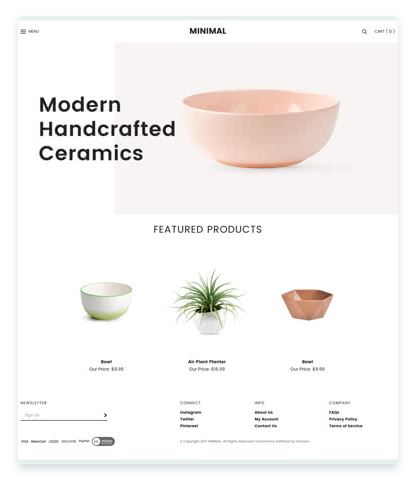    | WooCommerce Screenshots     |

