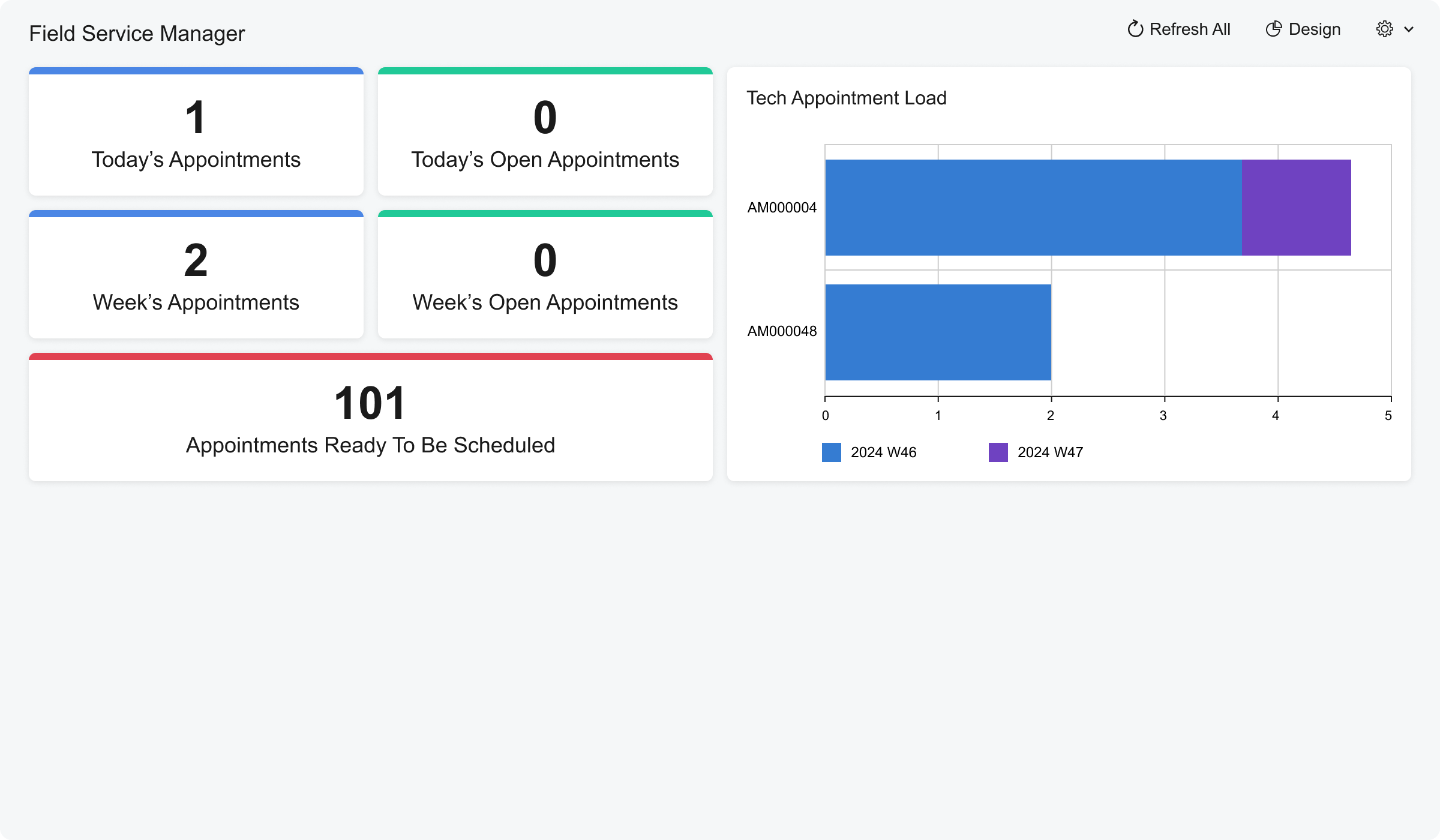
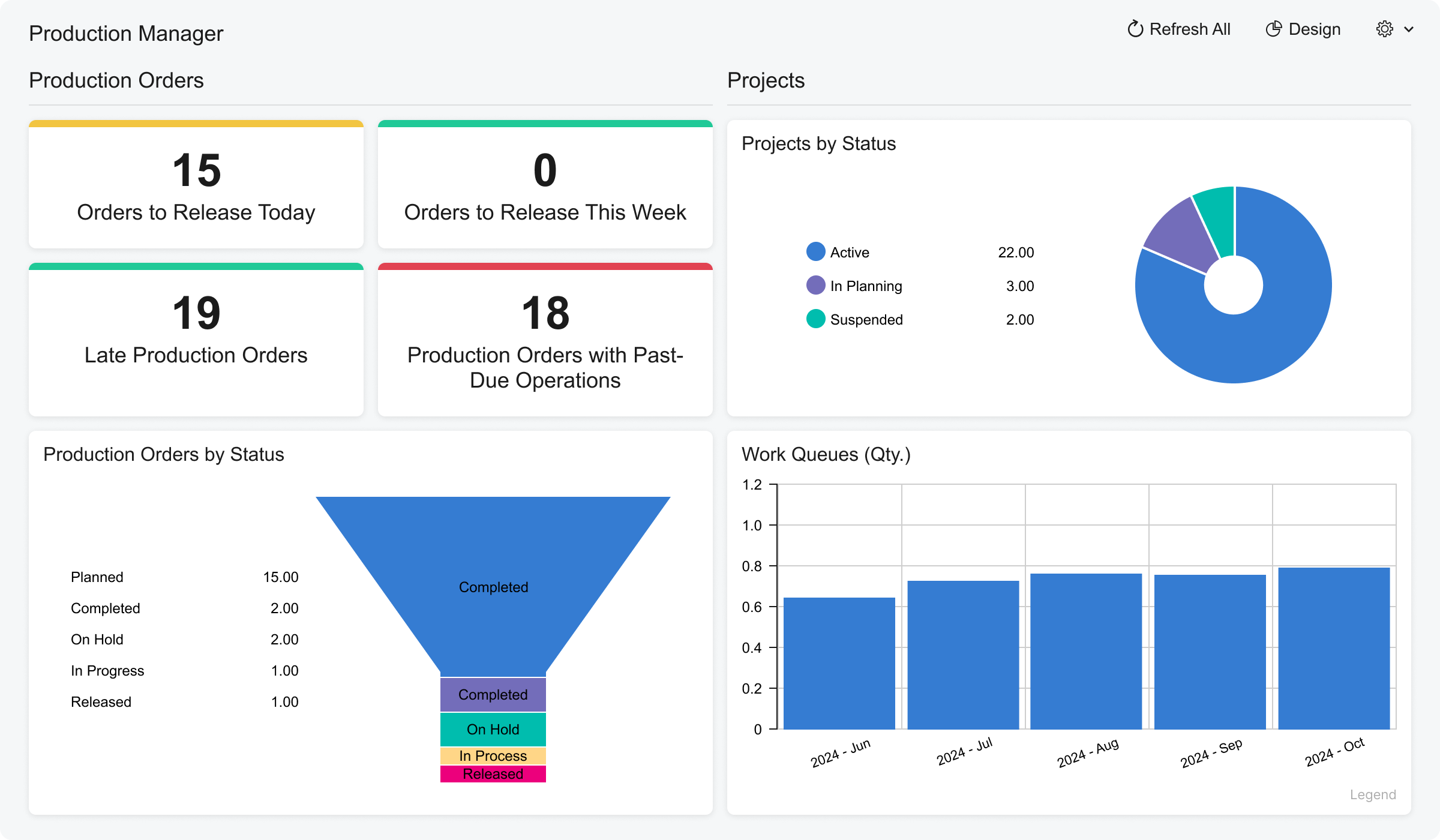
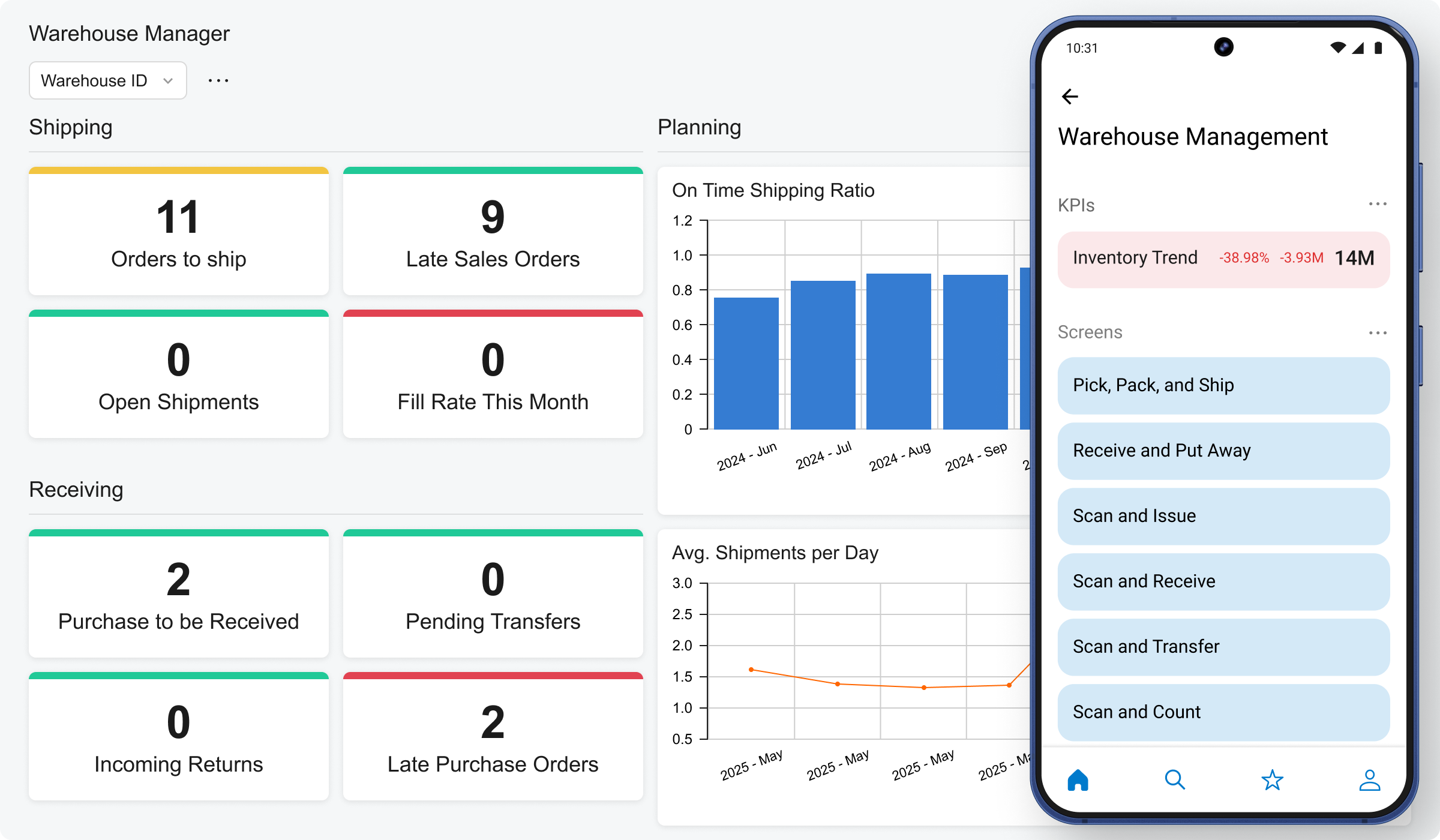
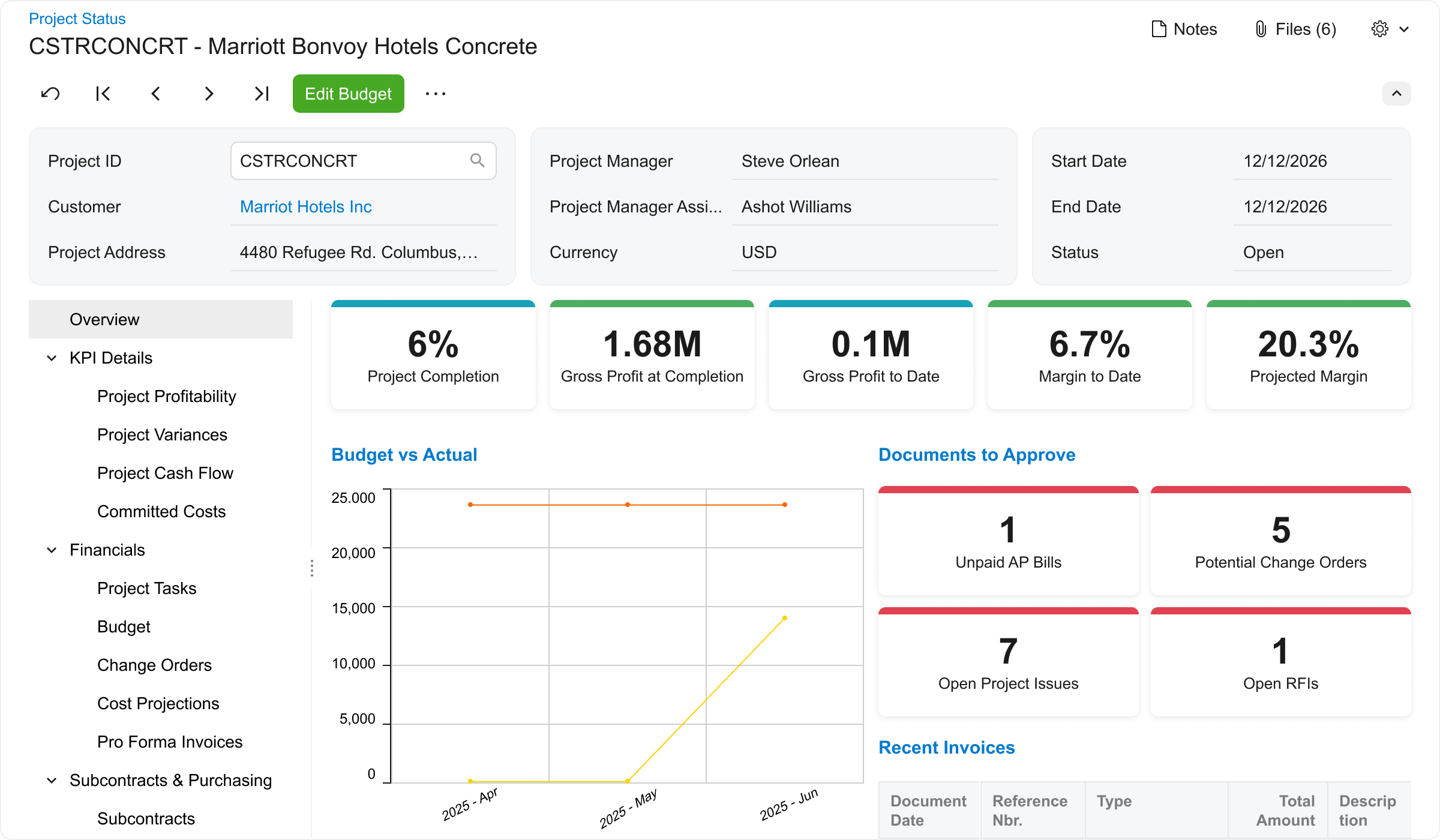
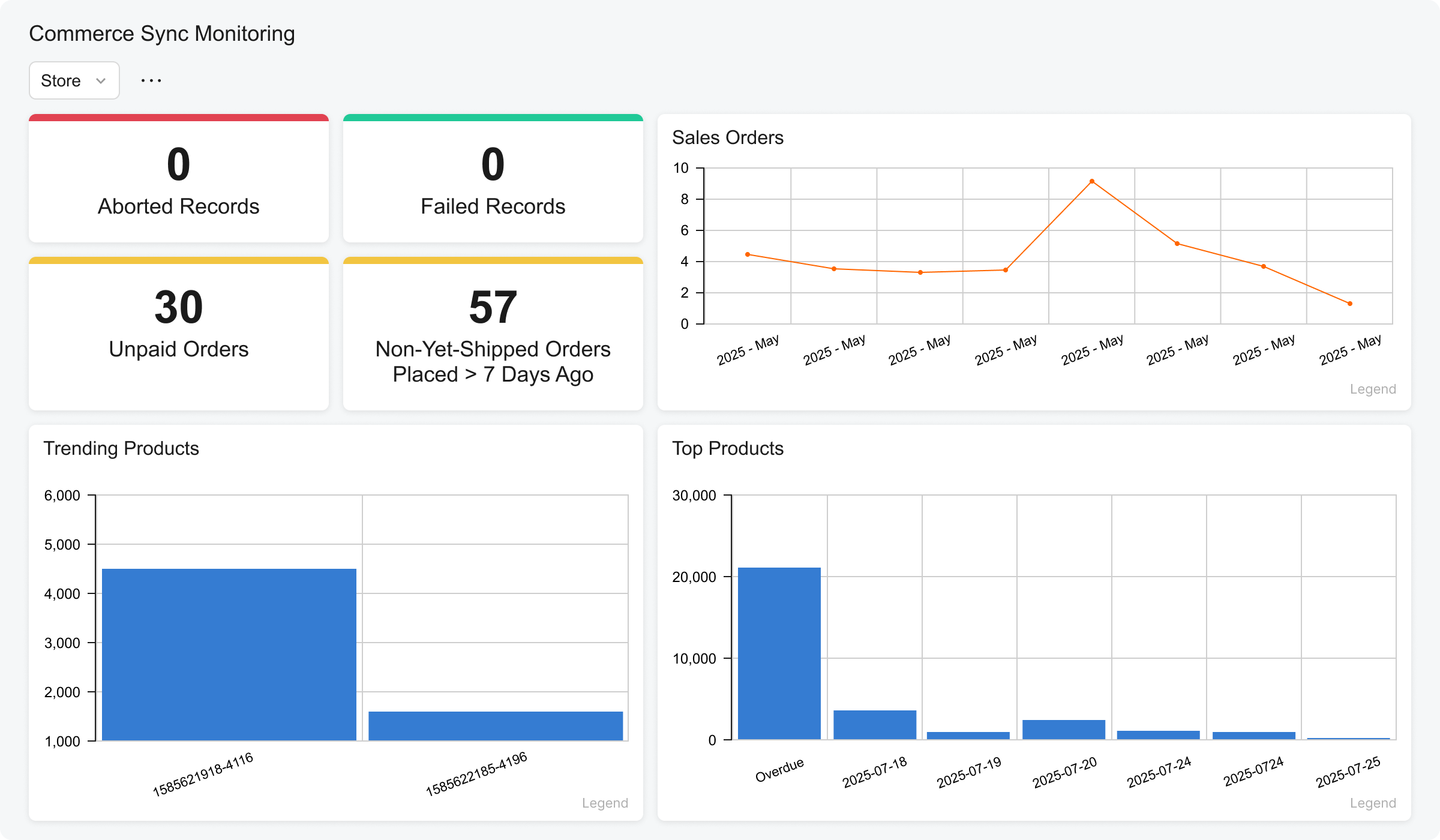
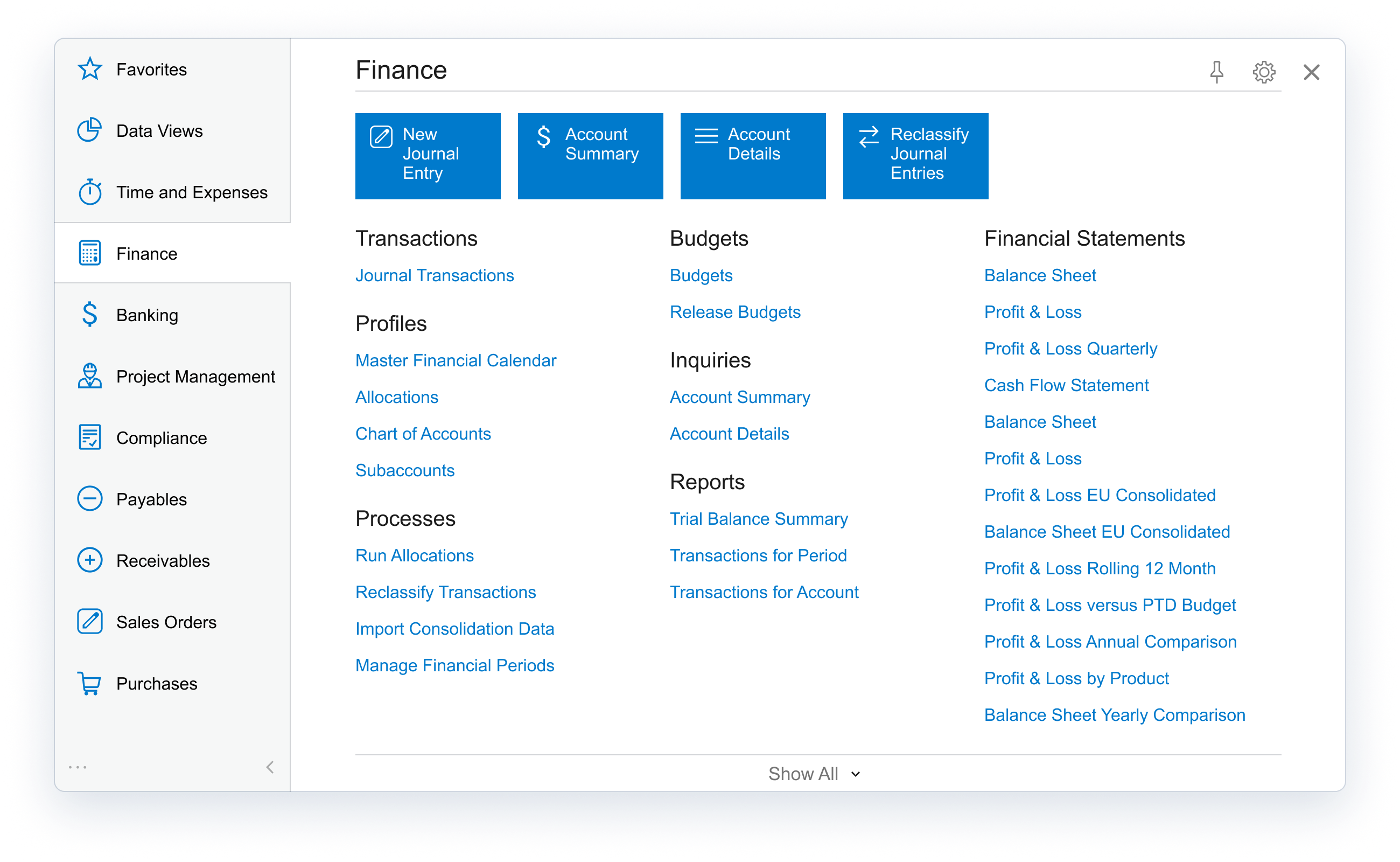
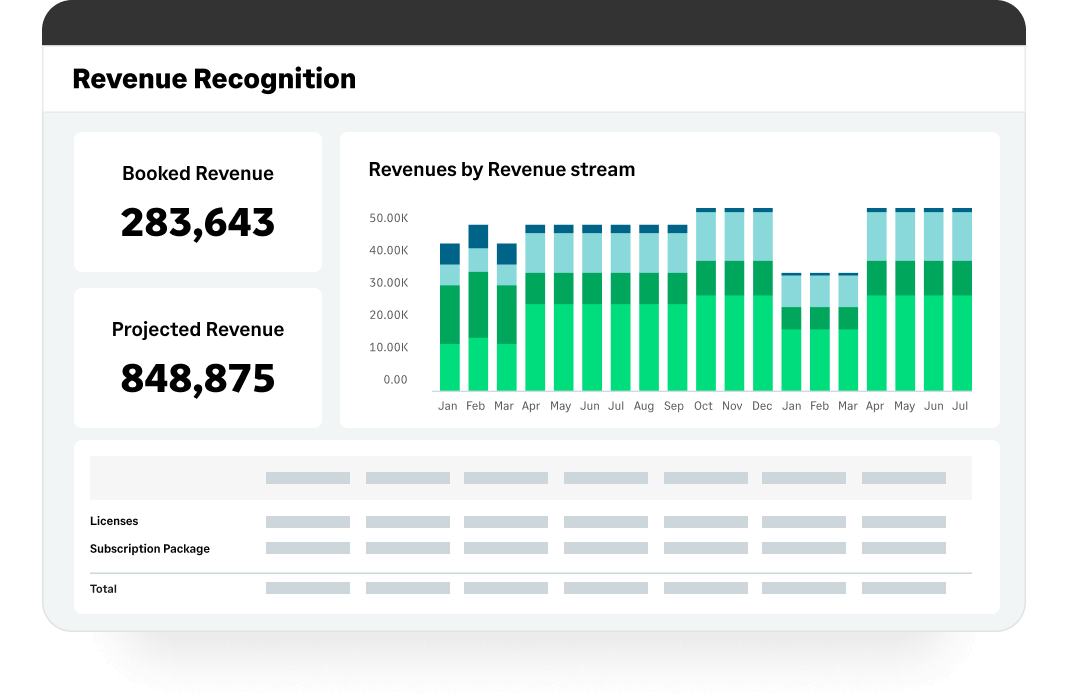
Acumatica delivers a set of cloud-based business software applications with dashboards, reporting tools, integrated document management, centralized security, and customization tools.
N/A
Sage Intacct
Score 8.6 out of 10
N/A
Sage Intacct is a cloud ERP system targeted at high-growth small and medium-sized businesses. Intacct includes applications for core financials and accounting, purchasing, order management, and financial reporting and business intelligence. It also integrates with 3rd party software like Salesforce.
N/A
SAP Ariba
Score 7.9 out of 10
N/A
With advanced tools to automate manual processes and support close collaboration with suppliers, SAP Ariba helps streamline source-to-pay processes across organizations.
N/A
Pricing
Acumatica
Sage Intacct
SAP Ariba
Editions & Modules
No answers on this topic
No answers on this topic
No answers on this topic
Offerings
Pricing Offerings
Acumatica
Sage Intacct
SAP Ariba
Free Trial
No
No
No
Free/Freemium Version
No
No
Yes
Premium Consulting/Integration Services
No
No
No
Entry-level Setup Fee
No setup fee
No setup fee
Optional
Additional Details
Pricing is always consumption-based with no five-year lock-ins or termination penalties.
The Acumatica ERP pricing structure allows adding casual users, suppliers, and customers without paying for additional licenses.
The cost is based on the features and resources utilized, not on the number of users who access the system. An Acumatica partner works with users to understand specific requirements, determine the proper resources and modules for the company, and presents a price for the license.
Sage has a limited number of users allowed in its system, which limits the visibility my project managers have into their projects. Sage also halted the entire system when you needed to post to the GL, further slowing our process. Because Acumatica is cloud-based, these are no …
Acumatica excels well against other tools due to its rich set of capabilities like deep integrated project management, financial management, scalable unlimited users, robust real-time visibility and strong customisation, outperforming Odoo's variable modules and QuickBook's …
I am not a part of the leadership team to be able to give accurate information on this side of things, but I know from using both systems that Acumatica has helped with the day to day processes that our company does. For example, Acumatica has been so much easier training our …
For the size of our business Odoo is a better fit. If we were larger and able to put more resources against development it may be better. Our business is very diversified and the flexibility of Odoo is desirable.
Amazing improvement. We selected Acumatica because it works on Macs, is browser-based yet we keep our data on our in-house servers, and it completely modernized our system.
Acumatica was much more user friendly and provided many more features that were attractive to our company. The ability to add on other products was also a key.
Sage Intacct has been great - we were coming over from Sage 50 and wanted to stay in the Sage ecosystem. Other than my aforementioned areas of improvement, we have been super happy with the platform.
Sage Intacct is a comprehensive all in one ERP business management tool that stacks up very well compared to the competition, it has very useful modules and functions within each module. The multi-entity and dimension functionality can be a game changer depending on if it is …
At first, we were indeed attracted to Intacct because it offered a lot of customization options and helped us better integrate multiple programs. However, we later discovered that the learning curve was steep, and because the vendor didn’t fully understand our business, we had …
We selected the Sage Intacct Package due to the overall sales points by the VAR that this would improve our project costing and meet our payroll type needs. The last selling point was the ability to have a VAR within the state who could be in person for meetings with us and …
Sage 50 has significantly less features/capabilities to Sage Intacct. Intacct's ability to report and segment data, in addition to it being web-based, make it much more user friendly and easy to access both the platform and relevant data needed. We are still using Rent Manager …
Sage was cheaper than Acumatica and already being used, so it was easier to stick with Sage than make a big transition with a lean team. QuickBooks would not have had the revenue recognition capabilities that Sage has.
I think Sage is much easier to use and makes more accounting sense than either MIP or FE. I often wonder if accountants are involved in creating accounting software but i do not feel like that with Sage.
We felt the 2nd best alternative to Sage Intacct was Aplos, then Blackbaud. However, there were some issues: > Overall functionality - All of our initial business requirements were fully met with Sage Intacct, which was mostly similar to other offerings. Where Sage Intacct …
I think Sage Intacct is by far the worst accounting software I have ever used. We only selected Sage Intacct in order to integrate with WooCommerce's order management platform...which we have since then ditched. We should have never migrated over from QuickBooks. We should have …
I selected both. They work together. I specifically selected MineralTree because it has a direct and bi-directional API sync with Sage Intacct. Again, I think Sage needs to be proactive to smooth out a couple of bumps: 1. the mapping of the restriction field; 2. the deleting of …
Sage Intacct offered more cloud-based options and greater customization than the software previously used. The cost-to-benefit ratio could not be beat.
I have mentioned several of the tools and applications that Sage has made available to my company and how my company has constructed to use them and apply them to our daily lives of bookkeeping, with receivable and checks and balances, making it a better and proper system with …
MS GP was no longer supported, so we switched to Intacct. QuickBooks wasn't nearly as robust, and we were enticed by both the peer organizations that use Intacct and the ability to make the system work for us in ways MS financial software had historically not.
We evaluated Sage Intacct alongside many other options, but Blackbaud and NetSuite were the frontrunners. They all were cloud-based and capable systems, but for our team, Sage Intacct was the clearer choice for a few reasons.
First, usability. Our team has varying levels of …
Ariba currently is known because majority of the customer still use SAP as the back end ERP. As mentioned earlier, it’s easy to integrate Ariba with S/4HANA or ECC more seamlessly than any other system. In case of any other system the integration between multiple system becomes …
SAP Ariba is an application which integrate with SAP seamlessly, also it eases the procurement activities compared to other ERPS such as 1)easy integration with SAP, Oracle; 2)different modules existence like Sourcing, contracts, SLP;
We are utilising business network to connect with supplier for our PO process by maintaining trading relationship which helps supplier to submit invoice using business network. Also active trading relationship help us to integration contract clid to sap ecc system . Even for …
Unified processes, reduced handoffs, and better visibility across procurement, contracts, and supplier collaboration. Ariba has access to the vast SAP Business Network, which helps with supplier onboarding, catalog management, purchase-to-pay collaboration, and global sourcing. …
I think it’s a great product. I think it’s very customizable, which is a big plus. For manufacturing, it’s excellent because of creating the inventory, turning it into an actual product to sell, and also tracking the status of each process within that system. I can’t think of any areas where it’s not suited, because otherwise we would be looking for something else or making changes, and at this time, we’re just growing with the system.
Sage Intacct is well suited for below areas 1) Integrations with third party applications 2) Contracts module for billing based on milestones and Direct Invoicing 3) Customer communications for Pending Invoices/ Dunning 4) End to End Procure to Pay module for vendor payments 5) Bank reconciliations by integrating with Bank Portals Sage Intacct is less suited for 1) Prospective MEA Allocations 2) MEA allocations during Partial cancellation of contracts 3) Past due reminders for customers 4) Exchange rate history is not available in Intacct.
If asked about SAP Ariba, I think I am likely to tell a colleague that A specific scenario would be to use SAP Ariba with an Agent to migrate the legacy contracts when a company has rolled out from scratch.
The data is very flexible, you are almost able to do anything with the data if you can establish the right relations.
The UI is very friendly and easy on the eyes, compared to our last ERP which I coined as a "List of lists" where drop-down menus lead to drop-down menus.
Dashboards and keeping everything as a single source of truth.
Custom, real-time financial reporting. I am able to streamline my reporting to pull in various account groups and calculations which save me time from having to do it in Excel.
Out of the box standard reports for clients who don't require as custom of reporting or even as a great starting point to build out reports.
Integrations with other platforms, such as Airbase, various banks, Rippling, etc.
The dashboard module is extremely helpful in my monthly review of various entities.
Complete Procurement of Inventory step easy through GUI-Ariba integration once Purchase order is created and it is sent to the SAP Ariba Supplier Network. Vendor confirms the order and sends notification of Inbound Delivery to the warehouse through ASN and the Inbound process, Goods Receipt Process, Unloading, Put away process easy.
SAP Ariba integrates the different SAP Sourcing platforms, services and their tools in order to optimize operations, saves cost and meeting customer requirements through its easy to use tools. Such as integration with SAP S/4 HANA, SAP EWM using Idocs for End to End sourcing and Procurement coverage.
As a part of the SAP Direct Sourcing suite, it helps allow customer manage their direct materials in the single dashboard and helping customer to have view of the comprehensive info about BoM and the structure. Based on requirements, buyers can run materials and/or entire Bill of Materials. When these are sent from ERP to SAP Ariba, managers can manage them in the direct spend dashboard. Can search for desired items in the dashboard and view details of BoM or deeper view of information of the material. Buyers can run sourcing, run details for materials, create material quotes, and create pricing using book quotes.
I think improvement, we don't know too much yet as we're just now going live, but the customization is the thing that's nice about software like this, you are able to customize it very well easily, but that takes a little bit of understanding to get to know that, and so we're not quite there yet. That'd probably be my complaint, even though it's not really a complaint, it's just able to do too much for us.
It is a flexible system that is very flexible and is easy to use. It will also be able to scale as the company grows. Frankly, we have invested too much time to walk away from it now and the initial phase is going well
Sage Intacct continues to well-satisfy our needs and is an easy-to-use product. Service reliability has been excellent. The ability to integrate Sage Intacct with best-in-class companion products that handle expense reporting, budgeting, etc... makes Sage Intacct an excellent value. We continue to be extremely well-satisfied with the results and performance of our experience using Sage Intacct.
User Satisfaction: The end user are at times not very happy with the solution. Return on Investment (ROI): SAP Ariba delivered measurable benefits in terms of cost savings, efficiency. Integration Capabilities: The system is easy to integrate with backend SAP ERP system. Support from Ariba team is a bit sluggish in terms of Service Requests
The processes are very intuitive and easy to use. Whether you are entering AP bills, timecards for payroll, or AR invoices, the processes are similar and easy to use. The drill-down capability is also a huge plus as you can easily toggle between different modules without having to leave the screen you are in and navigating through a menu to get the information you need. We found that the standard reports out of the box are lacking. Our implementation did not go so well and when we were finally ready to run financial reports, it was both disappointing and frustrating to discover that the P&L was highly summarized and to get a detailed report required having to do a lot of formatting myself. I was able to figure it out on my own, but when our financials were already delayed getting published, I did not really have the time to spend trying to figure out how to build my own P&L.
The ease of use as a seasoned user is wonderful; however, new users struggle to adapt to the program efficiently. Better training videos--all in one location--would be beneficial. The use of a "sandbox" environment is a great tool for new employees or for the fiscal department to test certain journal entries or other transactions to verify accuracy of data.
After implementing SAP Ariba, our procurement operations have improved significantly. We know what to order, when, how much to order, and the dollar value we will spend. This helps us manage our inventory better and improve cash flow. Also, API enables us to integrate with external modules like logistics and freight booking and tracking.
There has only been one occurrence where Sage Intacct was not available to me, however I had already been working a number of hours trying to get a project completed. It honestly allowed me to step back and take a much needed break.
As fas as integration is concerned I don't feel this slows Sage Intacct down at all. However, sometimes I do feel it takes some larger reports more time to load due to all the detail. As well as, I "move very fast" in my motions so sometimes I double click on fuctions too quickly and the system seems to think that I have a duplicate request.
I would rate the overall support for Acumatica an 8 out of 10. The support team is generally responsive, knowledgeable, and helpful when resolving issues or answering questions. Documentation and community resources are also useful. However, response times can occasionally vary depending on the complexity of the issue or support queue, which slightly affects the overall experience.
Only a few times have we had to reach out to support, and every time we did, we received a relatively quick response and a solution was found fairly quickly. Only once was there an issue that took longer than a week to resolve, but it still did eventually get solved.
Customer support has always been top notch. From small configuration changes to overall process changes, support has the teammates in place with excellent knowledge and is able to provide solutions based on business challenges quickly. Their customer support through their Account teams continues to be hands on and very responsive to needs in a timely fashion.
I have taken in person training classes at several of the annual Sage Intacct user conferences. It is very interactive and the trainers are very easy to follow and understand. They are great at getting everyone in the class involved. They also make sure everyone has learned to task before moving to a new one.
The free training is very minimal. For what we pay for the service, I would like more training. We end up training new users in-house because the provided free training is not nearly comprehensive enough. That being said, the training provided, for the material covered, was adequate and relevant for the given topics.
I'd say the partner selection is critically important. I think the software is very easy to implement. It's very customizable to your business. Finding a partner that will work with you to understand your business and your needs is the critical piece to make sure that the system goes along with it.
I would not use a thrid party administrator to implement your system, especially if you are going to be modifying the system at all. Use Intacct implementors as they will be able to better support you on any issues that come up after you go live.
Acumatica excels well against other tools due to its rich set of capabilities like deep integrated project management, financial management, scalable unlimited users, robust real-time visibility and strong customisation, outperforming Odoo's variable modules and QuickBook's limited ERP capabilities.
We felt the 2nd best alternative to Sage Intacct was Aplos, then Blackbaud. However, there were some issues: > Overall functionality - All of our initial business requirements were fully met with Sage Intacct, which was mostly similar to other offerings. Where Sage Intacct distinguished itself was in its business model, what we would end up with after implementation that would stream-line our organization. > Open architecture - APIs for our other specific software tools were already part of Sage Intacct and others did not have the robust existing offerings and did not make clear how we would build such hooks. > Pricing - Sage Intacct ended up the best price, with the software and implementation support bundled into one annual price. Our multi-year agreement was also the best price, through negotiations / iterations. > References - We contacted references for each vendor in consideration. Church/non-profit Sage Intacct users spoke and understood "our language" and were incredibly positive about their experience with Sage Intacct. References provided by other vendors missed the mark in terms of a business match, which doesn't bode well if those are what is offered.
Unified processes, reduced handoffs, and better visibility across procurement, contracts, and supplier collaboration. Ariba has access to the vast SAP Business Network, which helps with supplier onboarding, catalog management, purchase-to-pay collaboration, and global sourcing. If your organization uses the broader SAP S/4HANA or SAP ERP stack, Ariba provides native hooks, data models, and support for SAP-centric processes.
From my understanding, the P.O. module is not very robust, at least the last time I inquired about it. At the time, it had a one-to-one match, with one invoice for one P.O. and that isn't practical for many businesses. I don't believe it would be an easy system to use for sending out invoices, if we had thousands of retail utility customers. We do a small number of invoices because we sell wholesale power, not retail, so we only Invoice the municipality. Not each utility customer.
Positive. Again, it is just that insight that everybody can see. Whether it's my sales guy that's on the show floor that's looking at it at his mobile app, or if it's me in the office logging in every single day, I know what our inventory is. I'm never worried about if we have enough product or where everyone is at. It has it all.
Positive - It runs better than our old software when we all work together, rather than having to sign off on each other and deal with syncing issues.
Negative - It's not as easy to go back to fix an amount, a date, etc. Sometimes, a very small mistake needs to be corrected by voiding and redoing the entire transaction.
We can successfully sync other software we use with Intacct! It reduces workload when things are automated.
Positive : Cost Savings:Improved visibility into spending patterns and supplier performance can contribute to better negotiation strategies and cost savings. Organizations leveraging SAP Ariba may negotiate better contracts, identify opportunities for consolidation, and optimize overall procurement costs
Positive - Enhanced Supplier Relationships:Improved supplier collaboration tools and performance monitoring features help organizations build stronger relationships with their suppliers. This can lead to better negotiation outcomes, more favorable terms, and increased reliability in the supply chain.
might be negative - Integration Complexity:While SAP Ariba integrates well with various enterprise systems, the complexity of the integration process can be a challenge. Delays or issues during integration may hinder the realization of benefits and impact overall ROI.