Chose Hotjar
Hotjar is the only tool like this that I've used. It is easy to use and beneficial. I would recommend it to anyone looking for this kind of tool.

| Product | Rating | Most Used By | Product Summary | Starting Price |
|---|---|---|---|---|
 Hotjar | N/A | Hotjar is a conversion rate optimization tool for digital marketers. Features include heatmapping, visual session recording, conversion funnel analytics, form analytics, feedback polls and surveys, and usability testing. The tool is used by digital analysts, UX designers, web developers and product marketers. Hotjar was acquired by Contentsquare September 2021, and is now a Contentsquare brand. | $39 per month 100 daily sessions | |
 Vero Cloud | N/A | Vero Workflows is an email marketing solution built to make customer engagement simpler with features such as in-app behavior tracking, audience segmentation, and workflow automation. | $54 per month | |
 VWO | N/A | VWO is an A/B testing and conversion optimization platform that enables growing businesses to conduct qualitative and quantitative visitor research, build an experimentation roadmap and run continuous experiments on their digital properties. With its 5 capabilities Plan, Track, Test, Analyze, and Target, it brings the entire CRO (conversion rate optimization) process at one place. VWO helps online businesses follow the process- and data-driven conversion… | $99 per month |
| Hotjar | Vero Cloud | VWO | ||||||||||||||||||||||
|---|---|---|---|---|---|---|---|---|---|---|---|---|---|---|---|---|---|---|---|---|---|---|---|---|
| Editions & Modules |
|
|
| |||||||||||||||||||||
| Offerings |
| |||||||||||||||||||||||
| Entry-level Setup Fee | No setup fee | Optional | No setup fee | |||||||||||||||||||||
| Additional Details | Discount available for annual pricing. | 15% discount applied with an annual subscription, paid upfront. | — | |||||||||||||||||||||
| More Pricing Information | ||||||||||||||||||||||||
| Hotjar | Vero Cloud | VWO | |
|---|---|---|---|
| Considered Multiple Products |  Hotjar  Alex Richards Chief Information Officer & Co-Founder Chose Hotjar For us, Hotjar was really simple to implement and the user interface is really easy to use and get accustomed to. Some of the other products we evaluated didn't have as rich features and were way overpriced which made us choose Hotjar. Also, Hotjar allows you to capture …  Leandro Chaves Desenvolvedor de software Chose Hotjar Whatever software does, Hotjar does better. Integration and setup are really fast and you can have data to analyze in a few minutes. Also, the support team is very dedicated and there's a lot of documentation and examples you can follow.  Namandeep Bhatia Co Founder & Chief Technology Officer Chose Hotjar There are overlaps of a few features, but session recording is a unique feature of Hotjar.  Akhil Gupta Senior Software Engineer Chose Hotjar Cmparing with other products in the same vertical, we found the UX UI for Hotjar the best. It is easier to integrate with and has lot many more features as compared to its nearest competitors. We fount the product to be robust and accurate with lot of customizable options to …  Jasper van der Zwaan Mgr. Web Optimization Chose Hotjar I test drove Lucky Orange and decided to keep Hotjar as the UI is easier to use. The competitor had no compelling features vs the ones offered by Hotjar. I also found the standard sound effects in Lucky Orange very overbearing and obnoxious.  Markus Kapferer Head of E-Commerce Chose Hotjar We used different tools but Hotjar combines several functionalities in one tool. So we used and are still using SurveyMonkey for bigger Surveys but it's handy to also have a tool where we can create short single questions surveys. We selected Hotjar because it is a good …  Carlos Ibarra Director Operaciones Chose Hotjar Hotjar is better at taking screenshots from landing pages which help us better visualize clicks, scroll and mouse movements. With Hotjar, we can better see what users are doing on our landing pages. This way you'll have a much more accurate picture of how people arrive at …  Camilo Honorato Analista de Marketing Chose Hotjar The thing is I never used another tool like Hotjar before All my website analysis I made with Google Products before (Analytics, Tag Manager, Data Studio, etc..) But Hotjar really helps a lot to understand what my website means to my potential customers and even more, It allows …  Becky Jewell Laughton Director of Customer Happiness Chose Hotjar I've really liked Hotjar for our web app and haven't had a need to look for other products. We've used Hotjar for three years and it gets us the answers we need for our web app UI changes or releases. I've really enjoyed using it. |  Vero Cloud  Frank Ramirez Co-Founder, CTO and Product Lead Chose Vero Cloud We formerly used MailChimp for newsletter emails and Mandrill for website transactional emails. While working well, Mailchimp restructured its services a while back, making them more cost prohibitive for us. Furthermore, the two services weren't as well integrated. We chose …  James McQuillin VP Marketing Chose Vero Cloud Vero's price tag is far more attractive but for what you will find to be clear and obvious reasons. Vero has no CRM unlike HubSpot and Infusionsoft. Vero also has limited tracking unlike the seemingly endless possibilities offered from HubSpot which as we all know comes with at … |  VWO  Lee Preston Conversion Rate Optimisation Lead Chose VWO As I mentioned, VWO is a great all-in-one tool that lets clients research & test all within one tool. It's a little on the expensive side so it might not deliver the desired ROI for smaller clients and can also encourage the small clients to run small, insignificant A/B tests …  Diego Polanco CRO Consultant Chose VWO VWO is by far the easiest tool to use among all experimentation tools. It is like the experimentation tool for dummies and works as well as the others. A highlight would be the reports on every test because compared to the others, in VWO is way much easier to understand the …  Ernie DeCoite VP, Digital Marketing Chose VWO Basically, they have the same features but VWO is much cheaper than the paid version of optimize. If you don't need to do more than 5 experiments at a time, then the free version of Optimize is great. If you do need to be able to do more than that, then VWO is a great …  Joseph Collins Account Supervisor Chose VWO While there are many free or cheap options for A/B and multivariate testing out there (and we have tried several), VWO provides the right balance between cost and capability for our agency. That, and the level of customer service provided when we need it makes VWO our choice …  Dominic Walker Trainee Marketing Manager Chose VWO We use VWO not in competition with, but alongside other tools, as we believe a mixture is the best recipe for success. Hotjar is a slightly different offering and has some very strong heatmap/ journey mapping capabilities. We tend to use it for that, with the insight feeding …  Kevin McLallen Program Manager Chose VWO There are significant differences in each platform when it comes to optimizely and vwo. From a functionality and performance perspective they each have their pros and cons. It is important to go through the feature sets of each and ensure the solution you select will work …  Michel Zurkirchen Content manager Chose VWO I used Google Optimize when it had just launched. It was therefore not yet a competitor to VWO. I haven't used it in roughly half a year time, so a lot has probably changed. I still use Hotjar for certain features that VWO offers, but which I think function better in Hotjar. I …  Brian Toomey CEO & Founder Chose VWO Other options seemed too pricey or too dependent on normal development workflows.  Mark Harding CRO | UX Manager Chose VWO We enquired and looked into using Optimizely and Qubit before deciding on VWO. All appear to be great tools that would have done the job required, however, when compared, we didn't hit the level of traffic for Qubit to consider a partnership, and Optimizely was a lot more …  Megan Lattanzi Web Developer Chose VWO I was not involved in optimizely, nor did we implement it outside a free trial I believe, but VWO seemed to do generally the same things with a lower cost, though I could be mistaken. I have used qualtrics in the past. It is very good for survey creation and logic. I know some … |
| Hotjar | Vero Cloud | VWO | |||||||||||||||||||||||||||||||||||||||||||||||
|---|---|---|---|---|---|---|---|---|---|---|---|---|---|---|---|---|---|---|---|---|---|---|---|---|---|---|---|---|---|---|---|---|---|---|---|---|---|---|---|---|---|---|---|---|---|---|---|---|---|
| Email & Online Marketing |
| ||||||||||||||||||||||||||||||||||||||||||||||||
| Reporting & Analytics |
| ||||||||||||||||||||||||||||||||||||||||||||||||
| Testing and Experimentation |
| ||||||||||||||||||||||||||||||||||||||||||||||||
| Audience Segmentation & Targeting |
| ||||||||||||||||||||||||||||||||||||||||||||||||
| Results and Analysis |
|
| Hotjar | Vero Cloud | VWO | |
|---|---|---|---|
| Small Businesses |  Smartlook Score 8.8 out of 10 |  Mad Mimi Score 10.0 out of 10 |  Convert Experiences Score 9.9 out of 10 |
| Medium-sized Companies |  Siteimprove Score 9.1 out of 10 |  VerticalResponse Score 10.0 out of 10 |  Dynamic Yield Score 9.0 out of 10 |
| Enterprises |  Contentsquare Score 7.4 out of 10 |  Emma by Marigold Score 8.6 out of 10 | Dynamic Yield Score 9.0 out of 10 |
| All Alternatives | View all alternatives | View all alternatives | View all alternatives |
| Hotjar | Vero Cloud | VWO | |
|---|---|---|---|
| Likelihood to Recommend | 10.0 (0 ratings) | 8.0 (0 ratings) | 7.7 (0 ratings) |
| Likelihood to Renew | 5.1 (0 ratings) | - (0 ratings) | 8.7 (0 ratings) |
| Usability | 9.7 (0 ratings) | - (0 ratings) | 8.7 (0 ratings) |
| Availability | - (0 ratings) | - (0 ratings) | 9.1 (0 ratings) |
| Performance | - (0 ratings) | - (0 ratings) | 8.2 (0 ratings) |
| Support Rating | 9.6 (0 ratings) | - (0 ratings) | 9.1 (0 ratings) |
| Online Training | - (0 ratings) | - (0 ratings) | 6.4 (0 ratings) |
| Implementation Rating | - (0 ratings) | - (0 ratings) | 9.1 (0 ratings) |
| Configurability | - (0 ratings) | - (0 ratings) | 8.2 (0 ratings) |
| Ease of integration | 9.0 (0 ratings) | - (0 ratings) | 3.6 (0 ratings) |
| Product Scalability | - (0 ratings) | - (0 ratings) | 8.2 (0 ratings) |
| Vendor post-sale | - (0 ratings) | - (0 ratings) | 9.1 (0 ratings) |
| Vendor pre-sale | - (0 ratings) | - (0 ratings) | 8.2 (0 ratings) |
| Hotjar | Vero Cloud | VWO | |
|---|---|---|---|
| Likelihood to Recommend |
 Zach Ettelman Director, Digital Innovation |
James McQuillin VP Marketing |
|
| Pros |
 Sarah O'Donnell UX & CRO Executive |
James McQuillin VP Marketing |
Kevin McLallen Program Manager |
| Cons |
 Santiago Valdés Cofounder / Marketing, Growth, Technology, Experience |
Frank Ramirez Co-Founder, CTO and Product Lead |
Michel Zurkirchen Content manager |
| Likelihood to Renew |
 Patrick Eng Marketing Technologist | No answers on this topic |
|
| Usability |
 Halima Satheya Digital Optimisation Lead | No answers on this topic |
|
| Reliability and Availability | No answers on this topic | No answers on this topic |
|
| Performance | No answers on this topic | No answers on this topic |
|
| Support Rating |
Zach Ettelman Director, Digital Innovation | No answers on this topic |
|
| Online Training | No answers on this topic | No answers on this topic |
|
| Implementation Rating | No answers on this topic | No answers on this topic |
|
| Alternatives Considered |
|
Frank Ramirez Co-Founder, CTO and Product Lead |
Diego Polanco CRO Consultant |
| Scalability | No answers on this topic | No answers on this topic |
|
| Return on Investment |
|
Frank Ramirez Co-Founder, CTO and Product Lead |
Joseph Collins Account Supervisor |
| ScreenShots | Vero Cloud Screenshots   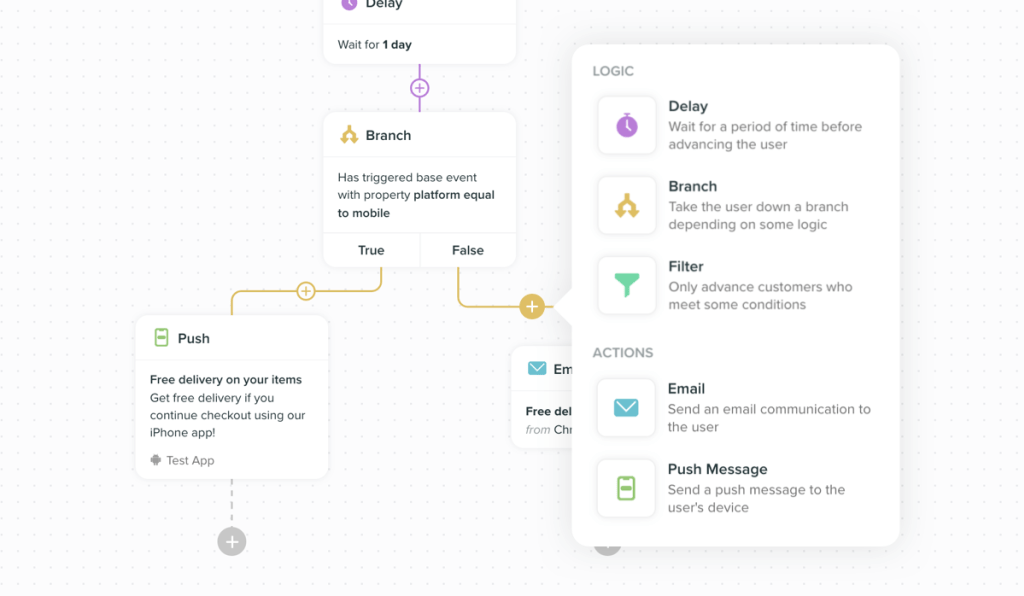 | VWO Screenshots  |