
Neal Bauer
President - Bauer Graphics
Chose Paymo

| Product | Rating | Most Used By | Product Summary | Starting Price |
|---|---|---|---|---|
 Paymo | N/A | Paymo is a collaborative work management platform that helps track team progress, collaborate in context, and make smarter decisions. It acts as a single source of truth, where project planning, resource scheduling, file proofing, time tracking, and billing feed into each other to co-exist under the same roof. | $0 Up to 10 users | |
 Slack | N/A | Slack is a group messaging or team collaboration app that aims to simplify communication for businesses. Features include open discussions, private groups, and direct messaging, as well as deep contextual search and message archiving, and file sharing. Slack integrates with a number of other tools, such as MailChimp, Dropbox, and Google Drive. Slack was acquired by Salesforce in December 2020. The product is free to use, and also has paid plans with more features and greater controls. The… | $8.75 per month per user |
| Paymo | Slack | |||||||||||||||
|---|---|---|---|---|---|---|---|---|---|---|---|---|---|---|---|---|
| Editions & Modules |
|
| ||||||||||||||
| Offerings |
| |||||||||||||||
| Entry-level Setup Fee | No setup fee | No setup fee | ||||||||||||||
| Additional Details | Free version available for freelancers. | *Per active user, per month, when paying once a year. Pro is $8.75 USD per active user when paying month to month. Business+ is $15.00 USD per active user when paying month to month. | ||||||||||||||
| More Pricing Information | ||||||||||||||||
| Paymo | Slack | |
|---|---|---|
| Considered Both Products | Paymo Neal Bauer President - Bauer Graphics Chose Paymo | Slack No answer on this topic |
| Paymo | Slack | |||||||||||||||||||||||||||||||||||||||||||||
|---|---|---|---|---|---|---|---|---|---|---|---|---|---|---|---|---|---|---|---|---|---|---|---|---|---|---|---|---|---|---|---|---|---|---|---|---|---|---|---|---|---|---|---|---|---|---|
| Project Management |
| |||||||||||||||||||||||||||||||||||||||||||||
| Professional Services Automation |
| |||||||||||||||||||||||||||||||||||||||||||||
| Communication |
| |||||||||||||||||||||||||||||||||||||||||||||
| File Sharing & Management |
|
| Paymo | Slack | |
|---|---|---|
| Small Businesses |  Stackby Score 8.9 out of 10 | Stackby Score 8.9 out of 10 |
| Medium-sized Companies |  InEight Score 8.4 out of 10 |  Troop Messenger Score 9.8 out of 10 |
| Enterprises | InEight Score 8.4 out of 10 |  HCL Connections Score 9.0 out of 10 |
| All Alternatives | View all alternatives | View all alternatives |
| Paymo | Slack | |
|---|---|---|
| Likelihood to Recommend | 8.0 (10 ratings) | 9.2 (626 ratings) |
| Likelihood to Renew | - (0 ratings) | 10.0 (25 ratings) |
| Usability | 9.0 (1 ratings) | 9.0 (248 ratings) |
| Availability | - (0 ratings) | 10.0 (2 ratings) |
| Performance | - (0 ratings) | 10.0 (2 ratings) |
| Support Rating | 8.9 (3 ratings) | 9.9 (68 ratings) |
| Implementation Rating | - (0 ratings) | 8.7 (5 ratings) |
| Configurability | - (0 ratings) | 10.0 (2 ratings) |
| Contract Terms and Pricing Model | - (0 ratings) | 10.0 (1 ratings) |
| Ease of integration | - (0 ratings) | 9.2 (2 ratings) |
| Product Scalability | - (0 ratings) | 10.0 (1 ratings) |
| Professional Services | - (0 ratings) | 10.0 (1 ratings) |
| Vendor post-sale | - (0 ratings) | 10.0 (1 ratings) |
| Vendor pre-sale | - (0 ratings) | 10.0 (1 ratings) |
| Paymo | Slack | |
|---|---|---|
| Likelihood to Recommend | ProfitSolv
| Salesforce
 Jeremy Herman Security Engineer |
| Pros | ProfitSolv
 Daniel Summers Jr Head Cat | Salesforce
 Donavan Dunga Training Manager |
| Cons | ProfitSolv
 Kaitlin Berg Marketing Communications Coordinator | Salesforce
|
| Likelihood to Renew | ProfitSolv No answers on this topic | Salesforce
|
| Usability | ProfitSolv
| Salesforce
|
| Reliability and Availability | ProfitSolv No answers on this topic | Salesforce
 Leonardo Oliveira Quality Analyst |
| Performance | ProfitSolv No answers on this topic | Salesforce
Leonardo Oliveira Quality Analyst |
| Support Rating | ProfitSolv
| Salesforce
|
| Implementation Rating | ProfitSolv No answers on this topic | Salesforce
Leonardo Oliveira Quality Analyst |
| Alternatives Considered | ProfitSolv
Neal Bauer President - Bauer Graphics | Salesforce
|
| Return on Investment | ProfitSolv
 Heather Miller Senior Graphic Designer | Salesforce
 Michael Grey Director of Operations |
| ScreenShots | Paymo Screenshots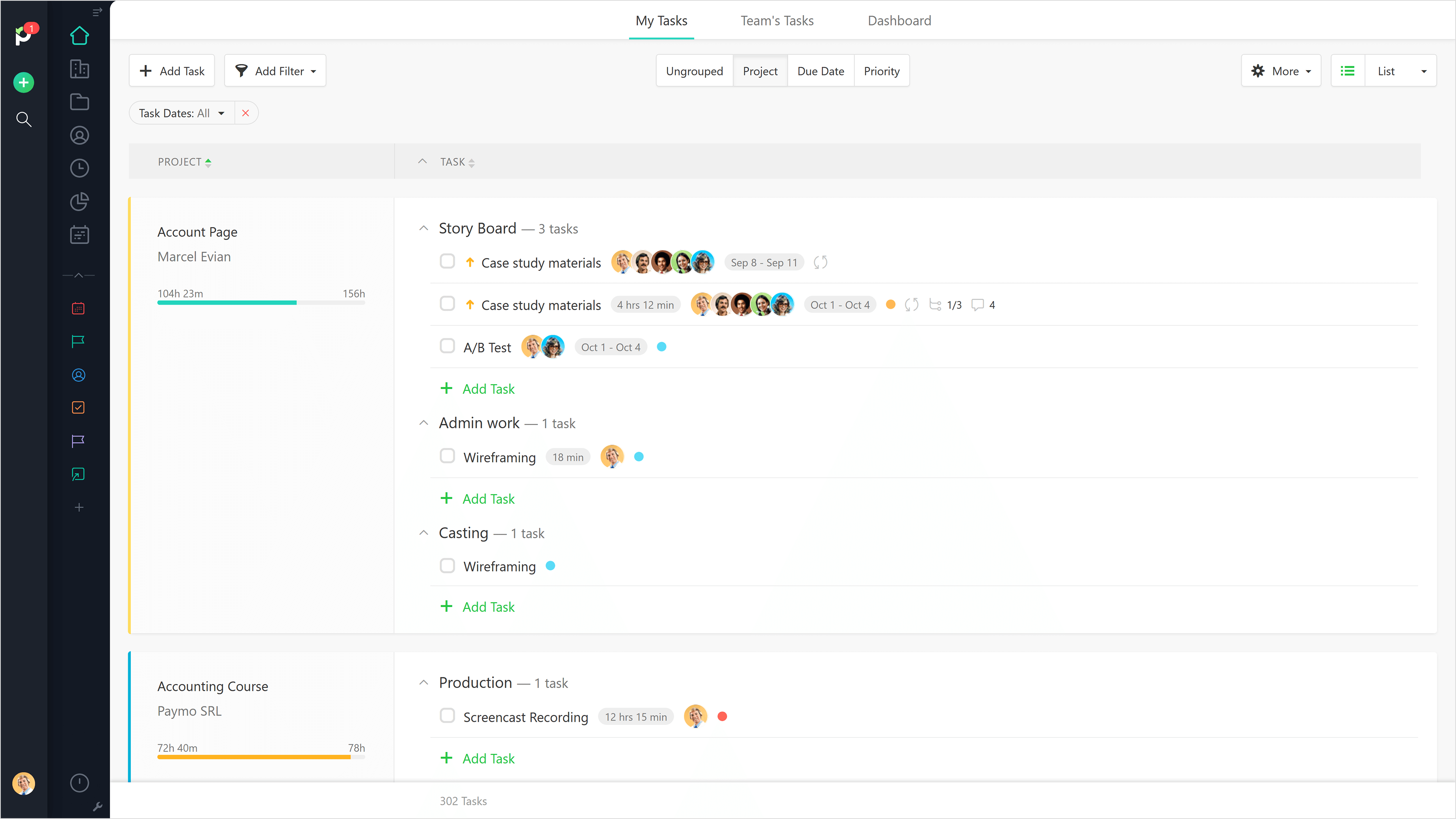 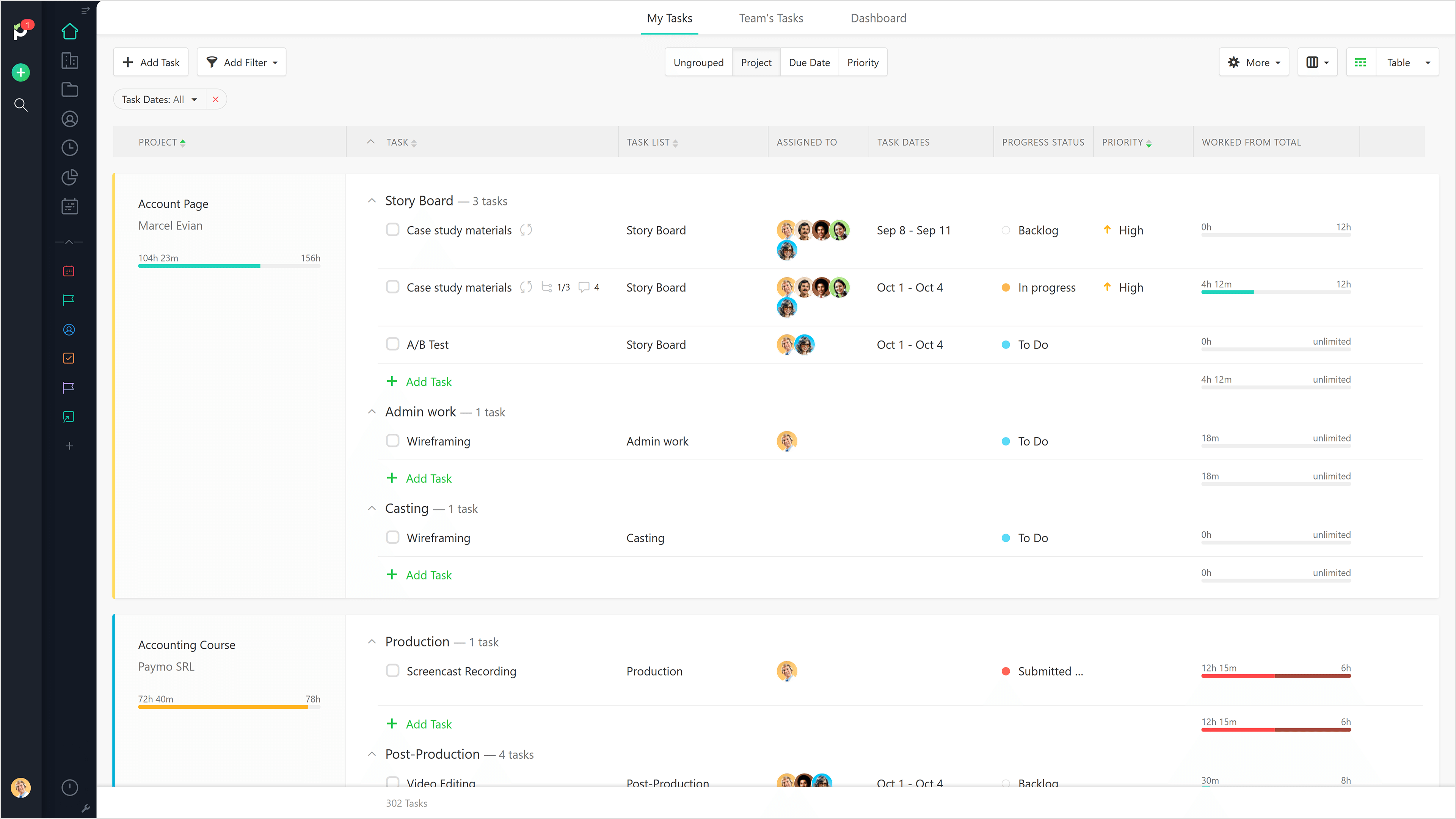     |
