
Chose Salesforce Agentforce Commerce
Salesforce Agentforce Commerce vs. Shopify Plus vs. Squarespace
Salesforce Agentforce Commerce vs. Shopify Plus vs. Squarespace
| Product | Rating | Most Used By | Product Summary | Starting Price |
|---|---|---|---|---|
 Agentforce Commerce | N/A | Salesforce Agentforce Commerce (formerly Commerce Cloud, and Demandware before that) is a cloud-based eCommerce solution for enterprises with merchandising tools, such as sorting, filtering, and image zooming, allowing customers to browse products. | $4 per month | |
 Shopify Plus | N/A | Shopify Plus is an eCommerce solution built for enterprise-level companies that enables them to sell online and offline across social channels like Facebook , Pinterest, and marketplaces like Amazon and eBay. | $2,300 per month with a 3-year commitment | |
 Squarespace | N/A | Squarespace is a CMS platform that allows users to create a DIY blog, eCommerce store, and/or portfolio (visual art or music). Some Squarespace website and shop templates are industry or use case-specific, such as menu builders for restaurant sites. | $25 per month |
| Salesforce Agentforce Commerce | Shopify Plus | Squarespace | ||||||||||||||||||||||
|---|---|---|---|---|---|---|---|---|---|---|---|---|---|---|---|---|---|---|---|---|---|---|---|---|
| Editions & Modules | No answers on this topic |
|
| |||||||||||||||||||||
| Offerings |
| |||||||||||||||||||||||
| Entry-level Setup Fee | No setup fee | No setup fee | No setup fee | |||||||||||||||||||||
| Additional Details | B2B Commerce: Starter - $4 price/order Growth - $6 price/order Plus - $8 price/order B2C Commerce: Starter - 1% Gross Merchandise Value Growth - 2% Gross Merchandise Value Plus - 3% Gross Merchandise Value B2B2C Commerce: 1% Gross Merchandise Value | — | 28% to 36% discount available for annual pricing. | |||||||||||||||||||||
| More Pricing Information | ||||||||||||||||||||||||
| Salesforce Agentforce Commerce | Shopify Plus | Squarespace | |
|---|---|---|---|
| Considered Multiple Products |  Agentforce Commerce  Gary Penn Global VP Digital & eCommerce Chose Salesforce Agentforce Commerce | Shopify Plus  Paul Pender Ecommerce Marketing Manager Chose Shopify Plus Squarespace is a platform meant for creating websites/blogs that also has an eCommerce component layered on top. Conversely, Shopify Plus was build from day one with eCommerce in mind. This is evident throughout the experience, especially with regards to order management, and …  Brian Manning President & Co-Founder Chose Shopify Plus Shopify Plus has the most robust capabilities of the pure cloud plays and the app store ecosystem is the largest and best. | Squarespace  Darcy Knapp, MBA Owner/President Chose Squarespace |
| Salesforce Agentforce Commerce | Shopify Plus | Squarespace | |||||||||||||||||||||||||||||||||||||||
|---|---|---|---|---|---|---|---|---|---|---|---|---|---|---|---|---|---|---|---|---|---|---|---|---|---|---|---|---|---|---|---|---|---|---|---|---|---|---|---|---|---|
| Online Storefront |
| ||||||||||||||||||||||||||||||||||||||||
| Online Shopping Cart |
| ||||||||||||||||||||||||||||||||||||||||
| Online Payment System |
| ||||||||||||||||||||||||||||||||||||||||
| eCommerce Marketing |
| ||||||||||||||||||||||||||||||||||||||||
| eCommerce Business Management |
| ||||||||||||||||||||||||||||||||||||||||
| Security |
| ||||||||||||||||||||||||||||||||||||||||
| Platform & Infrastructure |
| ||||||||||||||||||||||||||||||||||||||||
| Web Content Creation |
| ||||||||||||||||||||||||||||||||||||||||
| Web Content Management |
|
| Salesforce Agentforce Commerce | Shopify Plus | Squarespace | |
|---|---|---|---|
| Small Businesses |  Ecwid by Lightspeed Score 10.0 out of 10 | Ecwid by Lightspeed Score 10.0 out of 10 |  ManageWP Score 10.0 out of 10 |
| Medium-sized Companies | Shopify Plus Score 8.9 out of 10 |  IBM Digital Commerce Score 9.0 out of 10 |  RWS Tridion Sites Score 9.0 out of 10 |
| Enterprises | IBM Digital Commerce Score 9.0 out of 10 | IBM Digital Commerce Score 9.0 out of 10 | RWS Tridion Sites Score 9.0 out of 10 |
| All Alternatives | View all alternatives | View all alternatives | View all alternatives |
| Salesforce Agentforce Commerce | Shopify Plus | Squarespace | |
|---|---|---|---|
| Likelihood to Recommend | 8.5 (55 ratings) | 9.1 (44 ratings) | 8.5 (99 ratings) |
| Likelihood to Renew | 7.8 (11 ratings) | - (0 ratings) | 10.0 (4 ratings) |
| Usability | 9.0 (11 ratings) | 8.8 (12 ratings) | 8.5 (14 ratings) |
| Availability | 8.0 (1 ratings) | - (0 ratings) | - (0 ratings) |
| Performance | 9.0 (1 ratings) | - (0 ratings) | - (0 ratings) |
| Support Rating | 9.0 (3 ratings) | 10.0 (1 ratings) | 10.0 (2 ratings) |
| In-Person Training | 8.0 (1 ratings) | - (0 ratings) | - (0 ratings) |
| Implementation Rating | 8.0 (2 ratings) | - (0 ratings) | - (0 ratings) |
| Salesforce Agentforce Commerce | Shopify Plus | Squarespace | |
|---|---|---|---|
| Likelihood to Recommend | Salesforce
Gary Penn Global VP Digital & eCommerce | Shopify
| Squarespace
|
| Pros | Salesforce
 Natasha Sandhu Co-Founder and Marketing Director | Shopify
 Josh Fortin Warehouse Manager | Squarespace
|
| Cons | Salesforce
| Shopify
| Squarespace
 Lisa Cooley Art Advisor |
| Likelihood to Renew | Salesforce
 John Perasco AVP - Digital Infrastructure | Shopify No answers on this topic | Squarespace
 Emily Muhoberac Chief Operations Officer |
| Usability | Salesforce
| Shopify
 Amy Highland Head of Operations | Squarespace
 Mandy Cramer Graphic Designer |
| Reliability and Availability | Salesforce
 Jeremiah Graham, MBA Web Manager, Oreck.com | Shopify No answers on this topic | Squarespace No answers on this topic |
| Support Rating | Salesforce
 Peter Kowalczyk Sr. Software Engineer | Shopify
| Squarespace
 Angela Skees Director of Graphics and Marketing |
| In-Person Training | Salesforce
Jeremiah Graham, MBA Web Manager, Oreck.com | Shopify No answers on this topic | Squarespace No answers on this topic |
| Implementation Rating | Salesforce
Jeremiah Graham, MBA Web Manager, Oreck.com | Shopify No answers on this topic | Squarespace No answers on this topic |
| Alternatives Considered | Salesforce
| Shopify
| Squarespace
|
| Return on Investment | Salesforce
| Shopify
 Ricky Jordan Senior Computer Systems Admin | Squarespace
 Michael Chow Learning Experience Designer / Graphic Designer |
| ScreenShots | Shopify Plus Screenshots  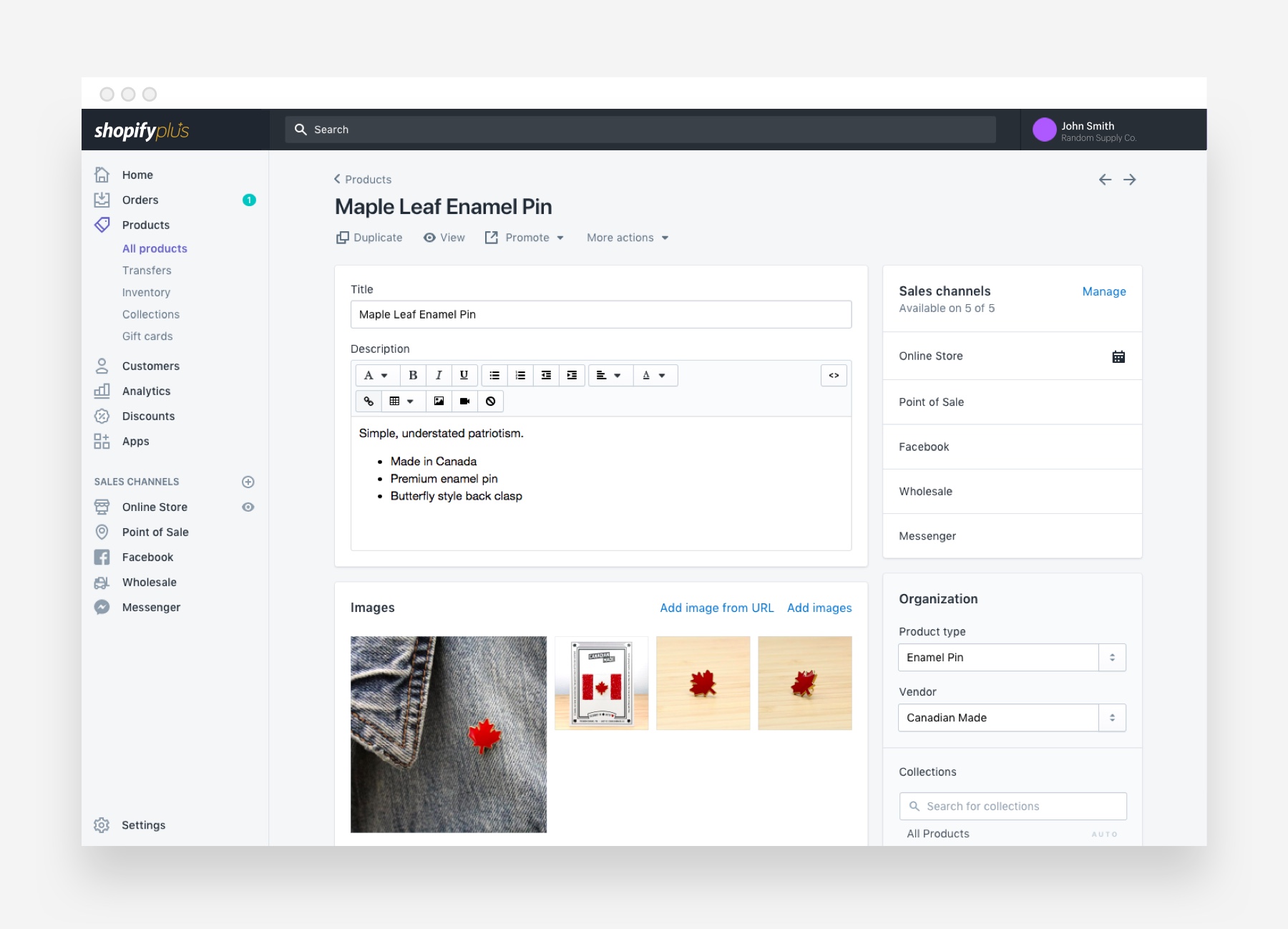  |