
Chloe Sayers
Billing Specialist
Chose Todoist

| Product | Rating | Most Used By | Product Summary | Starting Price |
|---|---|---|---|---|
 Todoist | N/A | Doist, a company boasting an entirely globally distributed workforce, offers Todoist, a project management platform emphasizing the needs of a distributed workforce. The application emphasizes tracking events over time with advanced closed task and progress reporting, with custom graphics for sharing or ease of review. | $8 per month per user | |
 Trello | N/A | Trello from Atlassian is a project management tool based on a Kanban framework. Trello is ideal for task-management in a to-do list format. It supports sharing boards and cards across users or teams. The product offers a free version, and paid versions add greater automation, collaboration, and administrative control. | $6 per month per user | |
 Zenkit | N/A | Zenkit is a collaborative SaaS platform for project management, database building and more. This solution enables users to follow their data through its entire lifecycle. Zenkit allows users to manage their data in any way they need to – build their own CRM, reporting system, or financial planner. Users can share their data and assign tasks to colleagues. | $9 per user |
| Todoist | Trello | Zenkit | ||||||||||||||||||||||
|---|---|---|---|---|---|---|---|---|---|---|---|---|---|---|---|---|---|---|---|---|---|---|---|---|
| Editions & Modules |
|
|
| |||||||||||||||||||||
| Offerings |
| |||||||||||||||||||||||
| Entry-level Setup Fee | No setup fee | No setup fee | $9 per user | |||||||||||||||||||||
| Additional Details | — | A discount is offered for annual billing and for larger numbers of users. | — | |||||||||||||||||||||
| More Pricing Information | ||||||||||||||||||||||||
| Todoist | Trello | Zenkit | |
|---|---|---|---|
| Considered Multiple Products | Todoist Chloe Sayers Billing Specialist Chose Todoist  Benjamin Hale Digital Marketing Analyst Chose Todoist For a pure to do list software, nothing beats Todoist. There are certainly features that Asana, Basecamp and Bitrix bring that Todoist will not do, but they are project management software, not specifically for to do lists. On the other hand, when compared with Wunderlist, Trell…  Adam Moreschi VP of Customer Experience Chose Todoist  Paul Tedder IT Systems Administrator Chose Todoist  Oleksandr Torlo Product R&D Manager Chose Todoist  David Mynář Head Of Online Marketing Chose Todoist Compared to other tools, Todoist offers a stronger focus on completing tasks compared to more complex project systems. We chose a combination of Asana (projects) and Todoist (more detailed task tracking), mutual integration and synchronization works flawlessly. We have …  Vinicius Andrade Designer Chose Todoist I believe that, by the way, I use Todoist, it is more complementary than the ultimate option in the market. I use it every day for the everyday things, it is merely practical and tremendously easy to use, however, I don't think it is the best task manager, but I use it …  Vin Campbell Owner Chose Todoist The primary reason behind my use of ToDoist fell upon the multiple devices syncing and the ease of which to set up a task by using plain English language to set the date/time. When comparing ToDoist to the other solutions I listed above - ToDoist wins on these two items, but …  Quentin Aisbett Digital Strategist Chose Todoist I first used Evernote for a range of tasks and it was great for a while but once new apps and tools emerged, the role of a to-do app in my life became more specific. So I started trialing a few such as Remember the Milk and Google Keep. They do the same job but ultimately it …  Hernán Silva Senior Front-end developer Chose Todoist Todoist offers the best set of features you'll want from a multiplatform task management app that is also free. Can't get better than that. |  Trello  Vince McConville Advisor / Director Chose Trello  Sarah Meerschaert Business Operations Manager Chose Trello Todoist - There's good functionality here but you really need the paid version to get the most out of it. This isn't set up for kanban. Remember the Milk is really for personal lists. Evernote - This is incredibly free form. I loved it at first but honestly, you can just use a …  Nick Butler Trainer and coach Chose Trello Trello is more visual than Todoist and MS To Do. For me, the major advantage of Trello is its functionality around creating Kanban Boards—there is not the same flexibility or options in either of the other two products. I was also able to seek advice from colleagues who were …  Ben Caplan Risk Manager, and Insurance Agent Chose Trello I believe Trello is the winner across the board because of its ease of use, clear visibility of tasks that need to be done, and the ability to add power-up. On top of this, the ability to collaborate is unmatched. If you'd like to add someone to a whole board you can, or to …  Jared DeLong Onboarding & Services Manager Chose Trello monday.com is by far my favorite project management tool out there. It's so powerful, customizable and the reporting is great. Trello works better for us currently because it's free. Asana is okay, but the overall UI is a bit confusing and boring. Airtable is good, but pales in …  Evan Jaffe Sr. Product Designer Chose Trello Trello by far has the easiest interface to use and understand. The 'no-frills' approach compared to other tools makes this a clear winner in the realm of tracking and organizing ideas. Where it lacks in more robust features found in other software, it makes up for in an … | Zenkit Vince McConville Advisor / Director Chose Zenkit  Hoang Lo Co-Founder Chose Zenkit I really like that it's simple, user-friendly, and flexible, because it helps me view my data. You can visualize and customize your tasks. It also has a mind-map view which can be very helpful for planning your project. With the integration with other services like Slack and Tre…  Dr. Marcel Gültig Co-Founder and Managing Director Chose Zenkit As described before, Zenkit adds a lot more flexibility to the things the other applications can do. But this also means that there is no predefined structure which might be helpful for some people. Zenkit is working on that and is releasing some apps building on the core, so … |
| Todoist | Trello | Zenkit | |||||||||||||||||||||||||||||||||||||||||||||||||||||||||||
|---|---|---|---|---|---|---|---|---|---|---|---|---|---|---|---|---|---|---|---|---|---|---|---|---|---|---|---|---|---|---|---|---|---|---|---|---|---|---|---|---|---|---|---|---|---|---|---|---|---|---|---|---|---|---|---|---|---|---|---|---|---|
| Project Management |
| ||||||||||||||||||||||||||||||||||||||||||||||||||||||||||||
| Professional Services Automation |
|
| Todoist | Trello | Zenkit | |
|---|---|---|---|
| Small Businesses |  7shifts Score 9.9 out of 10 |  Stackby Score 8.9 out of 10 | Stackby Score 8.9 out of 10 |
| Medium-sized Companies |  Jotform Score 8.4 out of 10 |  InEight Score 8.3 out of 10 | InEight Score 8.3 out of 10 |
| Enterprises |  TimeCamp Score 7.0 out of 10 | InEight Score 8.3 out of 10 | InEight Score 8.3 out of 10 |
| All Alternatives | View all alternatives | View all alternatives | View all alternatives |
| Todoist | Trello | Zenkit | |
|---|---|---|---|
| Likelihood to Recommend | 8.4 (80 ratings) | 9.4 (222 ratings) | 9.1 (7 ratings) |
| Likelihood to Renew | - (0 ratings) | 10.0 (6 ratings) | - (0 ratings) |
| Usability | 9.0 (9 ratings) | 9.4 (60 ratings) | - (0 ratings) |
| Availability | - (0 ratings) | 10.0 (1 ratings) | - (0 ratings) |
| Performance | - (0 ratings) | 10.0 (1 ratings) | - (0 ratings) |
| Support Rating | 8.6 (31 ratings) | 9.9 (81 ratings) | 8.8 (5 ratings) |
| In-Person Training | - (0 ratings) | 10.0 (1 ratings) | - (0 ratings) |
| Implementation Rating | - (0 ratings) | 8.0 (2 ratings) | - (0 ratings) |
| Configurability | - (0 ratings) | 5.0 (1 ratings) | - (0 ratings) |
| Product Scalability | - (0 ratings) | 10.0 (1 ratings) | - (0 ratings) |
| Vendor post-sale | - (0 ratings) | 10.0 (1 ratings) | - (0 ratings) |
| Todoist | Trello | Zenkit | |
|---|---|---|---|
| Likelihood to Recommend | Doist
| Atlassian
 Ellen Valdez, CMP Event Manager | Axonic Informationssysteme GmbH
|
| Pros | Doist
 Jamie Caroland Independent Consultant | Atlassian
| Axonic Informationssysteme GmbH
Vince McConville Advisor / Director |
| Cons | Doist
| Atlassian
Nick Butler Trainer and coach | Axonic Informationssysteme GmbH
Hoang Lo Co-Founder |
| Likelihood to Renew | Doist No answers on this topic | Atlassian
 Sahr Saffa CXO | Axonic Informationssysteme GmbH No answers on this topic |
| Usability | Doist
| Atlassian
| Axonic Informationssysteme GmbH No answers on this topic |
| Reliability and Availability | Doist No answers on this topic | Atlassian
| Axonic Informationssysteme GmbH No answers on this topic |
| Performance | Doist No answers on this topic | Atlassian
| Axonic Informationssysteme GmbH No answers on this topic |
| Support Rating | Doist
 Amber Callan Inbound Marketing Strategist | Atlassian
Jared DeLong Onboarding & Services Manager | Axonic Informationssysteme GmbH
|
| In-Person Training | Doist No answers on this topic | Atlassian
| Axonic Informationssysteme GmbH No answers on this topic |
| Implementation Rating | Doist No answers on this topic | Atlassian
 Raylene Wall Owner | Axonic Informationssysteme GmbH No answers on this topic |
| Alternatives Considered | Doist
| Atlassian
 Courtney Wolf Founder | Axonic Informationssysteme GmbH
Dr. Marcel Gültig Co-Founder and Managing Director |
| Scalability | Doist No answers on this topic | Atlassian
| Axonic Informationssysteme GmbH No answers on this topic |
| Professional Services | Doist No answers on this topic | Atlassian
| Axonic Informationssysteme GmbH No answers on this topic |
| Return on Investment | Doist
 Shane Murphy Manager, Field Services Group | Atlassian
| Axonic Informationssysteme GmbH
Vince McConville Advisor / Director |
| ScreenShots | Todoist Screenshots      | Zenkit Screenshots 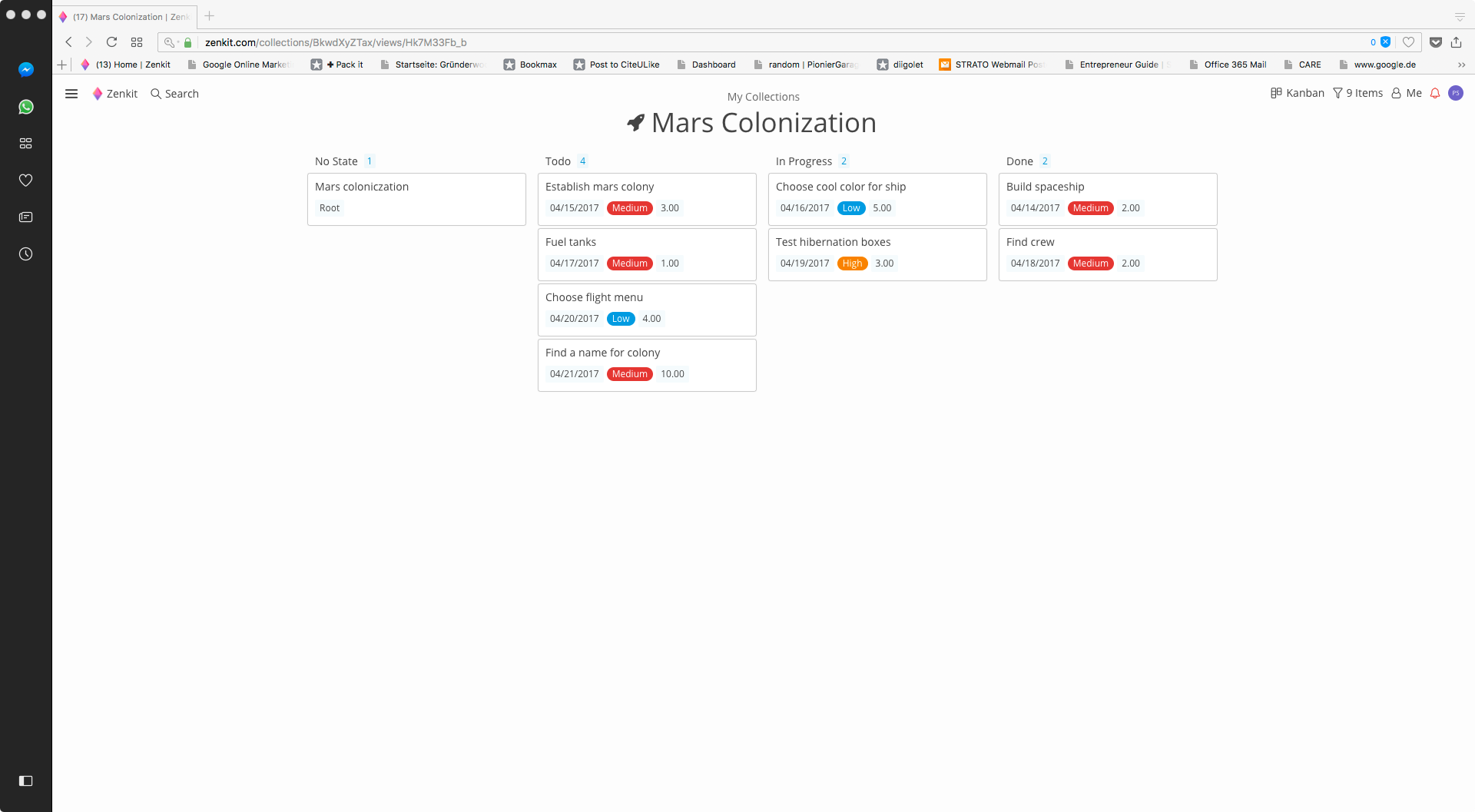 |