
Julia Romanchenko
Digital Marketing
Chose ActiveCollab
ActiveCollab has fewer functions than Wrike and a simpler interface, but generally, the team collaboration purpose is fulfilled.

| Product | Rating | Most Used By | Product Summary | Starting Price |
|---|---|---|---|---|
 ActiveCollab | N/A | Active Collab is a project management solution built around features such as task management, collaboration, time tracking, and invoicing. | $8 per member/per month | |
 CoConstruct | N/A | CoConstruct, from Buildertrend since the November 2021 acquisition, is a custom builder & remodeler software. It allows users to enter data once and have that information flow through the estimate, specs, selections, bids, proposals, change orders, and budgets, including to and from QuickBooks. In addition, CoConstruct includes scheduling and 3-way communication between builder, client, and trade partners. Everything is captured via email and texting. Login isn't required for… | $49 per month | |
 Wrike | Mid-Size Companies (51-1,000 employees) | Wrike is a project management and collaboration software. This solution connects tasks, discussions, and emails to the user’s project plan. Wrike is optimized for agile workflows and aims to help resolve data silos, poor visibility into work status, and missed deadlines and project failures. | $240 per year 2 users (minimum) |
| ActiveCollab | CoConstruct | Wrike | ||||||||||||||||||||||
|---|---|---|---|---|---|---|---|---|---|---|---|---|---|---|---|---|---|---|---|---|---|---|---|---|
| Editions & Modules |
|
|
| |||||||||||||||||||||
| Offerings |
| |||||||||||||||||||||||
| Entry-level Setup Fee | $6.25 per member, per month, annual billing | No setup fee | No setup fee | |||||||||||||||||||||
| Additional Details | — | CoConstruct pricing is based on active job sites that have client access online, which means it is adaptable to builders & remodelers businesses. This means that there are an unlimited amount of projects available for estimates and proposals, so that customers only pay when they win a contract. Also built into the pricing are a myriad of services: a dedicated implementation coach, free estimate & scheduling templates based on industry best practices from successful builders and the NAHB, unlimited storage and users, software branded with the customer's logo, unlimited amount of warranty projects, and unlimited phone & email support. The vendor offers a money-back guarantee that is good for the first 90 days of service. | Every premium plan begins with a 14-day trial period. | |||||||||||||||||||||
| More Pricing Information | ||||||||||||||||||||||||
| ActiveCollab | CoConstruct | Wrike | |
|---|---|---|---|
| Considered Multiple Products |  ActiveCollab Julia Romanchenko Digital Marketing Chose ActiveCollab ActiveCollab has fewer functions than Wrike and a simpler interface, but generally, the team collaboration purpose is fulfilled.  Chris Lesner Founder & CEO Chose ActiveCollab ActiveCollab is 100% better than any of the other tools we have used. We had previously spent thousands of dollars trying out different software that was comparable, but this has been one of the best decisions we have made as a company. It's also the cheapest ongoing option, … | CoConstruct No answer on this topic |  Wrike |
| ActiveCollab | CoConstruct | Wrike | |||||||||||||||||||||||||||||||||||||||||||||||||||||||||||
|---|---|---|---|---|---|---|---|---|---|---|---|---|---|---|---|---|---|---|---|---|---|---|---|---|---|---|---|---|---|---|---|---|---|---|---|---|---|---|---|---|---|---|---|---|---|---|---|---|---|---|---|---|---|---|---|---|---|---|---|---|---|
| Project Management |
| ||||||||||||||||||||||||||||||||||||||||||||||||||||||||||||
| Professional Services Automation |
|
| ActiveCollab | CoConstruct | Wrike | |
|---|---|---|---|
| Small Businesses |  Stackby Score 8.9 out of 10 |  Procore Score 8.7 out of 10 | Stackby Score 8.9 out of 10 |
| Medium-sized Companies |  InEight Score 8.4 out of 10 | Procore Score 8.7 out of 10 | InEight Score 8.4 out of 10 |
| Enterprises | InEight Score 8.4 out of 10 |  Oracle Aconex Score 7.0 out of 10 | InEight Score 8.4 out of 10 |
| All Alternatives | View all alternatives | View all alternatives | View all alternatives |
| ActiveCollab | CoConstruct | Wrike | |
|---|---|---|---|
| Likelihood to Recommend | 1.6 (13 ratings) | 8.0 (14 ratings) | 8.5 (888 ratings) |
| Likelihood to Renew | - (0 ratings) | - (0 ratings) | 8.5 (103 ratings) |
| Usability | - (0 ratings) | - (0 ratings) | 8.2 (225 ratings) |
| Availability | - (0 ratings) | - (0 ratings) | 7.9 (23 ratings) |
| Performance | - (0 ratings) | - (0 ratings) | 6.4 (20 ratings) |
| Support Rating | 7.1 (3 ratings) | 9.8 (10 ratings) | 7.5 (90 ratings) |
| In-Person Training | - (0 ratings) | - (0 ratings) | 8.2 (5 ratings) |
| Online Training | - (0 ratings) | - (0 ratings) | 8.2 (13 ratings) |
| Implementation Rating | - (0 ratings) | - (0 ratings) | 7.7 (32 ratings) |
| Configurability | - (0 ratings) | - (0 ratings) | 8.3 (12 ratings) |
| Contract Terms and Pricing Model | - (0 ratings) | - (0 ratings) | 7.3 (4 ratings) |
| Ease of integration | - (0 ratings) | - (0 ratings) | 6.9 (7 ratings) |
| Product Scalability | - (0 ratings) | - (0 ratings) | 8.0 (14 ratings) |
| Professional Services | - (0 ratings) | - (0 ratings) | 6.8 (3 ratings) |
| Vendor post-sale | - (0 ratings) | - (0 ratings) | 9.0 (7 ratings) |
| Vendor pre-sale | - (0 ratings) | - (0 ratings) | 6.7 (8 ratings) |
| ActiveCollab | CoConstruct | Wrike | |
|---|---|---|---|
| Likelihood to Recommend | ActiveCollab
 Sourav Singla ,Safe Agilist, CSP, ICP-ACC, CSM, CSPO, SSM, LSSG Enterprise Agile Coach | Buildertrend
| Wrike
|
| Pros | ActiveCollab
 Jorden Beatty Digital Marketing Director | Buildertrend
| Wrike
|
| Cons | ActiveCollab
| Buildertrend
 Alison McLennan Co-Owner | Wrike
 Alicia Stacy Account Executive |
| Likelihood to Renew | ActiveCollab No answers on this topic | Buildertrend No answers on this topic | Wrike
|
| Usability | ActiveCollab No answers on this topic | Buildertrend No answers on this topic | Wrike
 Alysen Boston Content marketing writer |
| Reliability and Availability | ActiveCollab No answers on this topic | Buildertrend No answers on this topic | Wrike
 Cristi Radulian Senior Design Engineer |
| Performance | ActiveCollab No answers on this topic | Buildertrend No answers on this topic | Wrike
 Mark Ferrer Senior Web Developer |
| Support Rating | ActiveCollab
| Buildertrend
| Wrike
|
| In-Person Training | ActiveCollab No answers on this topic | Buildertrend No answers on this topic | Wrike
 Ashley Pauls Assistant director of communications |
| Online Training | ActiveCollab No answers on this topic | Buildertrend No answers on this topic | Wrike
|
| Implementation Rating | ActiveCollab No answers on this topic | Buildertrend No answers on this topic | Wrike
|
| Alternatives Considered | ActiveCollab
 Mike Muller Executive Vice President | Buildertrend
| Wrike
|
| Contract Terms and Pricing Model | ActiveCollab No answers on this topic | Buildertrend No answers on this topic | Wrike
 Nuha Abdi Learner engagement |
| Scalability | ActiveCollab No answers on this topic | Buildertrend No answers on this topic | Wrike
 Michael Fank Quality Manager |
| Professional Services | ActiveCollab No answers on this topic | Buildertrend No answers on this topic | Wrike
|
| Return on Investment | ActiveCollab
 Ali Zakeri Data Analyst | SEO Specialist | Buildertrend
| Wrike
|
| ScreenShots | ActiveCollab Screenshots 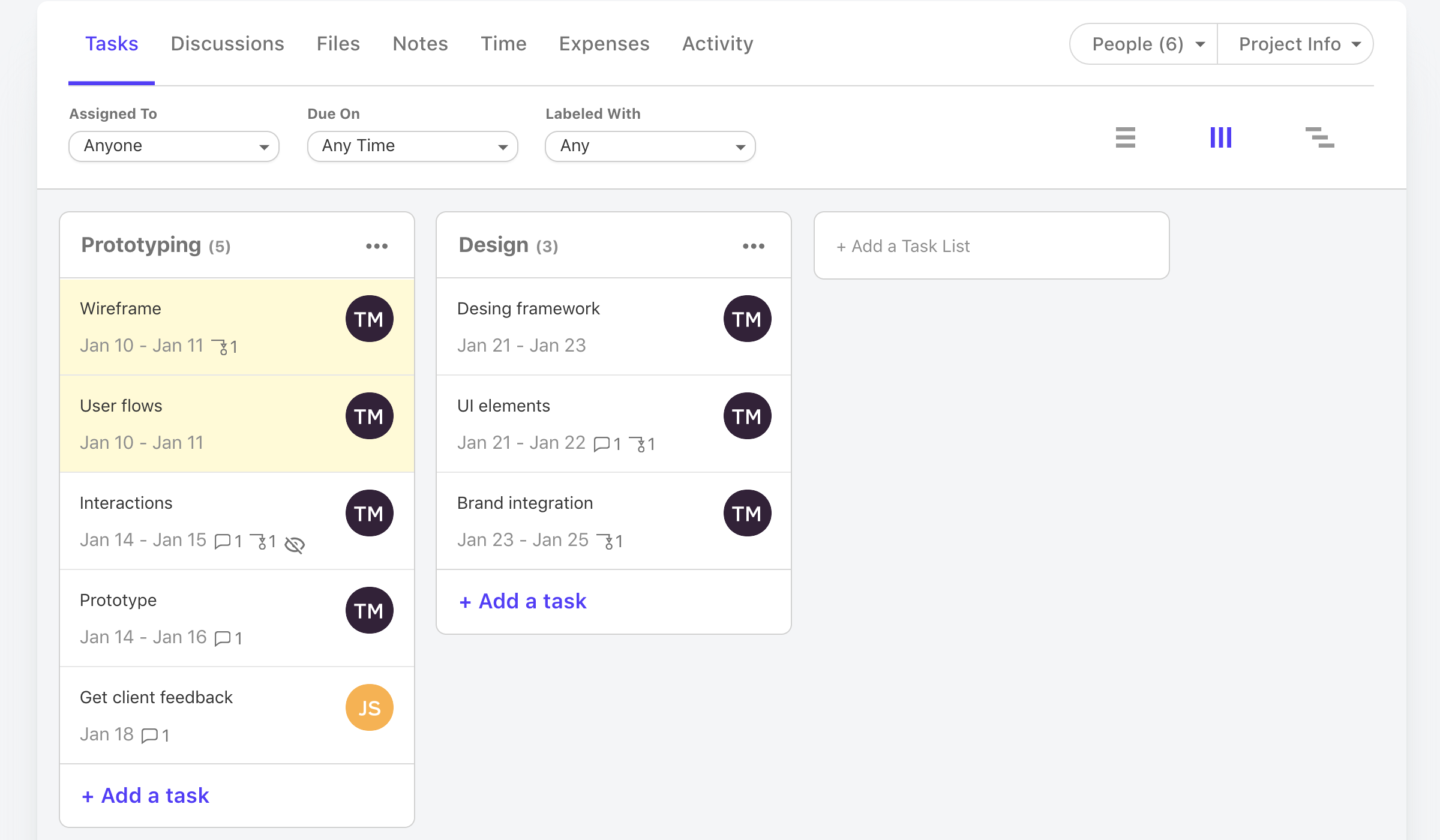   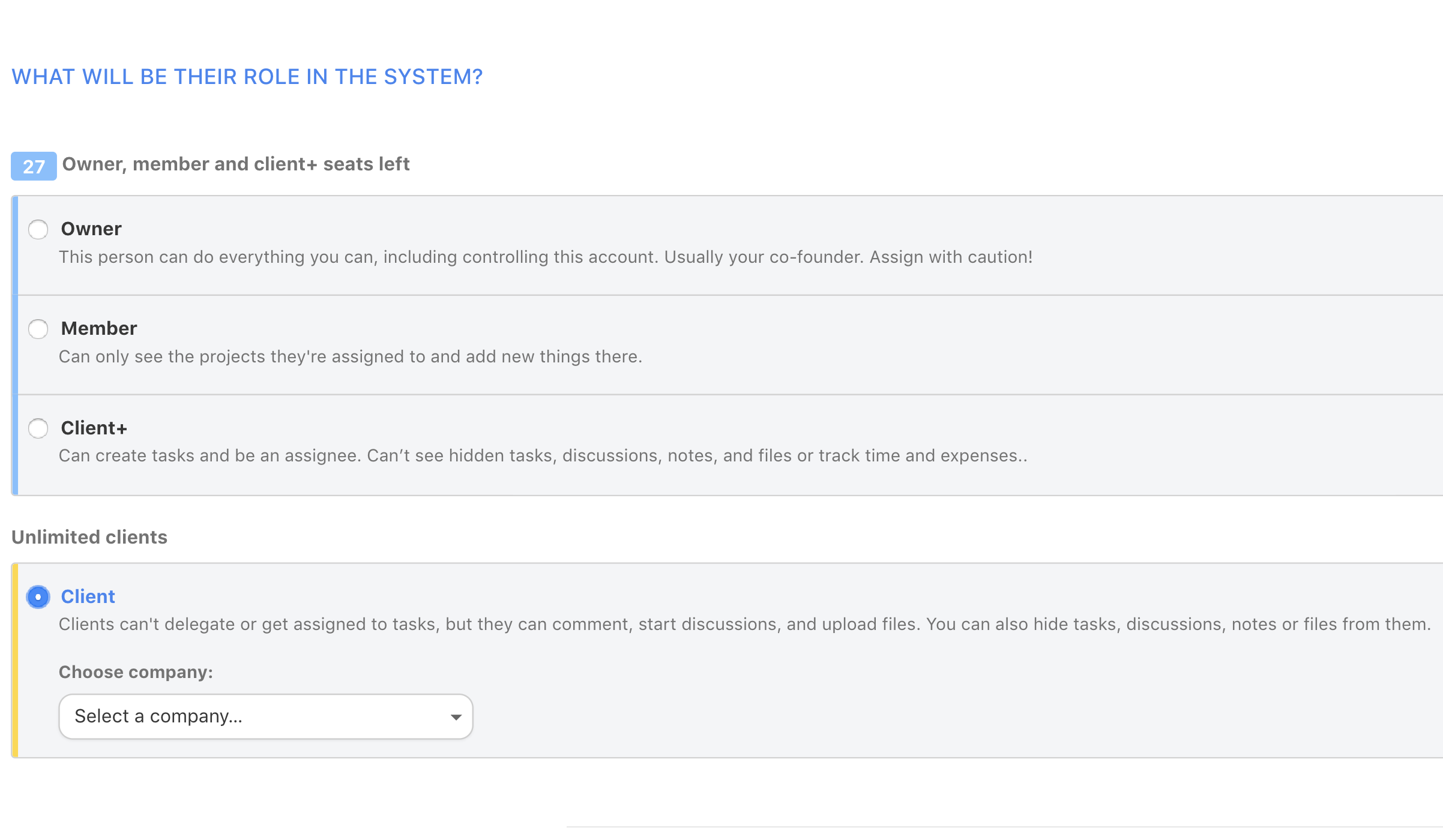  | CoConstruct Screenshots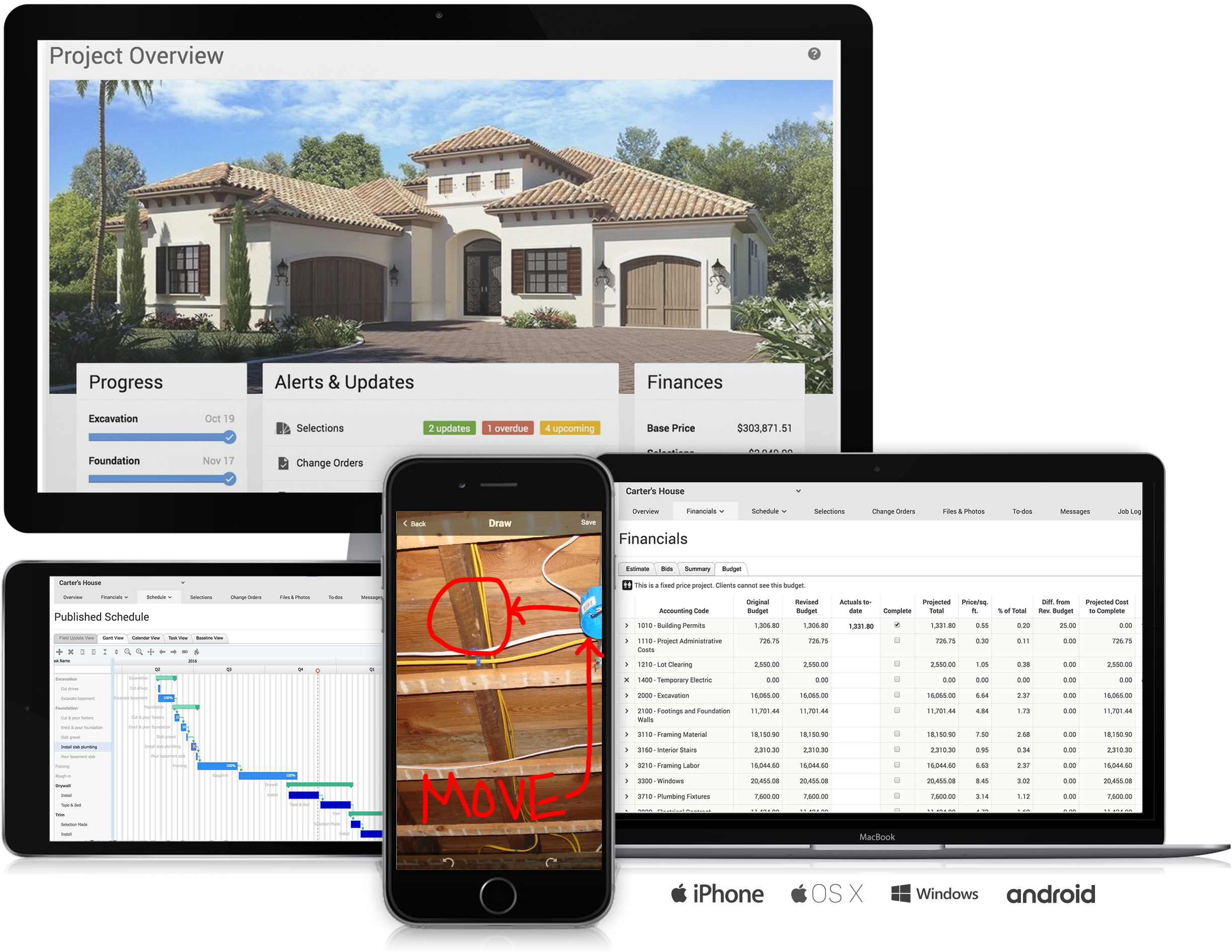 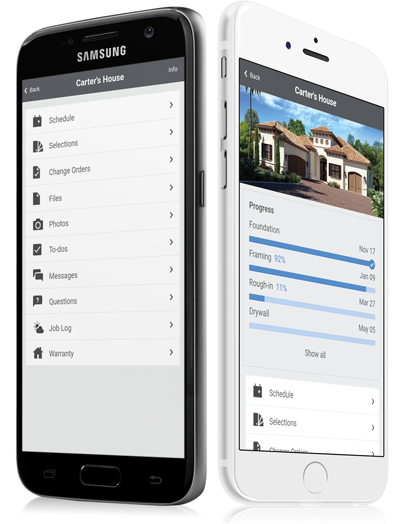     | Wrike Screenshots      |