TrustRadius: an HG Insights company

SAP Integrated Product Development

Score8.9 out of 10

45 Reviews and Ratings

What is SAP Integrated Product Development?

SAP Integrated Product Development is a product lifecycle management solution used to define, develop, and deliver innovative and sustainable products faster by connecting insights, processes, and people.

Media

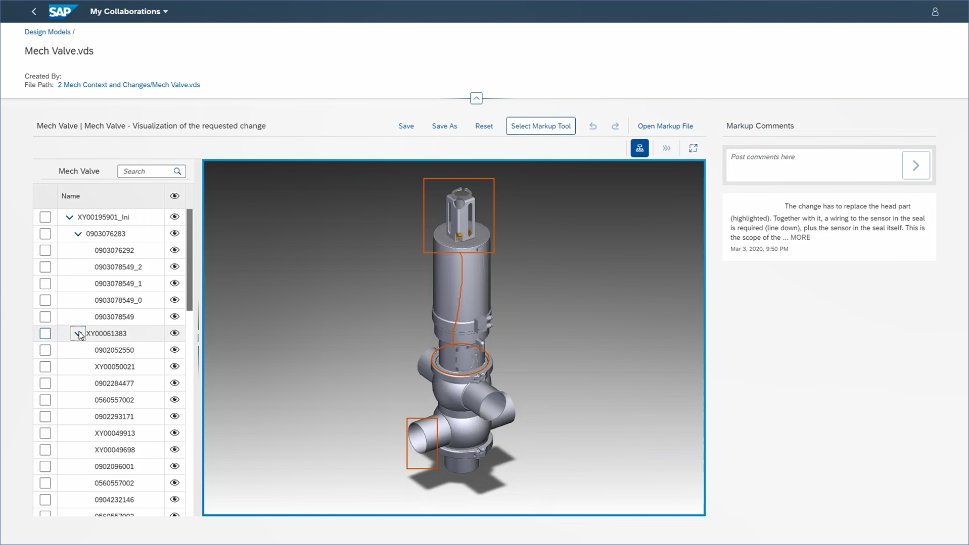
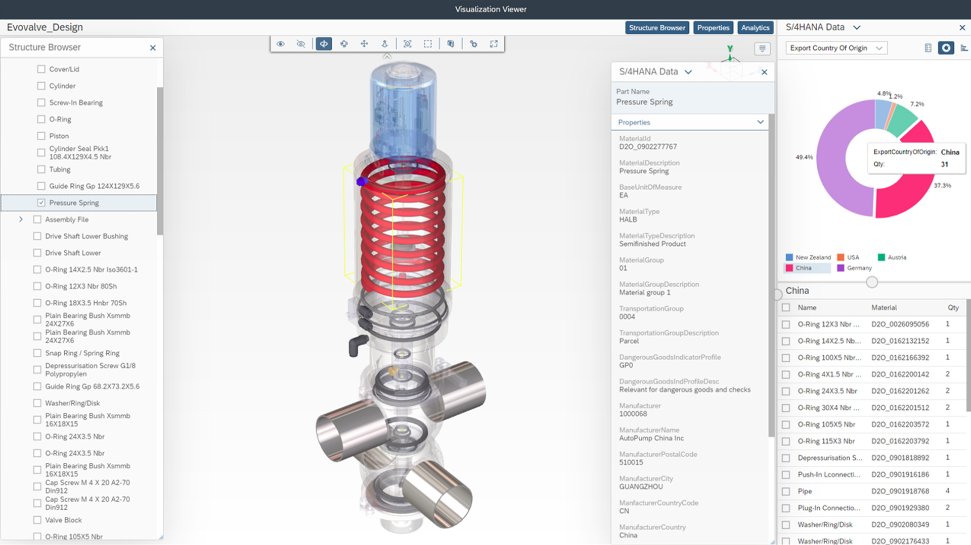
collaboration capabilities.
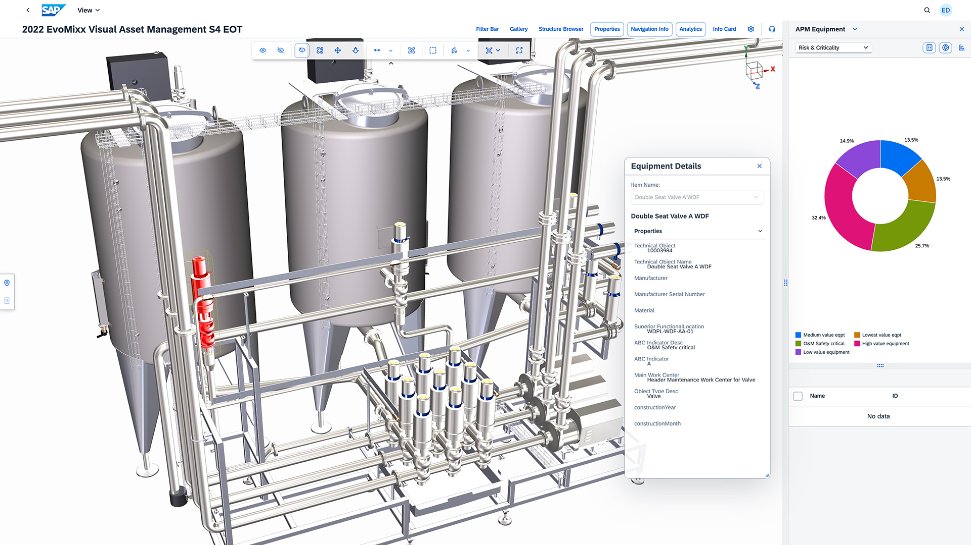
product and asset visualization.
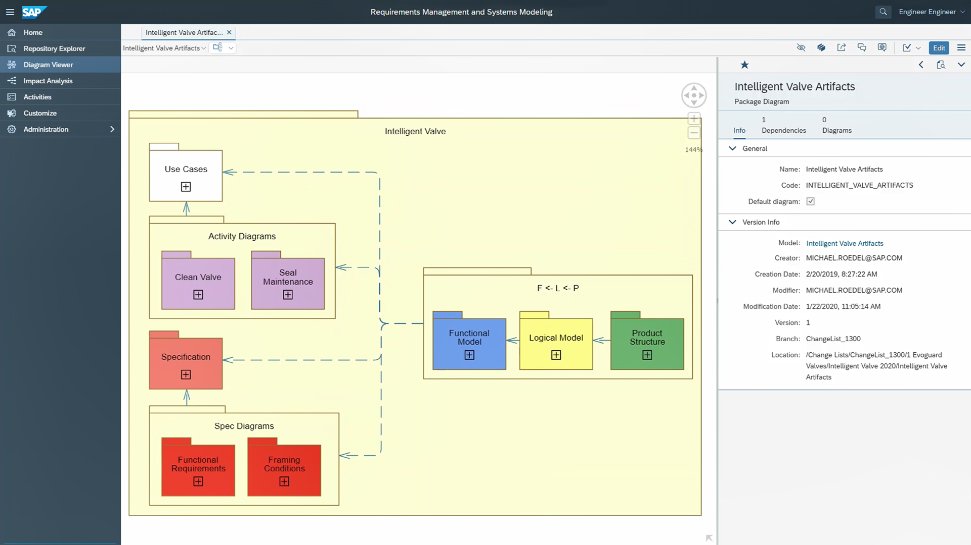
engineering and requirements management.
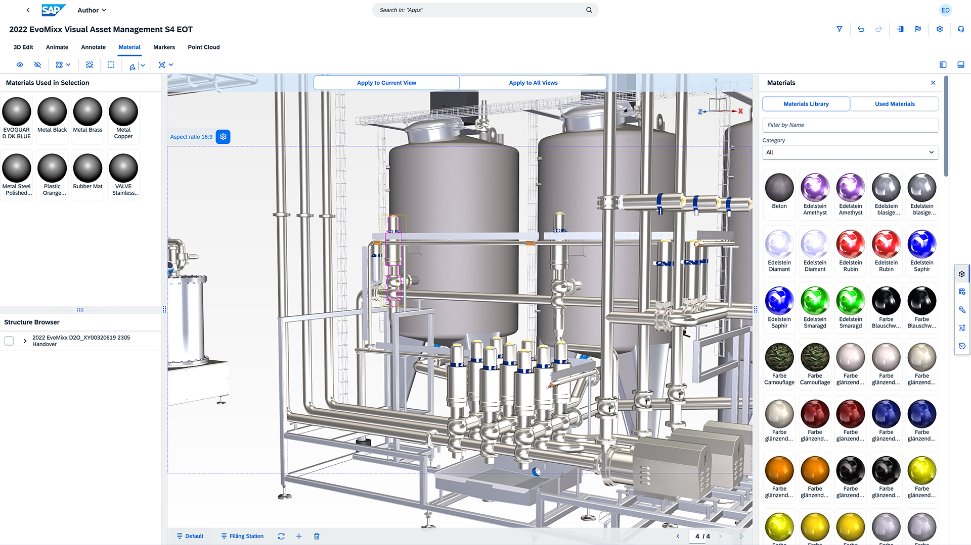
the visual data integration to support design.
visualization capabilities.

1 / 5

SAP IDP Professional Product Review.

Use Cases and Deployment Scope

For a professional in the SAP ecosystem, it is helpful to view SAP IPD not just as a tool, but as a BTP-based orchestration layer that bridges the gap between engineering (PLM) and the core digital core (S/4HANA).

Pros

  • Unified Source of Single Truth.
  • Real time collaboration with external partners.
  • Sustainability.

Cons

  • UI consistently.
  • Massive datasets.
  • Integration of Non Ecosystem.

Return on Investment

  • Revised time to market.
  • Lower compliance cost.
  • Supply chain resilience.

Usability

Alternatives Considered

SAP Analytics Cloud

Other Software Used

SAP HANA Cloud, 360 Business Tool, PDFRun

SAP IPD Collaboration Overview

Use Cases and Deployment Scope

As SAP market about IPD, this is used for digitalization of design and approval of products into production line. As a techno-functional, i see this more useful in integrations, data simplification such as Material, Bill of material Class/Characteristics. It has also linearized the document viewing and updating for Materials. The tedious work to navigate to more specific directories are reduced.

Pros

  • IPD has integrated with Ariba well, it enables suppliers to access collaborations where details are shared regarding Material Quotation, Planned proposals, Information of material. This can be used for Ariba sourcing into ERP or MDG system for Materials (Products).
  • The documents are managed well using IPD storage type offered. As this is directly integrated to SAP, its easy for checking records, finding duplicates, syncing back data or pointers according.
  • One think i was impressed is with integration of MS teams. This comes as part of My Collaborations, which helps us to organize, communicate effectively. Reduces dependency on manual documents to be attached.

Cons

  • Toggling between FIORI and IPD interface is bit slow and at times its confusing for end users. Need some more simplification there.
  • Setting up external sub account with BTP is but fussy, needs some streamlined process there. Like example SOA setup, much more easy to use for setting up between two systems.
  • For end users at times it feels more complex to navigate and use the application. As uploading a drawing or confirming on specification needs some additional info.

Return on Investment

  • The negative curve is integrating this to BTP or using Integration Suite provided by SAP. It costs more for the subscription model and compared to alternative tools, this would be not that great option in that.
  • The positive point for us is during data accumulation for documentation of materials. Which is more secured, verified and through Joule, its easy to navigate and get the details out.
  • The another point i have seen as a value addition in the team is - the reduction is manual errors, defining the specifications before hand, changing them based on new design or compliance is much easier than before. Uploading new designs is made easy with upload/download facilities.

Usability

Alternatives Considered

Oracle Fusion Cloud PLM

Other Software Used

SAP Ariba, SAP Master Data Governance, SAP Business Technology Platform

SAP IPD in end user thinking

Use Cases and Deployment Scope

The IPD is new implementation done, what i can see as business resolution mainly in reducing the manual data entry and errors caused due to it during product/material creation. Also, requirements management for product/materials would be digitalized (Cloud based solution) more through the new updated tool, which also integrated to PLM, BTP for technical/process solutions.

Pros

  • Integration of Joule in IPD - this feature helps us get more insight on product/material documents as a end user. The summarization and questions asked on product/material is well articulated. Reduces time to browse through search results or directory where the documents are maintained.
  • Connections to services provided in IPD is through only HTTPS channel, which is more secured compared to HTTP. Also authorization/authentication checks, adds more value.
  • As part of product data integration through BTP, the API call from Ariba to BTP allows end users to upload/download files. (Necessary authorizations to be in place based on roles)

Cons

  • As part of product data integration through BTP, the API call from Ariba to BTP allows end users to upload/download files. In this case user can update and send unformatted data or wrong data. If the tool can reject before uploading the wrong data by verifying it by creating a standard, it would be added value, which is not present currently.
  • User interface is bit complex to navigate and use. It should be made more user friendly and easy to understand
  • Integration with third party non SAP system if bit difficult and requires more custom solutioning. This should be fixed by providing more Standard APIs based on industry requirements by SAP.
  • The concept is Single source of truth for IPD to use, but when we integrate with third party with non SAP, this syncing of data becomes harder as well.

Return on Investment

  • The product lifecycle is digitalized as said by SAP. As a user it reduces errors, increase data efficiency and provides cloud based solutions in the evolving market.
  • Productivity therefore increase due to reduction in time, like searching documents and updating is made easy, Joule integrated within helps to provide prompts and shares path to navigate easily, etc.
  • Integration to third party needs more customization, this needs to be improved overtime by SAP.
  • The solution works for large scale SCM companies and for smaller ones or specific to country, this would be a costly solution.

Usability

Alternatives Considered

Informatica Cloud API & App Integration

Other Software Used

SAP Ariba, MuleSoft Anypoint Platform, SAP Business Technology Platform

There is only one Product Development Software worth your while and this is ...

Use Cases and Deployment Scope

SAP Integrated Product Development is our new way to develop products starting from from product design up to the operation and the consumption. It has helped us save time and costs in the whole process and has helped is get the best results in a fully digitalized process of product development.

Pros

  • The version control feature helps eliminate confusion of parallel development from other groups
  • SAP Integrated Product Development helps tear down walls between different groups like engineering, quality testing and marketing bringing out the maximum efficiency and cooperation where all involved groups work coordinated as one single team.
  • The ability to centrally maintain requirements, designs, documentation, and change requests improves traceability and speeds searches for any of those. Decision-making is also made simpler and faster!

Cons

  • It all feels complicated at first and one can feel lost. It would help if more guides were available to make the first steps easier.
  • Sometimes the workflows are fragmented and one needs to navigate around a lot to achieve the desired outcome
  • Managing changes and integrations is really time demanding. This is a potential to simplify the process

Return on Investment

  • In the past finding the actual information (specifications, documentations etc) about any product was a real challenge. Everyone had their own version that had slightly changed! So no one had all the information and some of it also got lost as the next revision did not include some of those changes! This is no longer the case! Now everyone knows where to find what and it is all saved in the single point where it should!
  • It was always a challenge to get the different groups be efficient and not to work in parallel! Now finally they all work as one integrated team all together!

Usability

Alternatives Considered

Teamcenter

Other Software Used

Microsoft Power BI, WatchGuard Network Security, WatchGuard Firebox Cloud, Watchguard Endpoint Security

How SAP Transforms Product Data Management.

Use Cases and Deployment Scope

I use SAP Integrated Product Development to centralize product data and collaborate with our data engineering and account managers. I use it to extract structured data for my reports and dashboards. I also use it to find outliers and gaps in documentation. The scope of this tool is to integrate it with a BI tool to improve decision-making and forecasting.

Pros

  • It ensures that documentation is completed efficiently and that team collaboration is improved.
  • It has great integration capabilities, so it has integrated well with our BI and ERP tool.
  • It also helped in taking better decision making.

Cons

  • Integration with non-SAP tools can be difficult.
  • Customization option is less and has restrictions while creating workflows.
  • The user interface can be overwhelming for a new user, as it is not very intuitive and often requires hard training.

Return on Investment

  • It has advanced reporting capabilities, and its analytical features have enabled efficient decision-making, improving overall productivity.
  • The centralized data management system has helped improve efficiency and reduce errors.
  • I would say overall, it has reduced our manual effort by at least 20%, which has enhanced the resource utilization.

Usability

Other Software Used

Qlik Automate, Qlik Cloud Analytics (Qlik Sense), Microsoft 365 Copilot, Microsoft Azure, Azure AI Bot Service