Adobe Experience Manager is a combined web content management system and digital asset management system. The combined applications of Adobe Experience Manager Sites and Adobe Experience Manager Assets is offered by the vendor as an end-to-end solution for managing and delivering marketing content.
N/A
Contentful
Score 7.5 out of 10
N/A
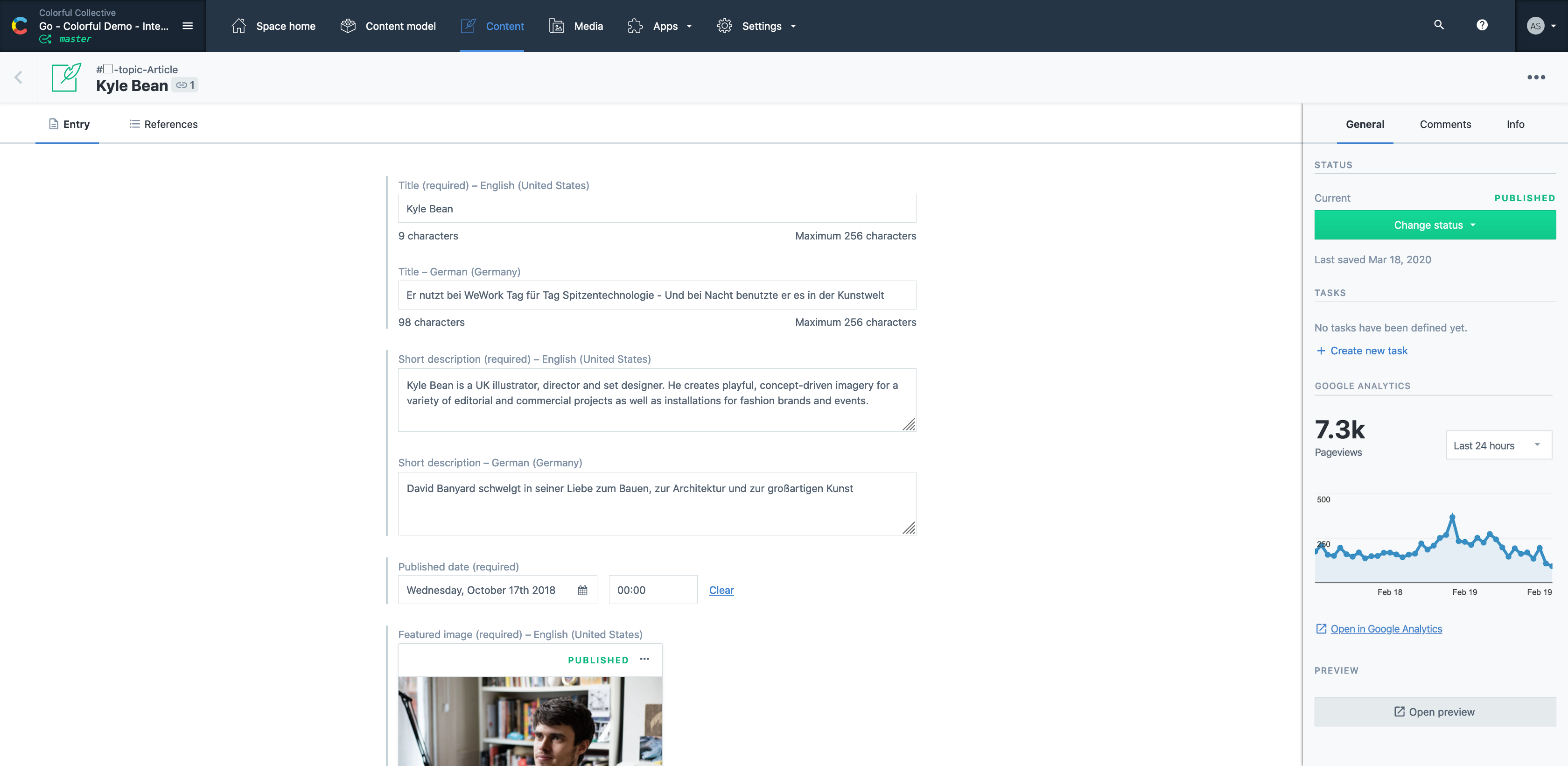
Contentful is a cloud based CMS solution that provides the ability to manage content across multiple platforms.The editing interface allows for managing content interactively and provides developers the ability to deliver the content with the programming language and template framework of their choice.
$0
Ion Interactive
Score 8.0 out of 10
Enterprise companies (1,001+ employees)
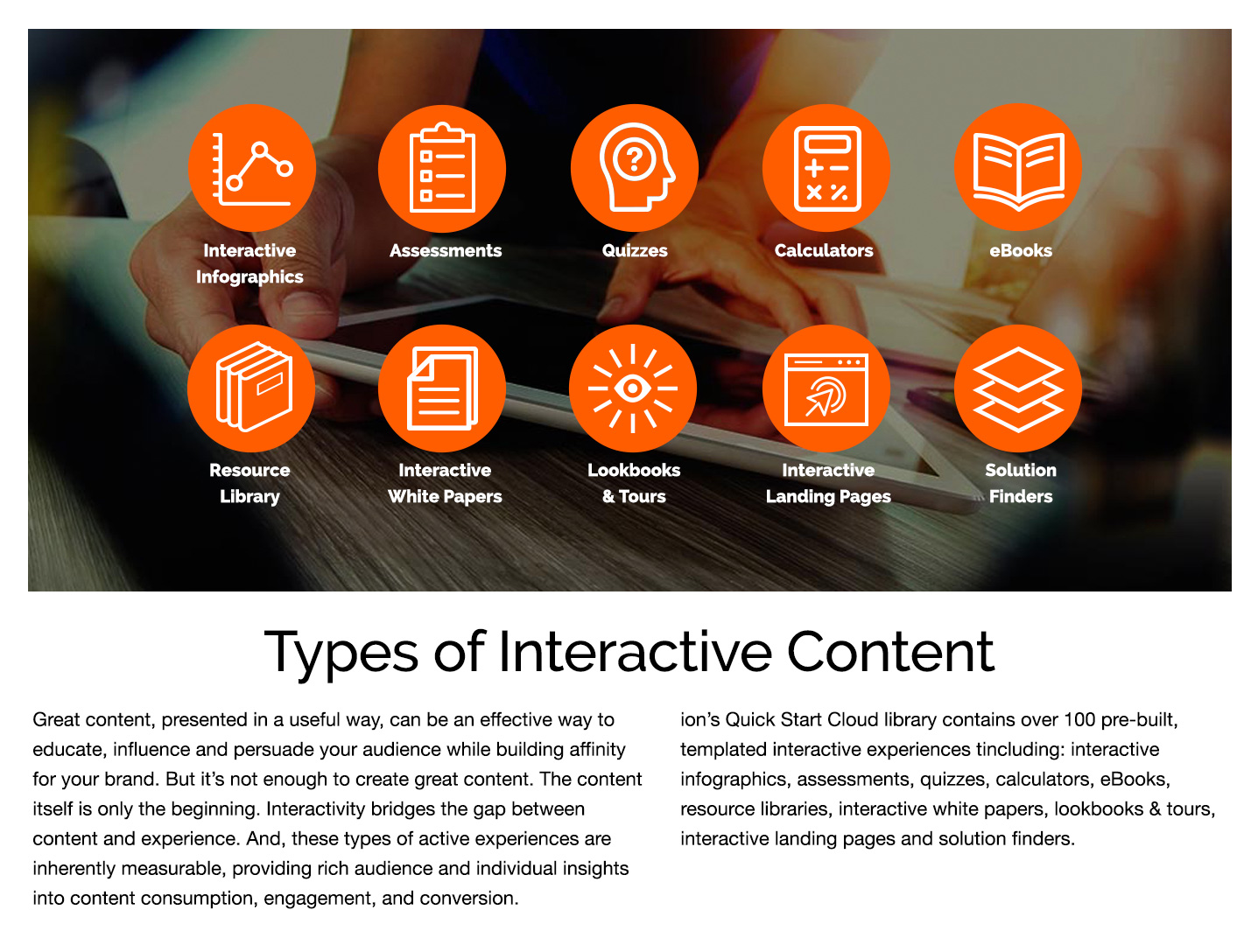
Ion is an enterprise-grade content experience platform that empowers modern marketers and designers to create no-code interactive content experiences integrated with their CRM or marketing automation tools.
N/A
Pricing
Adobe Experience Manager
Contentful
Ion Interactive
Editions & Modules
No answers on this topic
Lite
$300
per month
Community
Free
Enterprise
Custom
Managed Services + SaaS
Custom
per year
Offerings
Pricing Offerings
Adobe Experience Manager
Contentful
Ion Interactive
Free Trial
No
Yes
No
Free/Freemium Version
No
Yes
No
Premium Consulting/Integration Services
No
Yes
Yes
Entry-level Setup Fee
No setup fee
Optional
$5,500 per customer
Additional Details
—
—
ion’s Build Anything SaaS platform provides organizations with an entirely new and agile interactive content marketing capability. It enables non-technical marketers and designers to create, test and measure an unlimited number of all types of interactive content marketing experiences. It includes unlimited seats, experiences, tests, customization, phone and email support, analytics and more.
First of all, I would say the technological advancement it has. AEM consists of a comprehensive web content management system, including more marketing-friendly site templates, easy-to-use developer tools, and AI-powered content generation tools for [a] better customer …
Compared to Adobe's products, I prefer ion. However, Optimizely is slightly more intuitive to use than ion, but the value comes in big savings over Optimizely's prices.
Currently our business uses both ION and Adobe CQ. I much, MUCH prefer ION. ION is far more intuitive. It is much easier to navigate. The learning curve is much shorter in ION.
I'll answer the second one because I mean, the first one I don't have an issue with. The second scenario is we oftentimes have the need to spin off very small campaign style sites or sites that generate leads but are unbranded and that sort of thing. So that's hard to do in AEM because you have to then create another organization within AEM to do that. And we're talking about sites that are maybe five to 10 pages in size. So we've been investigating Edge, but then that's a different workflow, so we'd have to train people on that. So it would be nice if there was something within the AEM structure that could allow you to do something very similar to Edge, where you make some small micro sites that are not necessarily branded, that you could still host within the platform and not have to retrain everybody on a completely different platform.
It's a great all rounder for content projects. It's easy in the basics and powerful in the complex, data heavy scenarios. Extending the platform is straightforward and the SDK gives you everything you need. If you have many many varying content types , it gets expensive and perhaps not the best choice .
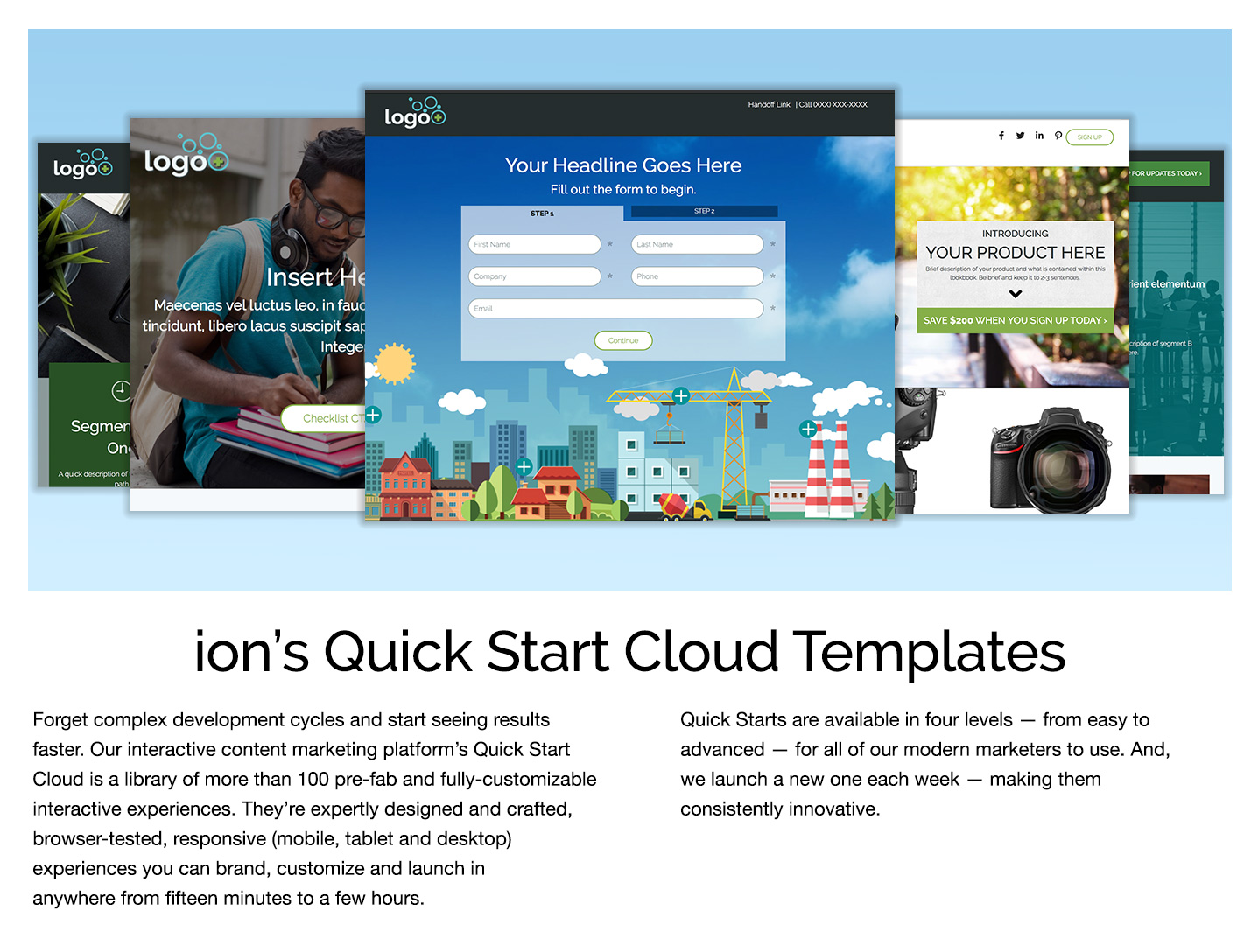
If you want to choose a quick start template and fill in the fields with your content, Ion will be fantastic for you. We've done this with whitepapers and quizzes and it's been great and extremely easy to use. If you have an exact idea of what you want, and a background in web development, you may get frustrated. Ion has some quirks that make it tricky to fully customize - everyone once in a while I really just want to go into the HTML and make some changes, but can't. If you are looking to reuse a piece of content for specific targeting (industry or account-specific), Ion is great. The dynamic substitutions are great and very helpful.
It allows us to scale so that we can make a change on a global footer. And it applies to all of the different property websites. It allows us to set up components and compartmentalize things in a way. The big thing is that it's scalable. And then it also ties into Adobe Analytics and other Adobe products. So we are a complete Adobe shop. Every Adobe product that we can use, we use. I don't think we do it for marketing so much, but for doing target testing and analytics, data scientists are using the same product and so it all speaks.
Can sometimes be difficult to troubleshoot bugs/issues as they arise
Sometimes difficult to set up restrictions on how components can be designed to make sure they fit in with existing content
While the integration with Adobe target works fairly well, the process can be a bit opaque and hard to understand, making it difficult to troubleshoot when issues arise
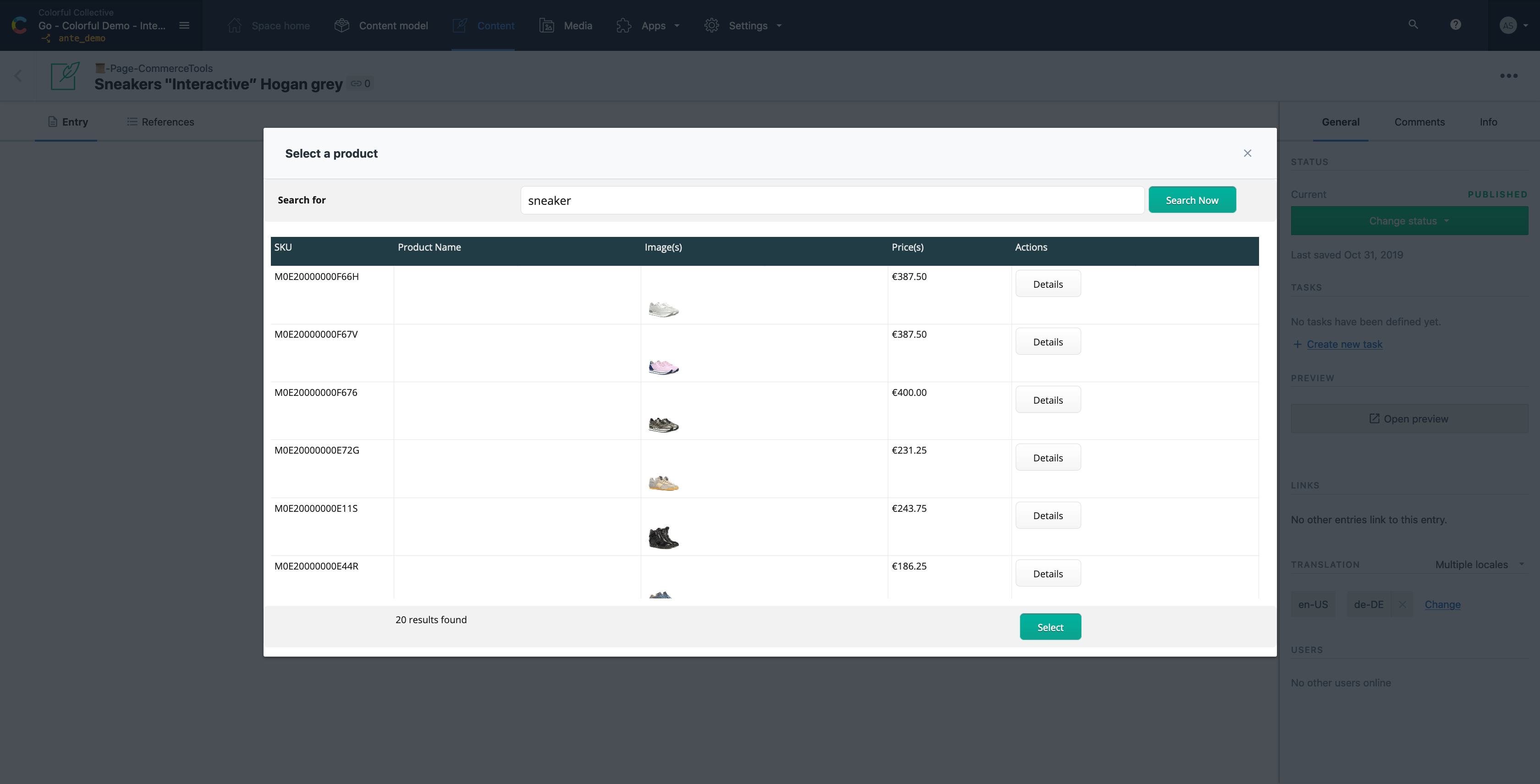
Contentful uses "references" to allow you to build very modular content. If I have a "slider" content type, I can create a "slide" content type which references a "button" content type, and so forth. This works well, but I occasionally wish there was a better solution for one-off content, like a settings page. Currently, this is done for creating an entire content type called "settings" with a single entry. Not a big deal, but not ideal, either.
There are a few quirks with GatsbyJS integration, etc, but these issues are being fixed and improved upon very quickly.
A minor gripe, but Contentful does not have a way to organize fields within an entry. Entries with many fields are somewhat tiresome to scroll through.
Ion University, while stacked with a wealth of information, is difficult to navigate from a troubleshooting perspective. The tutorial videos are all very helpful, but they are also very long. Sometimes I would want to search for how to address a particular issue I was struggling with and it would be a two-minute segment buried in a 45-minute video.
Again, getting back the self-guidance side of things. I think a lot of the tutorials are set up in a way that makes sense to Ion, but not as much to the end user.
I think the controls admins use when creating new users could be a bit more straightforward.
We had and still have a fantastic experience using Adobe CQ. Lots of flexibility, great integration with other Adobe products we already use and a powerful technology make it a great fit for our corporate environment. Also as the community grows, it makes it easier to network with other developers and users to get new ideas on how to continue to get the best out of the software.
We use it for every landing page and we plan on only doing more dynamic content creation. We dont see that option coming in-house any time ever in the future. ION has a very robust platform for us to work with that really allows us to do more for our customers in regards to having the one-to-one conversation.
It depends if it is from an administrator point of view or from a business content author point of view. I think from business author point of view the solution is good and with the GEN AI capabilities coming it is doing better and better, however from an administration point of view there are still a lot of improvements to ease the maintenance of user access management and as well as the integration configuration aspect.
It is a very easy to use and configure application. I find that it is on the user to manage the content after the models have been created, yet I still do not encounter issues finding or creating new components for our site. It is easy to set up and easy to navigate.
Usability is straightforward, with extensive documentation and tutorials provided to ensure landing pages are built to specifications and can be optimized for performance. Built-in platform funnels give insight into customer dropoff, success/failures, and conversions (at a glance). Setting up a landing page can be done quickly and easily, with numerous integrations (CRMs like SalesForce, for instance) supported
Being part of Adobe Suite means you are already notified when the tool has any outages. However, I have never faced unplanned outages. Whenever you face any issue with the site, it is clearly stated if there were any planned outages and how quickly you will be back to normal. So, I will say that even the outages are planned and managed in a great way like their other services.
With respect to performance, Adobe experience manager is one of the best in the CMS space. We didn't observe frequent slowness on platform, however the systems which are accessing experience manager should be of good specifications without which slowness would be observed. Adobe experience manager works well in integration with other solutions, unless the destination application is designed to trigger frequent calls to AEM.
Adobe Experience Manager, in all its capacity, is a great alternative to any other CMS you are using. It helps in rapid development and makes life easier for maintaining the website for multi-language sites. Technical know-how is eliminated at content authoring. Better documentation in terms of live examples with videos would be appreciated.
The ION support team is amazing. There has not been a single issue they they could not solve for me. If there is a feature or request that they do not have, they have even, on occasion, created custom scripts for our team. *Update 6/5/17 - ION has continued to delight on multiple occasions. I appreciate their attention to detail and ability to solve whatever issue I have. After 3+ years of use and support, ION still has my full endorsement.
They offer a great amount of online training, videos, articles, etc. There is usually an answer available if you run into an issue. I would recommend taking advantage of the online training they offer. I wish I would have done it sooner.
Depending on your individual needs, It is really quite simple to create an authoring experience for a website that looks really good. I have been part of many implementations and many teams and have seen many projects that were super successful and others that were not implemented well. AEM has room for a lot of flexibility in the implementation process compared to other CMS like SharePoint
There were a lot of things we learned about the tool once we really got in and got our hands dirty. Being hands-on was essential for our team to be able to utilize ION in the most effective manner.
Overall, I prefer AEM as an enterprise site management tool. It allows levels of access control and delegation, while leaving the server management and updates to a specialized team. I do miss the flexibility of being able to search and replace that I have in a WordPress site, and I miss the ability to have one file for redirects like I had in percussion
Easy to use and much more organized as a single platform versus multi. The layout is clean and easy to read and we don’t have to worry about certain users safe guarding data or content then losing it when they leave the company. It’s a one stop shop for imagery
I was not the decision maker to choose this over Uberflip, but the UI is much more appealing to me. It's incredibly easy to use, clean, and from a backend standpoint, it requires little to no tech savvy'ness. Our team has really enjoyed using it and has required no training what-so-ever.
Instead of being directly involved in the tool purchase, I am involved in analysis or what we can use to maximize the tool. Small organizations may find it expensive. However, if the team or organization focuses more on your ROI or the features you will get, then it will definitely be worth it. Pricing is based on a number of factors, including team size or the use of the tool. The user can select the pricing option that best fits their needs based on the number of form submissions they make or the number of pages they wish to publish on their global/multisite sites.
Separate client portfolios enable scalability, however, some elements are still grouped for all accounts so it's difficult to scale for an ad agency with multiple clients. Would prefer totally separate sections of the platform for all clients with each element housed separately.
The professional services team within adobe is one of the best in terms of technical and solutioning knowledge. However, considering the billing charges of adobe professional services team, it is always recommended to involve them during platform initial setup or when a complex solution is to be built with platform customizations.
too soon to tell on increased conversion rates based on external marketing factors in play but having increased visibility into customer engagement trends will most likely lead to improvement of our conversion rates.
There have been productivity gains from the perspective of actually migrating all of our externally managed sites to the same in-house Adobe Experience Manager platform and then being able to utilize those universal components.
Contentful has saved us valuable development time that was previously spent doing deploys for minor content updates.
Contentful has helped us maintain consistent documentation, reducing time needed to review for consistency.
Can't say we've really experienced any negative ROI impacts from using Contentful, but we've run into some limitations in adding too many content models and the next pricing tier is substantially more expensive.
Though we have not had the service long enough to see any measurable outcomes, we've been able to create interactive web content faster than ever before
The speed with which we can build interactive pages and re-use assets has been critical as projects we've done with Ion have made their way around and more and more internal clients have said "me too" for their own projects
It is very pricey at $28K for the base annual subscription (dropping to $24k after the first year), so depending on your budgetary situation, that may make no sense for your team--but we had contract money set aside for a company to build us a microsite for around the amount, so we just used it for Ion instead and will now be building the microsite ourselves using it