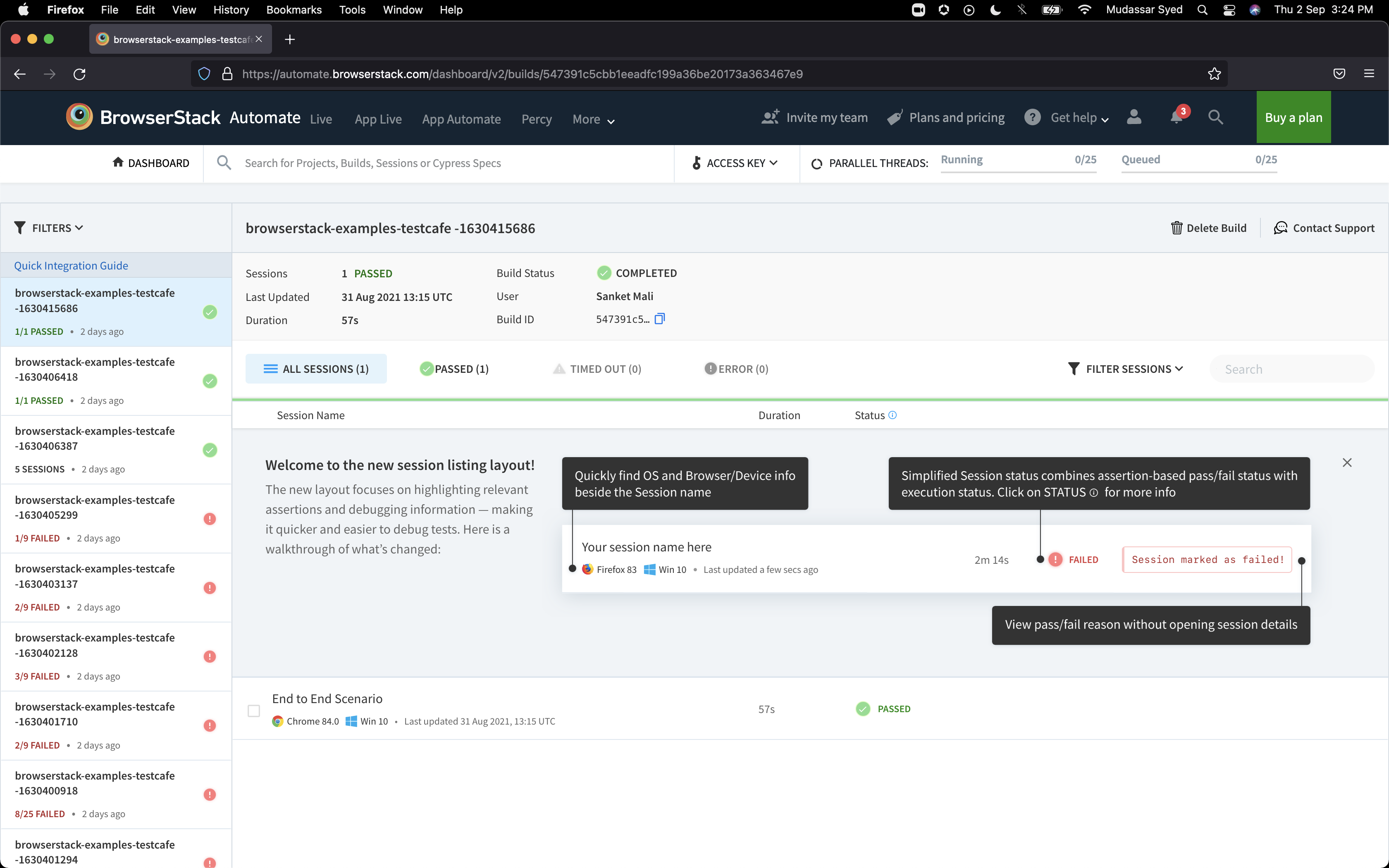
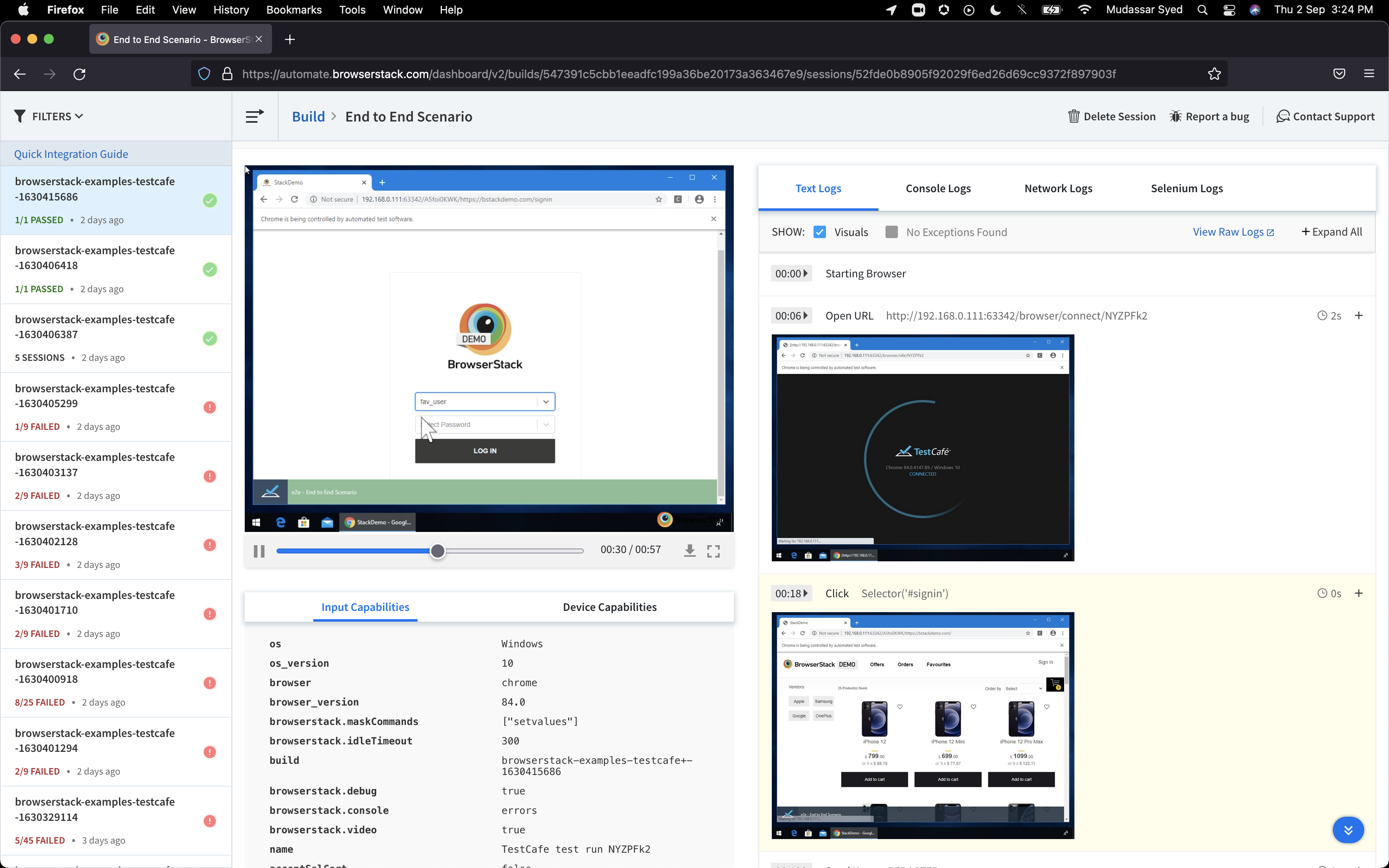
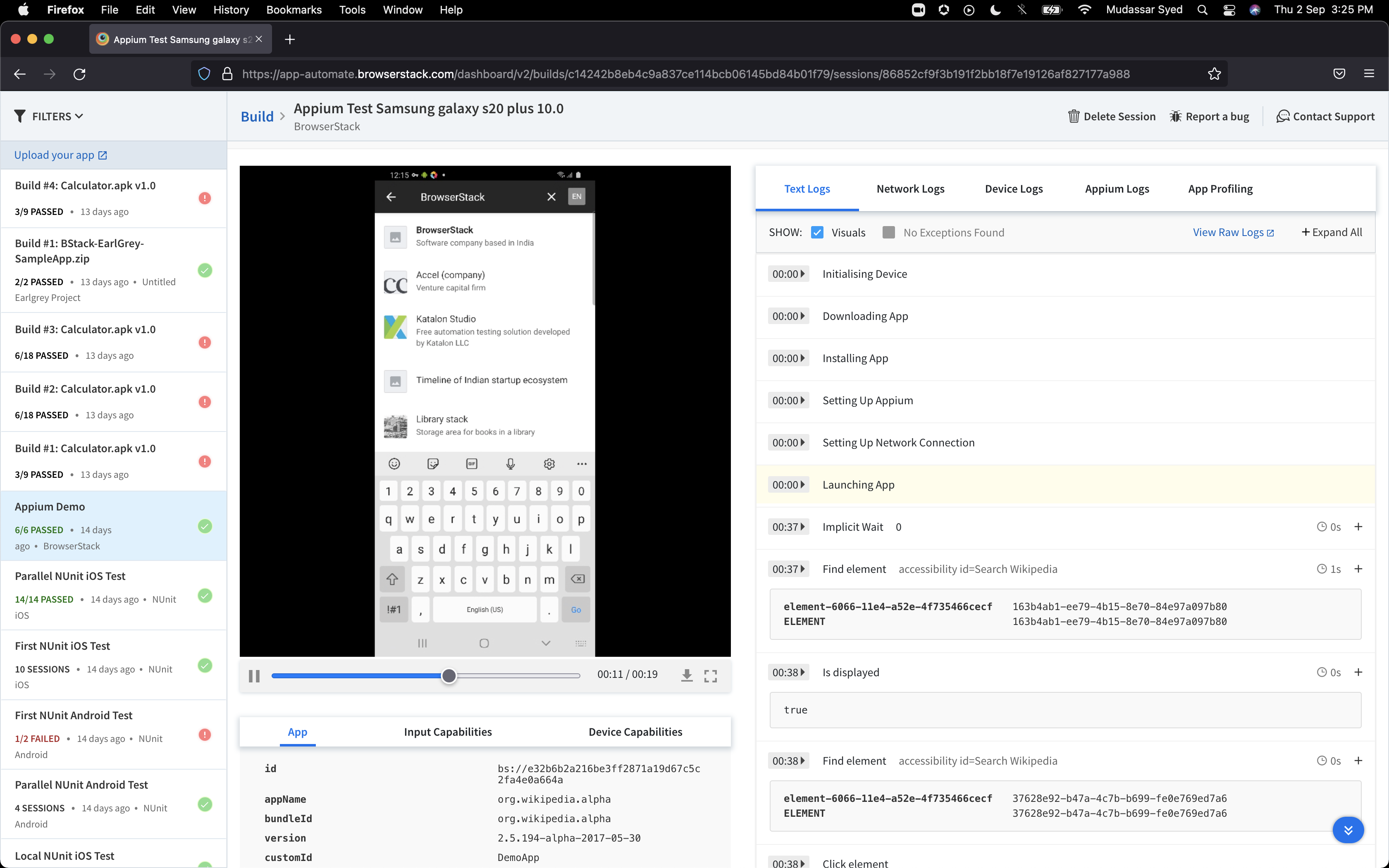
BrowserStack is a test platform built for developers and QAs to expand test coverage, scale and optimize testing with cross-browser, real device cloud, accessibility, visual testing, test management, and test observability. BrowserStack states it currently powers over a billion tests a year for customers who include Amazon, Paypal, Well Fargo Bank, Nvidia, MongoDB, Pfizer, GE, Discovery, React JS, Apache, JQuery and several others rely on BrowserStack to test their web and mobile apps.
$0
per month Unlimited users and 5000 free screenshots
Google Analytics
Score 8.2 out of 10
N/A
Google Analytics is perhaps the best-known web analytics product and, as a free product, it has massive adoption. Although it lacks some enterprise-level features compared to its competitors in the space, the launch of the paid Google Analytics Premium edition seems likely to close the gap.
$0
per month
Siteimprove
Score 9.0 out of 10
N/A
The Siteimprove platform offers tools used to create digital experiences optimized for quality, accessibility, analytics, and SEO. Sitemprove offers content insights and recommendations in a prioritized list to improve the impact of changes. It is available through three solution packages (Inclusivity, Content Experience, and Marketing Performance).
N/A
Pricing
BrowserStack
Google Analytics
Siteimprove
Editions & Modules
Percy - Free
$0
per month Unlimited users and 5000 free screenshots
App Percy - Free
$0
per month 5000 free screenshots and 100 minutes of infrastructure
When it comes to cross-device testing, or what can be said as Live testing, BrowserStack is the best tool for testing with different devices with different OSs at a time. It gives users the liberty to test on iPhone, iPad, or Android devices and check the UI on all different …
Verified User
Employee
Chose BrowserStack
Other than virtual machines, I have not tested out other products.
I looked into other software, but I did not find any of them to be as intuitive as BrowserStack. It was easy to use and had all of the devices we required for testing. The pricing structure also suited the needs of our team. Other team members had familiarity with BrowserStack …
A vendor that I had once worked with, Siteimprove, had an analytics tool that was very similar to GA. I used it a few times, but it didn't seem better to me than GA --which I already knew -- so I didn't see a need to learn a different tool.
Siteimprove is superior to Ahrefs due to it's clean and intuitive user interface and seamless navigation. Ahrefs contains a more robuts data set but the information is often difficult to locate and take action on because of how it's displayed to users. Siteimprove has less data …
I prefer Siteimprove to all above for their easy to view and use dashboards. The visual aspect of SiteImprove makes it easy to pick up for everyone - as we have experienced in our team. We've only had 1 training session on it, as opposed to the multiple for the other things we …
Compared to any other tool I've used, Siteimprove is the best. Many tasks that I used to do manually have become more accessible and faster due to it. The visual scanning of issues is what makes it the best. It's simple to find problems, fix them, and track how far we've come. …
If you need immediate testing (for example, from Azure pipelines agents), use BrowserStack instead of LambdaTest (which makes you wait in a "pool" until the device/platform combo you are querying is accessible). If you don't need your tests to be immediate and prefer a wider range of devices, then use Lambdatest.
Google Analytics is particularly well suited for tracking and analyzing customer behavior on a grocery e-commerce platform. It provides a wealth of information about customer behavior, including what products are most popular, what pages are visited the most, and where customers are coming from. This information can help the platform optimize its website for better customer engagement and conversion rates. However, Google Analytics may not be the best tool for more advanced, granular analysis of customer behavior, such as tracking individual customer journeys or understanding customer motivations. In these cases, it may be more appropriate to use additional tools or solutions that provide deeper insights into customer behavior.
Siteimprove works well for managing the health and performance of your customer-facing sites in terms of performance, digital experience, and accessibility. It also helps to define policies to proactively avoid experience breaks or issues for customers before they occur. It can improve by providing more options to configure policies for large sites with thousands of pages.
User-friendly customisable dashboards, easy to make a dashboard from a template, or create your own, and add in whichever 'widgets' are relevant for what you are looking at
Flagging words to review, allowing users to check and confirm if the word is 'accepted' or is a misspelling
I don't like that there are different navigation paths to go from point A to point B. When I want to navigate to a specific place, I have more than one way to get there, which means I have to make a decision about how I want to there and I'd rather the designer make that design based on what would be most efficient for me.
It's almost the 3rd year for us and it's renewal time for us. So yes, we are already discussing how many licenses we need to increase as users are increasing internally. So it's 100% sure that we are already planning renewal this year as well BrowserStack with live and app automate.
We will continue to use Google Analytics for several reasons. It is free, which is a huge selling point. It houses all of our ecommerce stores' data, and though it can't account for refunds or fraud orders, gives us and our clients directional, real time information on individual and group store performance.
So many options that it can be a little overwhelming, but the core functions are easy to find and use and it's usually not too hard to figure things out for the more complex tasks. Very easy to boot up a device and a specific browser from the dashboard to begin a manual website test.
Google Analytics provides a wealth of data, down to minute levels. That is it's greatest detriment: find the right information when you need it can be a cumbersome task. You are able to create shortcuts, however, so it can mitigate some of this problem. Google is continually refining Analytics, so I do not doubt there will be improvements
Tool has undergone numerous changes, both to function and UX/CX. Makes it less than user friendly at times. But on the other hand, that does indicate a willingness to improve the product in a continual manner - which they've done nearly year after year - but it's always a case of who moved my cheese with each new iteration.
I rated BrowserStack's availability a 10 because it is consistently reliable, with minimal to no downtime or unplanned outages. The platform is accessible whenever needed, ensuring uninterrupted testing. Its robust infrastructure and proactive monitoring ensure a seamless experience, allowing us to meet deadlines without delays caused by availability issues and all
We all know Google is at top when it comes to availability. We have never faced any such instances where I can suggest otherwise. All you need is a Google account, a device and internet connection to use this super powerful tool for reporting and visualising your site data, traffic, events, etc. that too in real time.
The tests are fast considering the fact that they're Appium tests. I've seen tests reliably pass or fail when they're supposed to, with next to zero issues on the BrowserStack side of things. Tests launch only seconds after I kick off them off from my CLI.
This has been a catalyst for improving our site's traffic handling capabilities. We were able to identify exit% from our sites through it and we used recommendations to handle and implement the same in our sites. We have been increasing the usage of Google Analytics in our sites and never had any performance related issues if we used Analytics
I've not had much direct interaction with the BrowserStack support team. The help and community are great and we've not run into any issue that has really required us to reach out. I guess having a stable and easy to use system means you may never need to contact support.
The Google reps respond very quickly. However, sometimes they can overly call you to set up an apportionment. I'm very proficient and sometimes when I talk to reps, they give beginner tutorials and insights that are a waste of time. I wish Google would understand my level of expertise and assign me to a rep (long-term) that doesn't have to walk me through the basics.
I've used support often and it has been responsive, thorough and considerate of our needs. I can get a tech right away, they understand the issue, and work with us to resolve it. Often the problem is with the site we are trying to scan, sometimes it is with their product. I appreciate that they go beyond support into continually helping us implement SiteImprove in more places with 3rd party integration.
Yes, it was online training on meet, and trainer looks like skilled and technical strong, he has covered end to end all the features and he has answers all the queries. because of this trainings we are able to implement it by our own in the organization, thank you for support and training.
It was a quick training from the support of browserstack, it was nice and easy to understand, thanks again for the support given by the team. and regularly I used to receive mails for training from support for any new feature they launch, I was able to spread same training to all my team and dev.
love the product and training they provide for businesses of all sizes. The following list of links will help you get started with Google Analytics from setup to understanding what data is being presented by Google Analytics.
I rated the implementation satisfaction an 8 because while it went smoothly overall, there were some challenges during the initial learning phase and integration with existing tools. Key insights include the importance of providing sufficient training upfront and ensuring seamless integration with other systems to minimize disruptions and improve adoption speed.
I think my biggest take away from the Google Analytics implementation was that there needs to be a clear understanding of what you want to achieve and how you want to achieve it before you start. Originally the analytics were added to track visitors, but as we became more savvy with the product, we began adding more and more functionality, and defining guidelines as we went along. While not detrimental to our success, this lack of an overarching goal resulted in some minor setbacks in implementation and the collection of some messy data that is unusable.
BrowserStack products has been found better for low code automations and visual regression techniques. We have been struggling to maintain the API endpoint sanity tests and writing a lot of code for them while releasing the builds, while we chose BrowserStack accessibility solutions, we found it a way easier than we thought and worked it up.
I have not used Adobe Analytics as much, but I know they offer something called customer journey analytics, which we are evaluating now. I have used Semrush, and I find them much better than Google Analytics. I feel a fairly nontechnical person could learn Semrush in about a month. They also offer features like competitive analysis (on content, keywords, traffic, etc.), which is very useful. If you have to choose one among Semrush and Google Analytics, I would say go for Semrush.
We have used or tested other tools that get installed on a computer or that are hosted online, but none of them offer the features that come with Siteimprove. TotalValidator Pro will check your site for accessibility issues, but it is a manual check and there is no historical reporting. I can;t remember the names of the other online solutions, but even if they offered similar features as Siteimprove, they were all very expensive .
I may not be the best person to answer this as I am only using it for 1 department and at 1 site but will still try my best As far as Scalability for Devices for Mobile Automation is concerned, it gets a Solid 10, as the users can run cases on upto 10 device parallel and also have the best choices of devices to choose
Google Analytics is currently handling the reporting and tracking of near about 80 sites in our project. And I am not talking about the sites from different projects. They may have way more accounts than that. Never ever felt a performance issue from Google's end while generating or customising reports or tracking custom events or creating custom dimensions