
Daniel Berry
Digital Marketing Manager
Chose Google Analytics

| Product | Rating | Most Used By | Product Summary | Starting Price |
|---|---|---|---|---|
 Google Analytics | N/A | Google Analytics is perhaps the best-known web analytics product and, as a free product, it has massive adoption. Although it lacks some enterprise-level features compared to its competitors in the space, the launch of the paid Google Analytics Premium edition seems likely to close the gap. | $0 per month | |
 Moz Pro | N/A | MozPro , from Moz in Seattle, Washington, is an SEO platforms for tracking the performance of all inbound marketing efforts comprehensively. It reveals how content is being shared through social channels and how that drives traffic to a website, and features a broad toolset for search engine optimization: rank tracking, link opportunites, site audit via Moz Analytics, prospective keyword analysis and content grading, as well as a crawl test to find broken or poorly designed site elements. Moz… | $99 per month | |
 Screaming Frog | N/A | N/A | $149 per year |
| Google Analytics | Moz Pro | Screaming Frog SEO Spider | ||||||||||||||||||||||
|---|---|---|---|---|---|---|---|---|---|---|---|---|---|---|---|---|---|---|---|---|---|---|---|---|
| Editions & Modules |
|
|
| |||||||||||||||||||||
| Offerings |
| |||||||||||||||||||||||
| Entry-level Setup Fee | No setup fee | No setup fee | No setup fee | |||||||||||||||||||||
| Additional Details | — | Discount available for annual billing. | — | |||||||||||||||||||||
| More Pricing Information | ||||||||||||||||||||||||
| Google Analytics | Moz Pro | Screaming Frog SEO Spider | |
|---|---|---|---|
| Considered Multiple Products |  Google Analytics Daniel Berry Digital Marketing Manager Chose Google Analytics  Chris Williams Marketing Director Chose Google Analytics All of these products are geared at tracking your website performance among many other things that Google Analytics does not do. But all of these products need to connect to Google Analytics to track the actual traffic and analytics to make their platforms work. When it comes …  Meredith Lea Barber Senior Web Developer Chose Google Analytics |  Moz Pro  Katie Bodell Freelancer Chose Moz Pro To be totally honest, the user-interface with Google Analytics is so terrible that I could hardly ever figure out what it was communicating. Moz was easy to use from day one and I can feel like I understand SEO a bit after using the site for just a short time.  Scott Buresh Owner Chose Moz Pro Moz Pro and Ahrefs each have their own strengths, and we use both. There is a lot of overlap between the two, but I find that there are certain things that each does better. For keyword research, backlink analysis, and site crawls, we generally gravitate toward Moz Pro because …  Max Shtefan Search Marketing Manager Chose Moz Pro Moz tends to be more consistent with their data/metrics. Their crawler is also pretty powerful and able to pick up large sets of pages where some other tools may fall short.  Kevin Gamache Senior Web Analyst Chose Moz Pro Moz had all the features that I was looking for to help us scale our in-house SEO and content marketing strategy. We had previously reviewed several other vendors but the price point and the features offered did not match up to our needs. The ease of use and the time to …  Rodrigo Stockebrand Associate Search Director Chose Moz Pro I've recently noticed we're using SEM Rush a whole lot more nowadays for rank tracking. In fact, it's the first time we've gone to the highest package across multiple client accounts due to the ability to plot rankings amongst competitors in a cool visual way, the ability to …  Mike Tekula Senior Consultant Chose Moz Pro We do continue to use several of these tools alongside Moz, for various purposes (including validating findings with Moz's tools). But the Moz tool set is simply more comprehensive in its functionality. Moz also offers some basic pieces that these competitors have not been able …  Mackinley Levine Asst. Editor and SEO Analyst Chose Moz Pro
 Jeff Bedford Analytics & Optimization Specialist Chose Moz Pro My favorite tool is SEMrush. I selected Moz to help with link-based research because SEMrush is more focused on keyword data. For the link-based data, Ahrefs is probably the biggest threat to Moz. It has an amazing amount of data, and from the chatter I hear the data is more …  Colin Hagan Marketing Manager Chose Moz Pro Google AdWords, though not a direct competitor, and Google Analytics, used in combination and with expertise, can cover many of the SEOmoz features, for free.  Sean Smith Internet Marketing Specialist Chose Moz Pro RavenTools I've used and has a great approach to the same problems, the only major difference is SEOmoz's availability of incredible data. If you want more recommendations for improvements on site and SEOmoz is too expensive, try RavenTools – otherwise SEOmoz is a better bet. … |  Screaming Frog  Nirav Sampat SEO Manager Chose Screaming Frog SEO Spider When it comes to crawling a website nothing can beat Screaming Frog.  Joe Preston Director of Search Chose Screaming Frog SEO Spider I like that it's a desktop client actually. I like it that I can stop something myself, rather than have some bot out of my control tear into a web site, consuming all it's content.  Chris Coultas SEO Specialist Chose Screaming Frog SEO Spider  Scott Walker Director of Digital Marketing Chose Screaming Frog SEO Spider Screaming Frog has a free version, so it competes with the paid programs (like Moz) solely in the fact that it can be used without incurring a budget line item. Compared to many other programs that also offer free scans, Screaming Frog is fast and much more customizable. Since …  Tom Pick Independent B2B Digital Marketing Consultant Chose Screaming Frog SEO Spider  Roman Yarovyi Product Project Manager Chose Screaming Frog SEO Spider We tried also Netpeak Spider. Good alternative to Screaming Frog. Right now we are comparing these two because Spider can do almost everything that Screaming Frog does. A huge plus for Screaming Spider is that it's very stable; we work with very big projects with it (10-20 …  Justin Roodman Product Marketing Manager Chose Screaming Frog SEO Spider  Ari Roth Senior Account Manager Chose Screaming Frog SEO Spider  James Egan Data and Insight Consultant Chose Screaming Frog SEO Spider I use Screaming Frog because it is a very powerful tool that is not prohibitively expensive. Moz is at the same price range but has lost some of its zing because they have upped the price for individual aspects. Buy a license from SF and that is it, done and dusted. I just wish … Kevin Gamache Search Strategist Chose Screaming Frog SEO Spider Screaming Frog is unique in my opinion in its offering. I did not review or examine other products.  Jeremy Waszak Senior SEO Manager Chose Screaming Frog SEO Spider  Jake Pittman Natural Search Executive Chose Screaming Frog SEO Spider |
| Google Analytics | Moz Pro | Screaming Frog SEO Spider | |||||||||||||||||||||||||||||||||||
|---|---|---|---|---|---|---|---|---|---|---|---|---|---|---|---|---|---|---|---|---|---|---|---|---|---|---|---|---|---|---|---|---|---|---|---|---|---|
| Web Analytics |
| ||||||||||||||||||||||||||||||||||||
| SEO |
| ||||||||||||||||||||||||||||||||||||
| SEO Channels |
| ||||||||||||||||||||||||||||||||||||
| SEO Platform & Account Management |
|
| Google Analytics | Moz Pro | Screaming Frog SEO Spider | |
|---|---|---|---|
| Small Businesses |  StatCounter Score 9.0 out of 10 |  Nozzle Score 10.0 out of 10 | Nozzle Score 10.0 out of 10 |
| Medium-sized Companies |  Siteimprove Score 9.0 out of 10 |  Advanced Web Ranking Score 8.2 out of 10 | Advanced Web Ranking Score 8.2 out of 10 |
| Enterprises |  Optimal Score 9.1 out of 10 |  Conductor Score 9.2 out of 10 | Conductor Score 9.2 out of 10 |
| All Alternatives | View all alternatives | View all alternatives | View all alternatives |
| Google Analytics | Moz Pro | Screaming Frog SEO Spider | |
|---|---|---|---|
| Likelihood to Recommend | 8.6 (193 ratings) | 8.1 (78 ratings) | 8.9 (55 ratings) |
| Likelihood to Renew | 9.0 (51 ratings) | 7.0 (38 ratings) | 10.0 (3 ratings) |
| Usability | 7.4 (19 ratings) | 7.0 (3 ratings) | 7.9 (5 ratings) |
| Availability | 10.0 (4 ratings) | 10.0 (1 ratings) | - (0 ratings) |
| Performance | 10.0 (2 ratings) | - (0 ratings) | - (0 ratings) |
| Support Rating | 7.0 (42 ratings) | 9.5 (7 ratings) | 7.9 (18 ratings) |
| Online Training | 10.0 (2 ratings) | 7.0 (1 ratings) | - (0 ratings) |
| Implementation Rating | 9.0 (7 ratings) | - (0 ratings) | 7.0 (1 ratings) |
| Configurability | 6.0 (2 ratings) | - (0 ratings) | - (0 ratings) |
| Ease of integration | 10.0 (1 ratings) | - (0 ratings) | - (0 ratings) |
| Product Scalability | 10.0 (2 ratings) | - (0 ratings) | - (0 ratings) |
| Vendor post-sale | 10.0 (1 ratings) | - (0 ratings) | - (0 ratings) |
| Vendor pre-sale | 9.0 (1 ratings) | - (0 ratings) | - (0 ratings) |
| Google Analytics | Moz Pro | Screaming Frog SEO Spider | |
|---|---|---|---|
| Likelihood to Recommend | Google
 sandro merkvilishvili Head of e-commerce deparment | iContact
| Screaming Frog
Chris Coultas SEO Specialist |
| Pros | Google
| iContact
 Joseph Kahn Head RankingZealot at Hum JAM | Screaming Frog
Ari Roth Senior Account Manager |
| Cons | Google
| iContact
| Screaming Frog
Justin Roodman Product Marketing Manager |
| Likelihood to Renew | Google
| iContact
 Kyle Claypool Digital Director | Screaming Frog
 Anthony Daronzio SEO Director |
| Usability | Google
 Victor Campos Web Developer | iContact
| Screaming Frog
|
| Reliability and Availability | Google
| iContact
 Ingo Grammel Sr. Digital Marketing Manager | Screaming Frog No answers on this topic |
| Performance | Google
| iContact No answers on this topic | Screaming Frog No answers on this topic |
| Support Rating | Google
 Sarah Hoffman Media Director | iContact
| Screaming Frog
Scott Walker Director of Digital Marketing |
| Online Training | Google
 Roy Morejon President | iContact No answers on this topic | Screaming Frog No answers on this topic |
| Implementation Rating | Google
 Joshua Van Horsen Marketing Manager | iContact No answers on this topic | Screaming Frog
Anthony Daronzio SEO Director |
| Alternatives Considered | Google
| iContact
 Phil Parrish Co-founder, Managing Director | Screaming Frog
 Scott Richardson Co Founder and SEO Consultant |
| Scalability | Google
| iContact No answers on this topic | Screaming Frog No answers on this topic |
| Return on Investment | Google
 Heide Rembold Director of Marketing & Analytics | iContact
 Preeti Gautam Social Media Executive & Content Editor | Screaming Frog
 Brynna Baldauf SEO Strategist |
| ScreenShots | Moz Pro Screenshots  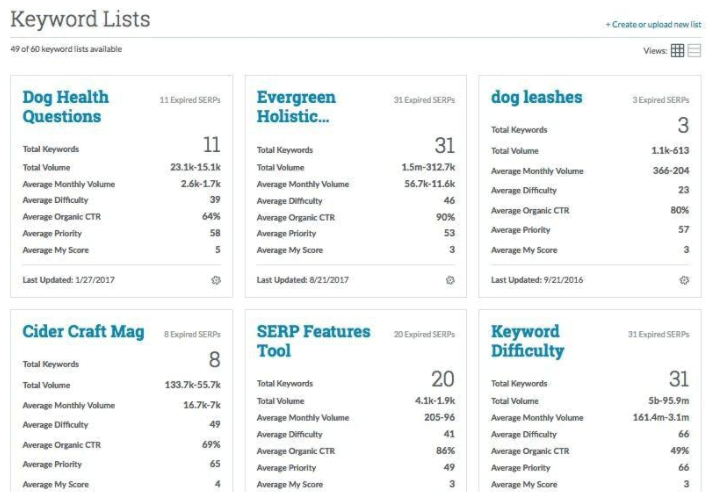   |