
Berlynn Pierce
CRM Project Manager
Chose Asana

| Product | Rating | Most Used By | Product Summary | Starting Price |
|---|---|---|---|---|
 Asana | N/A | Asana is a web and mobile project management app. With tasks, projects, conversations, and dashboards, Asana lets an entire team know who's doing what by when, enabling workload balancing. Users can also add integrations for GANTT charts, time tracking and more. | $13.49 per month per user | |
 ClickUp | Small Businesses (1-50 employees) | ClickUp is a productivity platform that brings together work apps, data, and workflows. Also presented as a Converged AI Workspace, ClickUp eliminates work sprawl to provide context and a single place for humans and agents to work together. The platform currently boasts over 20 million users worldwide. ClickUp Brain² is deeply embedded into the workspace, offering conversational intake for project scoping and autonomous task generation. It can transform brainstorming docs… | $0 per month per seat | |
 Microsoft 365 | N/A | Microsoft 365 (formerly Office 365) is a Microsoft Cloud subscription service that includes Microsoft Office products (Word, Excel, PowerPoint, OneNote, Outlook, Publisher, and Access). The software can be installed across multiple devices and ensures that users always have the most up-to-date version of the included Office applications. | $5 Per User Per Month |
| Asana | ClickUp | Microsoft 365 | ||||||||||||||||||||||
|---|---|---|---|---|---|---|---|---|---|---|---|---|---|---|---|---|---|---|---|---|---|---|---|---|
| Editions & Modules |
|
|
| |||||||||||||||||||||
| Offerings |
| |||||||||||||||||||||||
| Entry-level Setup Fee | Optional | No setup fee | No setup fee | |||||||||||||||||||||
| Additional Details | A discount is offered for annual billing. | Discount available for annual billing. | *When billed annually. | |||||||||||||||||||||
| More Pricing Information | ||||||||||||||||||||||||
| Asana | ClickUp | Microsoft 365 | |
|---|---|---|---|
| Considered Multiple Products |  Asana Berlynn Pierce CRM Project Manager Chose Asana  Brian Keary Owner and CEO Chose Asana Side by side with the other two Asana by far beats monday.com and is comparable and slightly better than ClickUp. Monday is completely browser-based and is hard to navigate and figure out how to set up. Asana and ClickUp are the exact opposite. Both are easy to set up and …  Darshan Bhatt UX Designer Chose Asana Asana is better for the teams who seeks strealined, easy to use user interfaces with less complexity . Which makes Asana a go to PMS to get things done rather then spending whole time on understanding about how feature works.  Karuthapandian Muthuraj Marketing Operations Specialist Chose Asana Support and Excellent Design UI.  John Crumpton Technical Director (CTO) Chose Asana  Debbie Gillum Digital Marketing Specialist Chose Asana Asana has a lot of great free tools and makes it easy to create projects and add team members to the project. I think it's a good value compared to others and is the most straight forward to use. I find it to be the most helpful for both personal and team projects. | ClickUp  Ben Soutas Marketing Chose ClickUp I have never been the decision maker on software like this. They are always decided by someone else before I start working for a company. ClickUp seems like the one with the most features though. My co-worker especially loves it and is the one who insisted we use ClickUp over …  Tulio Gómez Vargas Automation Assistant Chose ClickUp Asana focused on planning, maybe Clickup doesn't have that same scheme, but that's the magic, clickup also shows you features that task management should have, it has its own signature per say. I love that Slack in their workflows has a much more developed task creation feature, …  Sara DeNorch Founder Chose ClickUp I used Asana before using ClickUp. Not only was it far more expensive, but the limitations were to a point that it was affecting our speed of fulfillment and requiring additional third-party tech stacks that cost more money at a higher price per user. There were so many …  Rafael Ruiz Casares Chief Design Officer Chose ClickUp ClickUp is an app killer; it takes all the good features of these apps and radically improves them. ClickUp es una asesina de aplicaciones y concentra todo lo bueno de estas aplicaciones pero las mejora radicalmente  Pip Meecham Systems Consultant Chose ClickUp The short answer: other tools do individual pieces better. Productive handles financials and resourcing more natively. Notion is prettier for documentation. Monday looks slick for simple boards. But no other single platform covers the full spectrum the way ClickUp does: tasks, …  Howar Rasguido Web Developer Chose ClickUp Mejor integracion y visualizacion de tareas, la contabilidad del tiempo por tareas/tickets es una de las partes mas robustas de ClickUp, la integration con gitlab es una ventaja y ayuda mucho a la organizacion del trabajo, la posibilidad de agrupar tareas por grupos o tipos …  √ Andre Lucas Co Founder Chose ClickUp ClickUp has more features integrated and well organized. Especially the concept of having Spaces, folders and lists helps a lot in organizing the projects and each having its own workflows.  Erica Hernandez Group Director, Client Operations Chose ClickUp ClickUp had a more all-in-one solution for all the issues we have been trying to solve at the agency as well as an integration into our finance system (NetSuite) which helped adoption by our finance team. | Microsoft 365  Ali Kazempour Information Technology Adviser Chose Microsoft 365 Stability, high security, unique capabilities, speed of execution, cloud storage space, and compatibility and integration with other software has made this Microsoft product one of the best in the competitive market. |
| Asana | ClickUp | Microsoft 365 | |||||||||||||||||||||||||||||||||||||||||||||||||||||||||||
|---|---|---|---|---|---|---|---|---|---|---|---|---|---|---|---|---|---|---|---|---|---|---|---|---|---|---|---|---|---|---|---|---|---|---|---|---|---|---|---|---|---|---|---|---|---|---|---|---|---|---|---|---|---|---|---|---|---|---|---|---|---|
| Project Management |
| ||||||||||||||||||||||||||||||||||||||||||||||||||||||||||||
| Professional Services Automation |
|
| Asana | ClickUp | Microsoft 365 | |
|---|---|---|---|
| Small Businesses |  Kintone Score 9.7 out of 10 | Kintone Score 9.7 out of 10 |  Zoho WorkDrive Score 9.2 out of 10 |
| Medium-sized Companies | Kintone Score 9.7 out of 10 | Kintone Score 9.7 out of 10 |  Google Workspace Score 9.1 out of 10 |
| Enterprises |  Planview AgilePlace Score 7.8 out of 10 | Planview AgilePlace Score 7.8 out of 10 |  Microsoft 365 Business Premium Score 9.0 out of 10 |
| All Alternatives | View all alternatives | View all alternatives | View all alternatives |
| Asana | ClickUp | Microsoft 365 | |
|---|---|---|---|
| Likelihood to Recommend | 9.1 (209 ratings) | 8.9 (826 ratings) | 8.4 (262 ratings) |
| Likelihood to Renew | 9.6 (34 ratings) | 9.6 (43 ratings) | 9.5 (6 ratings) |
| Usability | 8.7 (37 ratings) | 8.4 (183 ratings) | 8.7 (30 ratings) |
| Availability | 8.4 (2 ratings) | 9.5 (6 ratings) | - (0 ratings) |
| Performance | - (0 ratings) | 8.0 (5 ratings) | - (0 ratings) |
| Support Rating | 5.0 (42 ratings) | 9.4 (47 ratings) | 8.9 (54 ratings) |
| Online Training | - (0 ratings) | 10.0 (2 ratings) | - (0 ratings) |
| Implementation Rating | - (0 ratings) | 8.7 (9 ratings) | 9.0 (2 ratings) |
| Configurability | - (0 ratings) | 8.0 (2 ratings) | - (0 ratings) |
| Contract Terms and Pricing Model | - (0 ratings) | 5.0 (1 ratings) | - (0 ratings) |
| Ease of integration | - (0 ratings) | 7.0 (2 ratings) | - (0 ratings) |
| Product Scalability | 8.2 (1 ratings) | 8.9 (6 ratings) | - (0 ratings) |
| Professional Services | - (0 ratings) | 5.0 (1 ratings) | - (0 ratings) |
| Vendor post-sale | - (0 ratings) | 5.0 (2 ratings) | - (0 ratings) |
| Vendor pre-sale | - (0 ratings) | 5.0 (2 ratings) | - (0 ratings) |
| Asana | ClickUp | Microsoft 365 | |
|---|---|---|---|
| Likelihood to Recommend | Asana
 Marina Torttoli Marketing Director | ClickUp
| Microsoft
 Chad Howell Scrum Master |
| Pros | Asana
 Ammar Aboalrub Freelancer | ClickUp
| Microsoft
 Giovanni Jurado Business Analyst Team Lead |
| Cons | Asana
| ClickUp
Rafael Ruiz Casares Chief Design Officer | Microsoft
 Sarah Ager Sr. Product Marketing Manager |
| Likelihood to Renew | Asana
 page V CEO (Chief Executive Officer) | ClickUp
 José Francisco Laguna Technical Writer | Microsoft
 Rebecca T Barber, MBA, PHD Senior Director, Management Analysis |
| Usability | Asana
| ClickUp
| Microsoft
|
| Reliability and Availability | Asana
 Ronen Soreq Project Manager | ClickUp
| Microsoft No answers on this topic |
| Performance | Asana No answers on this topic | ClickUp
| Microsoft No answers on this topic |
| Support Rating | Asana
 Adam Lumley Director of Marketing & Communications | ClickUp
 Cassandra Shenning Marketing Director | Microsoft
 Sam Livermore, MCP, iTIL Lead Systems Administrator |
| Online Training | Asana No answers on this topic | ClickUp
| Microsoft No answers on this topic |
| Implementation Rating | Asana No answers on this topic | ClickUp
 Leon Prather II, CTS Manager, Digital Product Operations | Microsoft
|
| Alternatives Considered | Asana
 Rafiqul Islam Full-stack Software Engineer | ClickUp
| Microsoft
|
| Scalability | Asana
Ronen Soreq Project Manager | ClickUp
| Microsoft No answers on this topic |
| Return on Investment | Asana
 Kristi Porter Chief Do-Gooder | ClickUp
Sara DeNorch Founder | Microsoft
|
| ScreenShots | Asana Screenshots 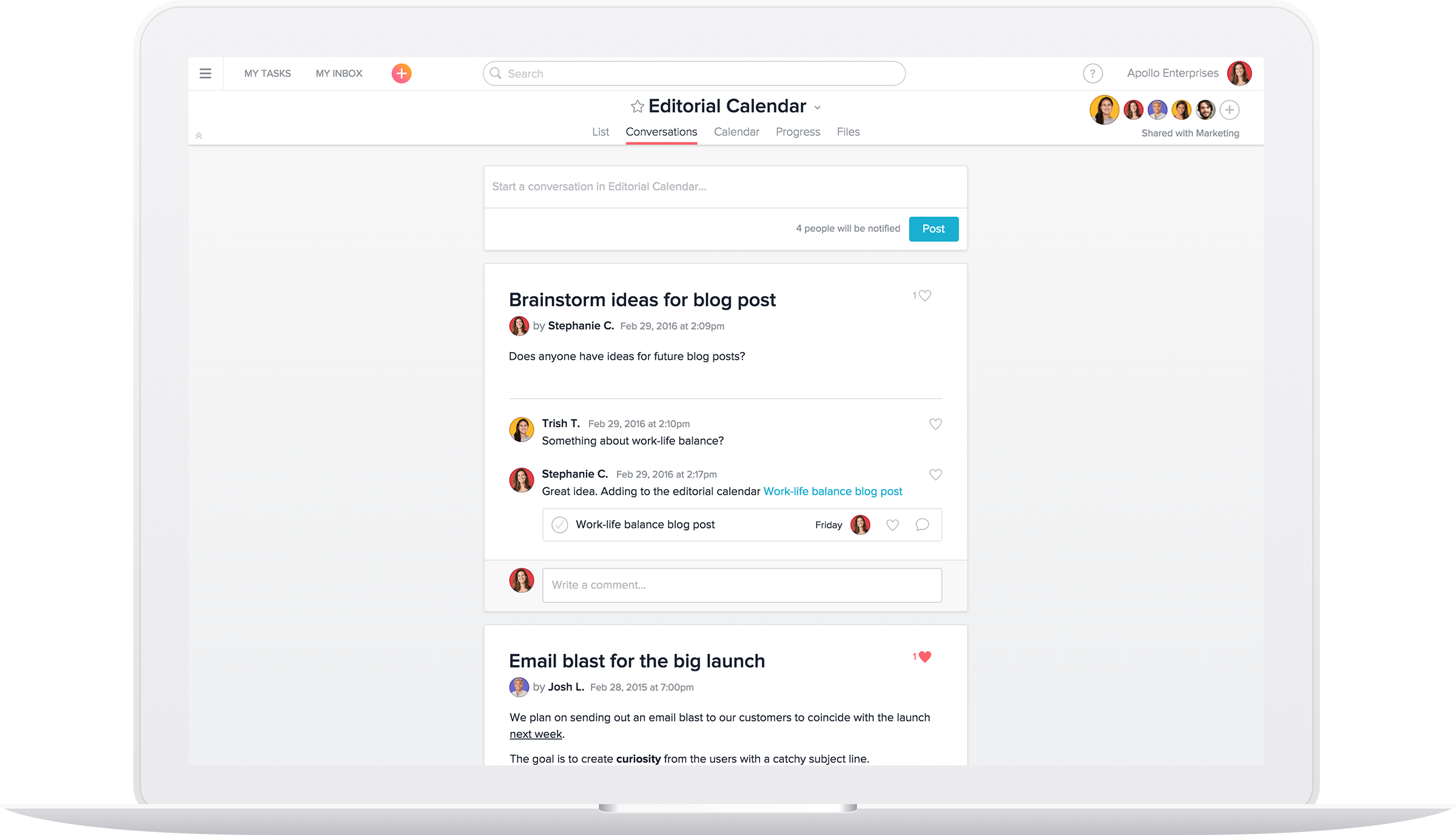     | ClickUp Screenshots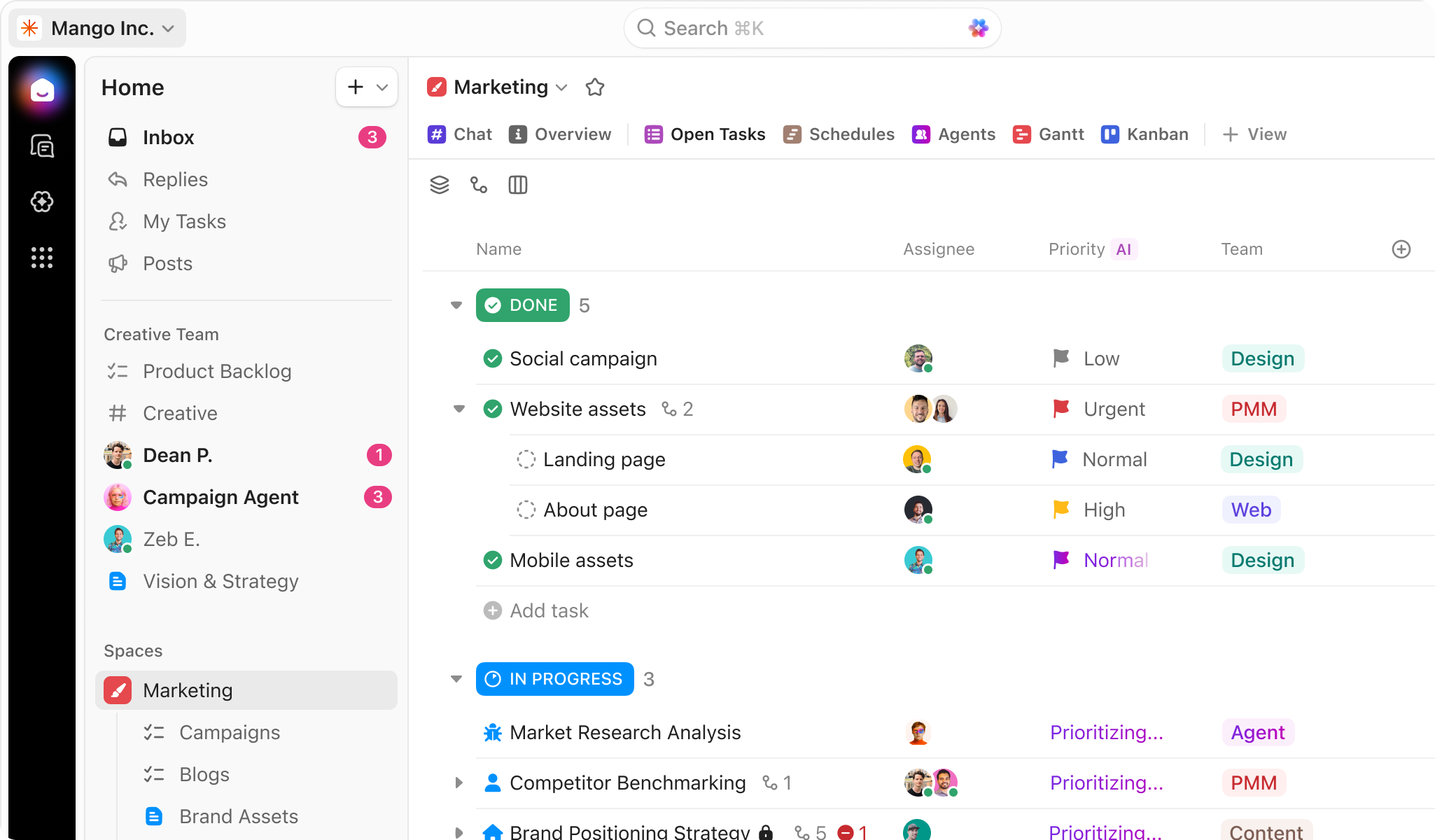 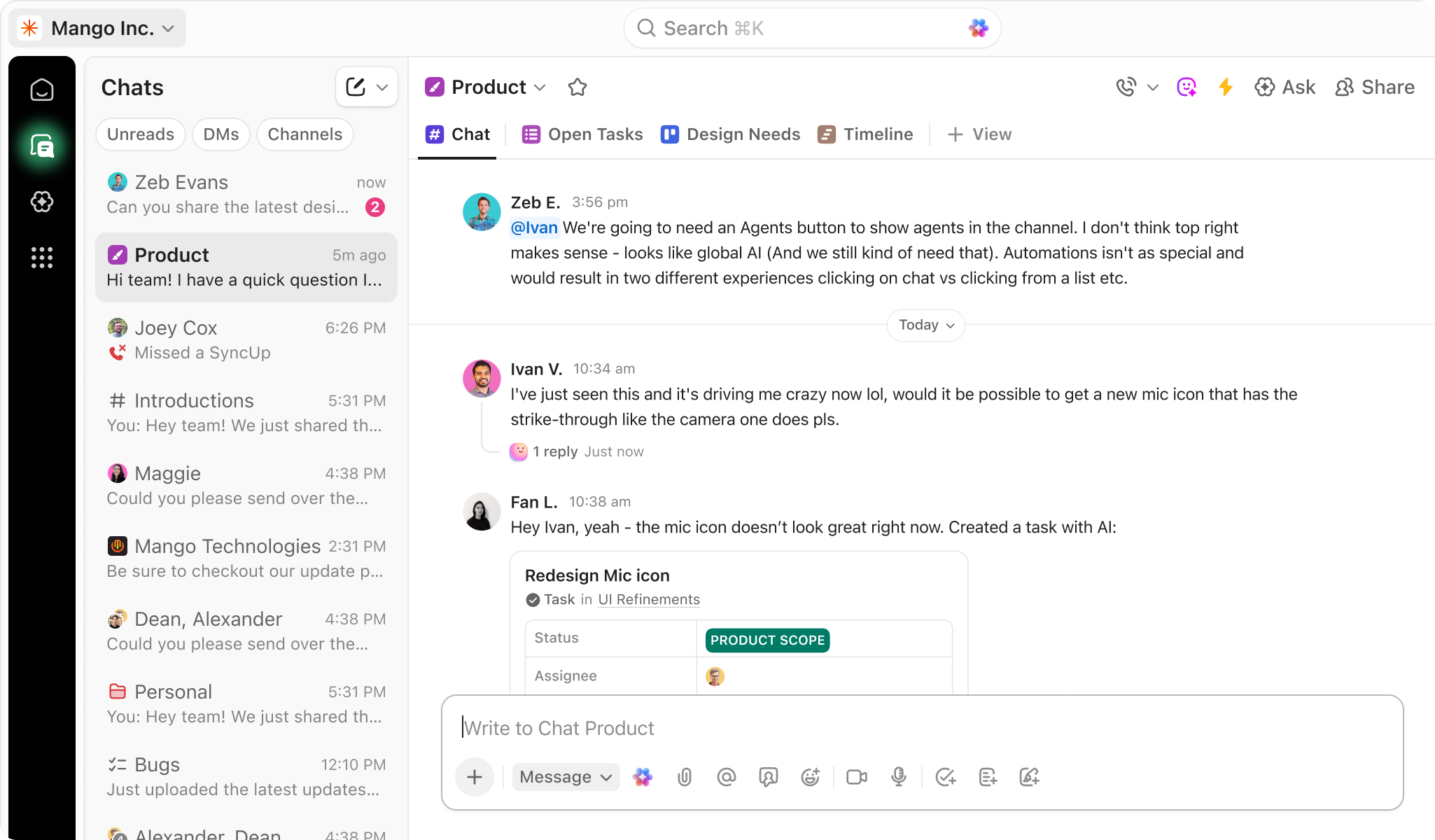 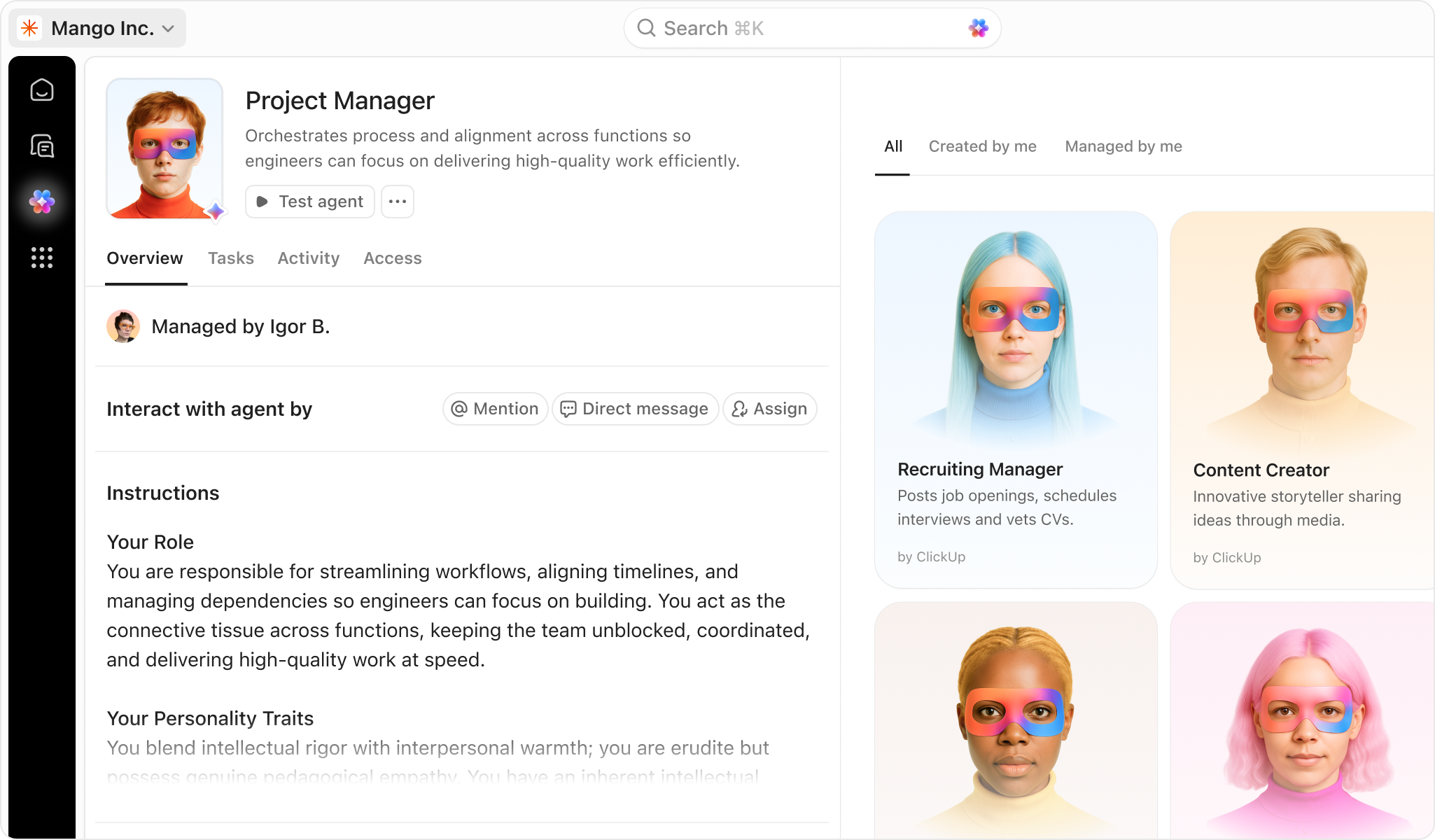 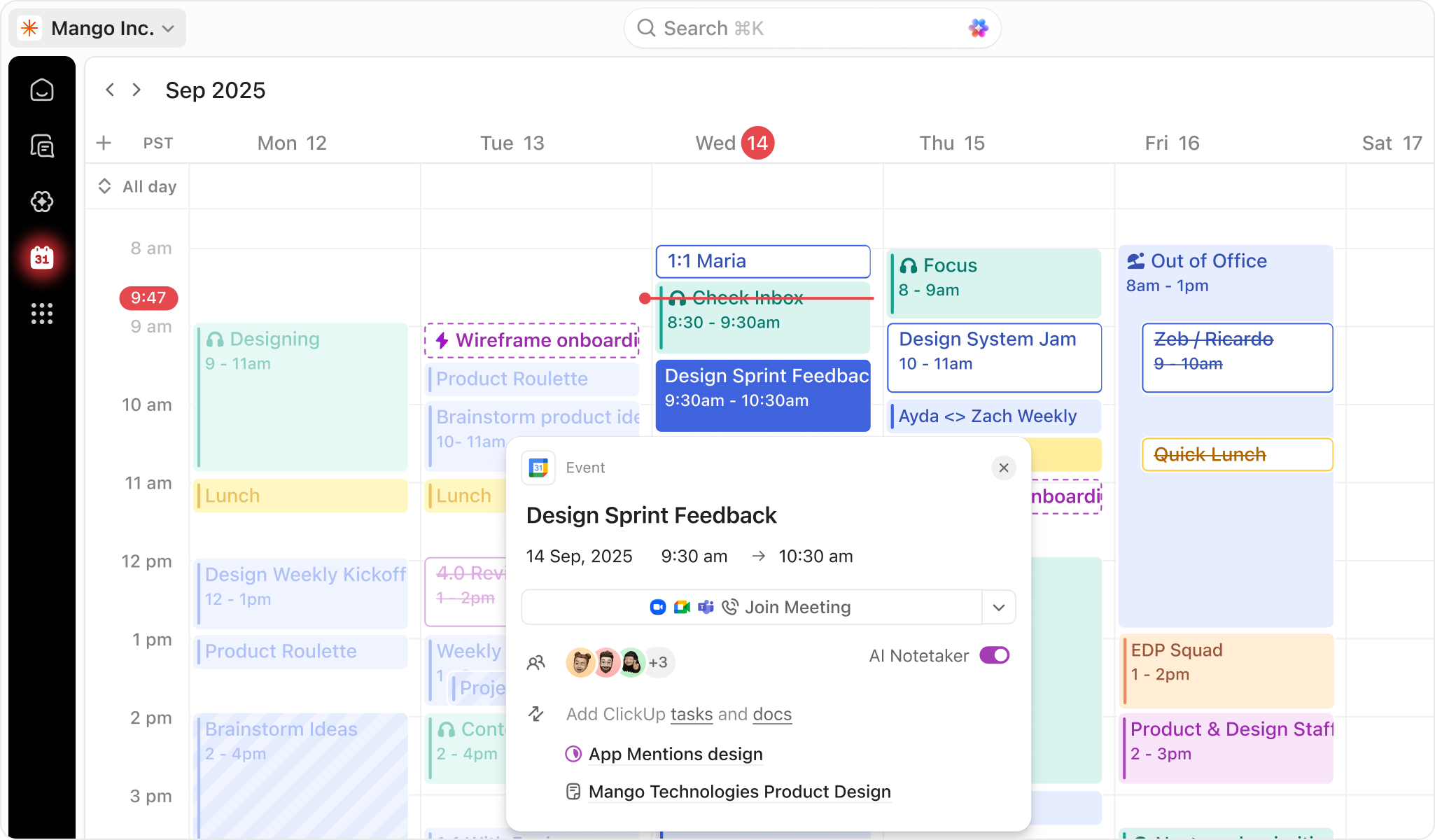 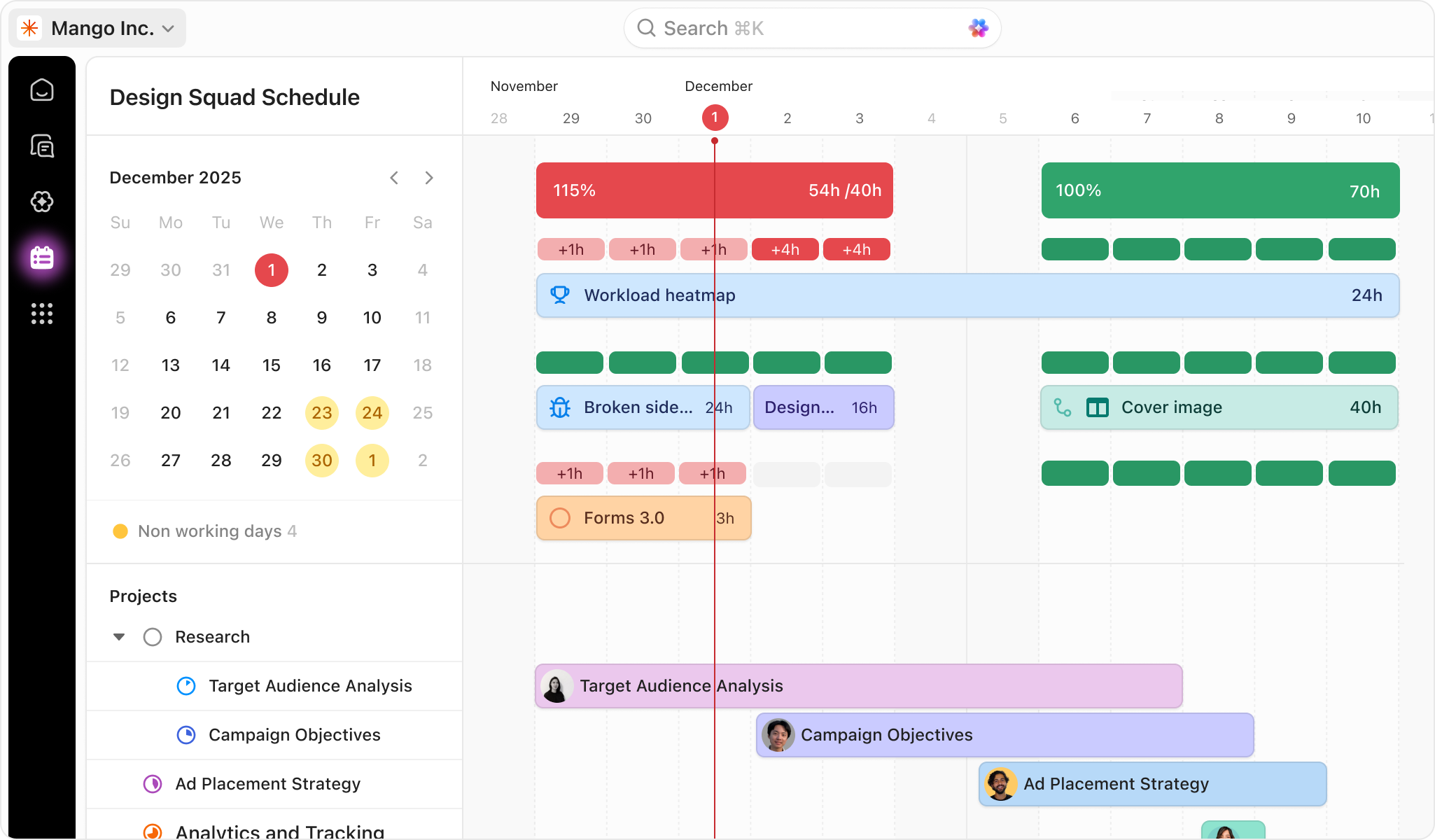 |