
Randolph Ramirez
Digital Marketing & Design
Chose Teamwork.com

| Product | Rating | Most Used By | Product Summary | Starting Price |
|---|---|---|---|---|
 Kintone | N/A | Kintone is a customizable digital workplace platform used to manage data, tasks, and communication. The no-code drag-and-drop interface can be used to create custom applications. | $120 per month for 5 users (minimum) | |
 Teamwork.com | N/A | Teamwork.com is a project management platform built specifically for client work. The platform helps users deliver work on time and on budget, eliminate client chaos, and understand profitability. Teamwork.com’s customers track and manage their projects with a suite of integrated solutions such as helpdesk, collaboration, knowledge sharing and customer relationship management add-ons, enabling Teamwork.com to be the ‘one-stop shop’ solution for business owners. Headquartered in Cork,… | $13.99 per month per user | |
 Wrike | Mid-Size Companies (51-1,000 employees) | Wrike is a project management and collaboration software. This solution connects tasks, discussions, and emails to the user’s project plan. Wrike is optimized for agile workflows and aims to help resolve data silos, poor visibility into work status, and missed deadlines and project failures. | $240 per year 2 users (minimum) |
| Kintone | Teamwork.com | Wrike | ||||||||||||||||||||||
|---|---|---|---|---|---|---|---|---|---|---|---|---|---|---|---|---|---|---|---|---|---|---|---|---|
| Editions & Modules |
|
|
| |||||||||||||||||||||
| Offerings |
| |||||||||||||||||||||||
| Entry-level Setup Fee | Optional | Optional | No setup fee | |||||||||||||||||||||
| Additional Details | Minimum requirement of 5 users. Kintone offers a free prototype to build with using existing process. | A discount is offered for annual billing. | Every premium plan begins with a 14-day trial period. | |||||||||||||||||||||
| More Pricing Information | ||||||||||||||||||||||||
| Kintone | Teamwork.com | Wrike | |
|---|---|---|---|
| Considered Multiple Products | Kintone No answer on this topic |  Teamwork.com Randolph Ramirez Digital Marketing & Design Chose Teamwork.com Chose Teamwork.com  Matt Graf Assistant Director of Production Chose Teamwork.com Teamwork stacks up very well with other project management products. I think it really just depends on what the company and team's needs are to determine which option is right for you. Some people and places will benefit greatly from something as robust and high quality as …  Tim Kyse Vice President-Client Services and Support Chose Teamwork.com Price |  Wrike  Orlando Rafael Ochoa Pacheco Team specialist Chose Wrike Two options were considered: Freed Camp, which was dismissed because it contains little advanced and too expensive of features, and Teamwork Projects, which has powerful features but is also very expensive. In the end, we decided on Wrike after evaluating what the product can …  Michael Fank Quality Manager Chose Wrike  Jamie McCook Director of Client Onboarding Chose Wrike FAR SUPERIOR to Teamwork!  Felix Maximiliano Obes Project Manager Chose Wrike |
| Kintone | Teamwork.com | Wrike | |||||||||||||||||||||||||||||||||||||||||||||||||||||||||||
|---|---|---|---|---|---|---|---|---|---|---|---|---|---|---|---|---|---|---|---|---|---|---|---|---|---|---|---|---|---|---|---|---|---|---|---|---|---|---|---|---|---|---|---|---|---|---|---|---|---|---|---|---|---|---|---|---|---|---|---|---|---|
| Sales Force Automation |
| ||||||||||||||||||||||||||||||||||||||||||||||||||||||||||||
| Customer Service & Support |
| ||||||||||||||||||||||||||||||||||||||||||||||||||||||||||||
| CRM Reporting & Analytics |
| ||||||||||||||||||||||||||||||||||||||||||||||||||||||||||||
| Customization |
| ||||||||||||||||||||||||||||||||||||||||||||||||||||||||||||
| Integrations with 3rd-party Software |
| ||||||||||||||||||||||||||||||||||||||||||||||||||||||||||||
| Platform |
| ||||||||||||||||||||||||||||||||||||||||||||||||||||||||||||
| Security |
| ||||||||||||||||||||||||||||||||||||||||||||||||||||||||||||
| CRM Project Management |
| ||||||||||||||||||||||||||||||||||||||||||||||||||||||||||||
| Project Management |
| ||||||||||||||||||||||||||||||||||||||||||||||||||||||||||||
| Professional Services Automation |
|
| Kintone | Teamwork.com | Wrike | |
|---|---|---|---|
| Small Businesses |  Salesmate Score 10.0 out of 10 |  Stackby Score 8.9 out of 10 | Stackby Score 8.9 out of 10 |
| Medium-sized Companies |  Creatio Score 9.0 out of 10 |  InEight Score 8.3 out of 10 | InEight Score 8.3 out of 10 |
| Enterprises | Creatio Score 9.0 out of 10 | InEight Score 8.3 out of 10 | InEight Score 8.3 out of 10 |
| All Alternatives | View all alternatives | View all alternatives | View all alternatives |
| Kintone | Teamwork.com | Wrike | |
|---|---|---|---|
| Likelihood to Recommend | 9.0 (48 ratings) | 10.0 (82 ratings) | 8.5 (888 ratings) |
| Likelihood to Renew | 8.3 (5 ratings) | 10.0 (2 ratings) | 8.5 (103 ratings) |
| Usability | 7.8 (5 ratings) | 10.0 (21 ratings) | 8.2 (225 ratings) |
| Availability | 10.0 (1 ratings) | - (0 ratings) | 8.0 (23 ratings) |
| Performance | 9.0 (1 ratings) | - (0 ratings) | 6.4 (20 ratings) |
| Support Rating | 9.4 (46 ratings) | 8.8 (27 ratings) | 7.4 (90 ratings) |
| In-Person Training | - (0 ratings) | - (0 ratings) | 8.2 (5 ratings) |
| Online Training | - (0 ratings) | - (0 ratings) | 8.2 (13 ratings) |
| Implementation Rating | 6.8 (4 ratings) | - (0 ratings) | 7.7 (32 ratings) |
| Configurability | 9.6 (42 ratings) | - (0 ratings) | 8.3 (12 ratings) |
| Contract Terms and Pricing Model | 1.0 (1 ratings) | - (0 ratings) | 7.3 (4 ratings) |
| Ease of integration | 5.0 (1 ratings) | - (0 ratings) | 6.9 (7 ratings) |
| Product Scalability | 7.0 (1 ratings) | - (0 ratings) | 8.0 (14 ratings) |
| Professional Services | 3.0 (1 ratings) | - (0 ratings) | 6.7 (3 ratings) |
| Vendor post-sale | 8.0 (1 ratings) | - (0 ratings) | 9.0 (7 ratings) |
| Vendor pre-sale | 2.0 (1 ratings) | - (0 ratings) | 6.6 (8 ratings) |
| Kintone | Teamwork.com | Wrike | |
|---|---|---|---|
| Likelihood to Recommend | Kintone
| Teamwork
| Wrike
 Deanna Reis Production Director |
| Pros | Kintone
 Becca Rusinko Life Coach | Teamwork
 Maria Bereziuk Account Manager | Wrike
|
| Cons | Kintone
| Teamwork
 Mudssar Adrees Asst. Manager Porcurement Quality Control | Wrike
 Alicia Stacy Account Executive |
| Likelihood to Renew | Kintone
 Shin Kishioka PRESIDENT | Teamwork
 Jose Quintero IT Support Manager | Wrike
|
| Usability | Kintone
 Lori Scarmardo Program Administrator - Public Power Pool (P3) | Teamwork
 Amber Callan Inbound Marketing Strategist | Wrike
|
| Reliability and Availability | Kintone
 Farshad Karimi Implementation Manager | Teamwork No answers on this topic | Wrike
 Cristi Radulian Senior Design Engineer |
| Performance | Kintone
Farshad Karimi Implementation Manager | Teamwork No answers on this topic | Wrike
 Mark Ferrer Senior Web Developer |
| Support Rating | Kintone
| Teamwork
 Miles Baltrusaitis Marketing Operations Manager | Wrike
|
| In-Person Training | Kintone No answers on this topic | Teamwork No answers on this topic | Wrike
 Ashley Pauls Assistant director of communications |
| Online Training | Kintone No answers on this topic | Teamwork No answers on this topic | Wrike
|
| Implementation Rating | Kintone
Shin Kishioka PRESIDENT | Teamwork No answers on this topic | Wrike
|
| Alternatives Considered | Kintone
| Teamwork
| Wrike
 Alysen Boston Content marketing writer |
| Contract Terms and Pricing Model | Kintone
Farshad Karimi Implementation Manager | Teamwork No answers on this topic | Wrike
 Nuha Abdi Learner engagement |
| Scalability | Kintone
Farshad Karimi Implementation Manager | Teamwork No answers on this topic | Wrike
Michael Fank Quality Manager |
| Professional Services | Kintone
Farshad Karimi Implementation Manager | Teamwork No answers on this topic | Wrike
|
| Return on Investment | Kintone
| Teamwork
| Wrike
|
| ScreenShots | Kintone Screenshots 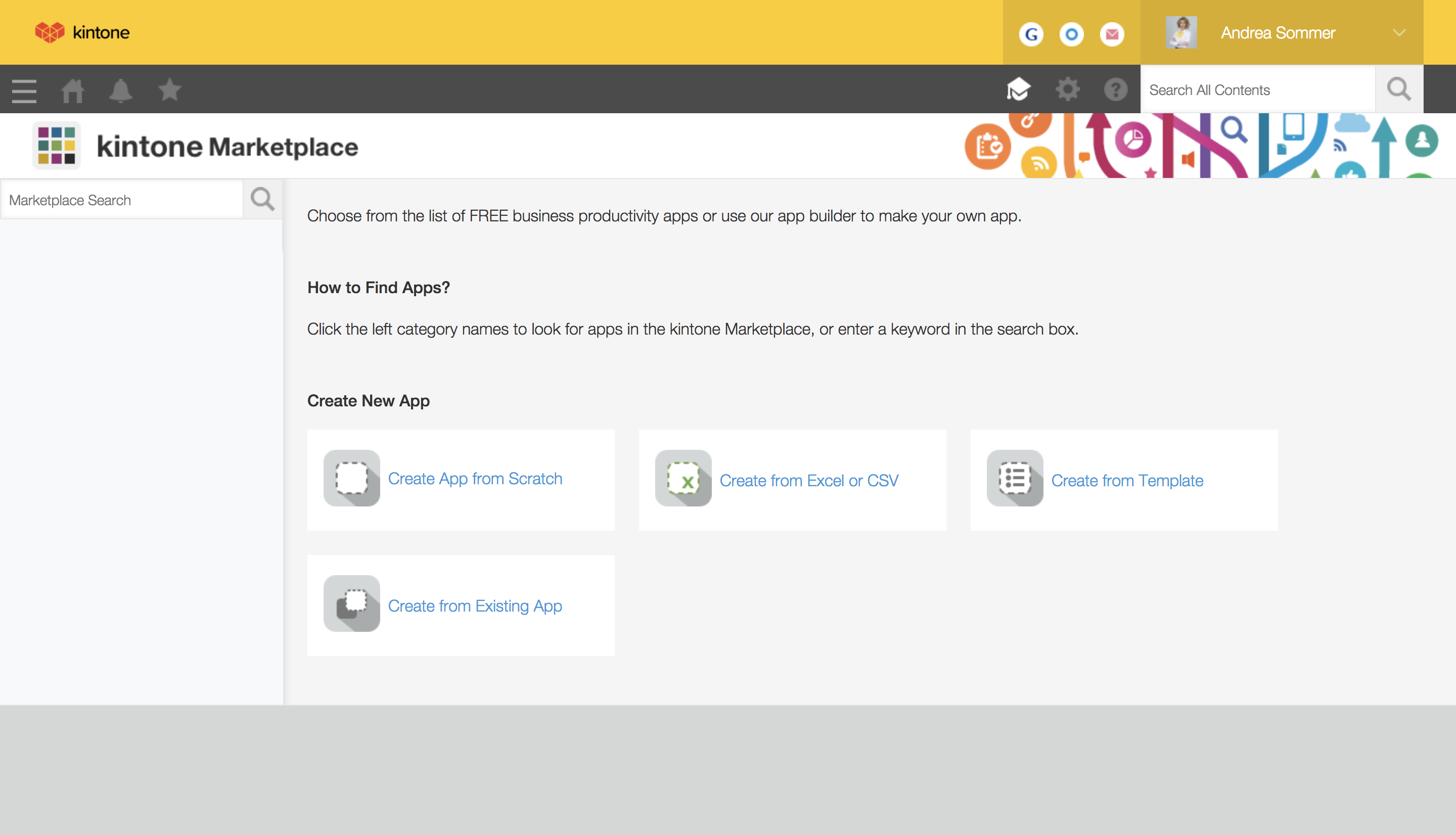   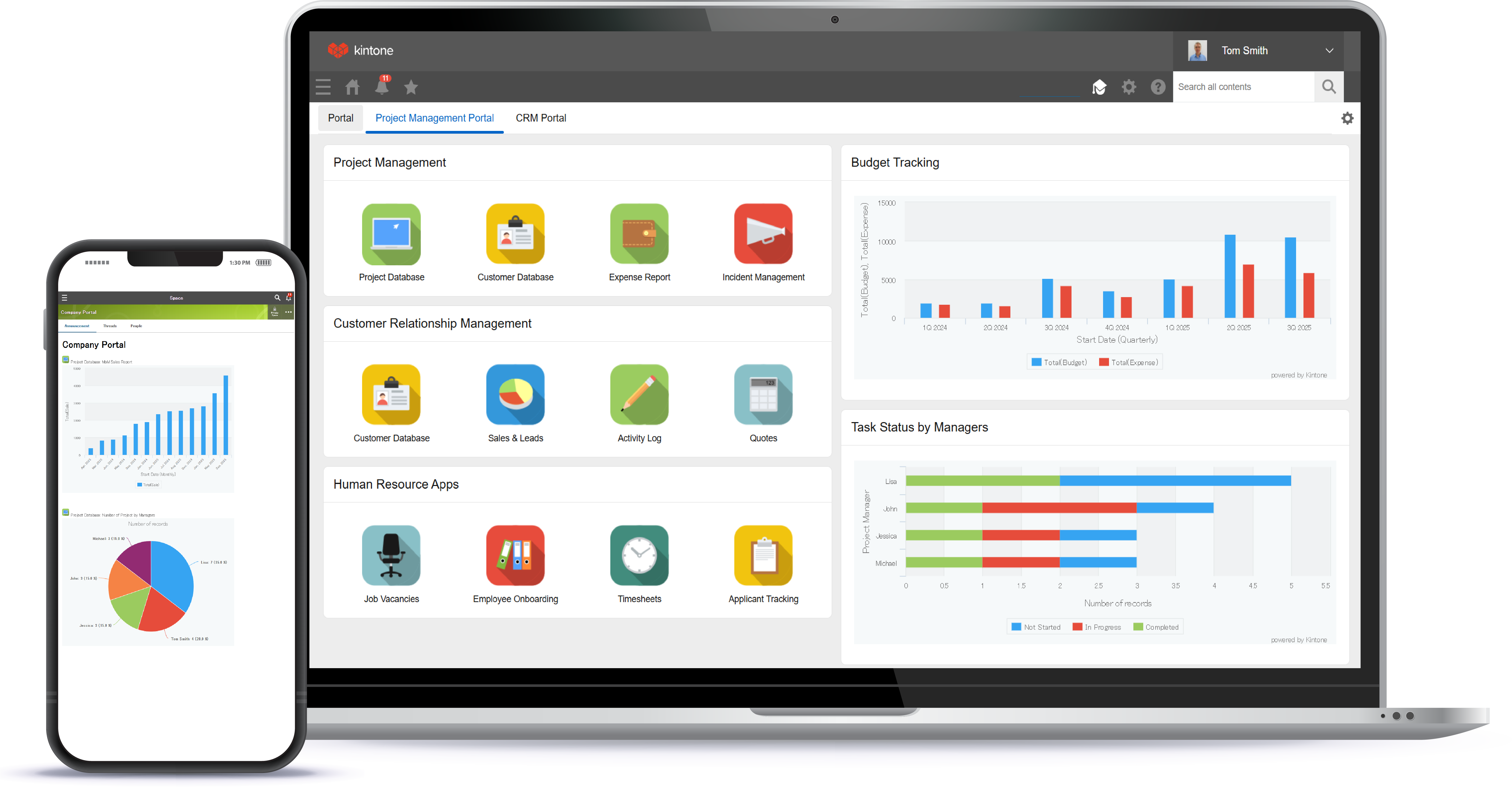 | Teamwork.com Screenshots     | Wrike Screenshots      |
