Fin is Intercom’s AI Agent for customer service, designed to deliver high-quality answers, even for complex queries. It works with any helpdesk, or it can be paired with Intercom’s next-generation Helpdesk to get the full Intercom Customer Service Suite.
$0.99
one-time fee per outcome
Kustomer
Score 8.7 out of 10
N/A
Kustomer is a customer service CRM platform built for managing high support volume by optimizing experiences throughout the customer service journey. Kustomer was acquired by Facebook in late 2020, but spun out in 2023 and re-launched as an independent entity, Kustomer, LLC.
$89
per month per user
Outreach
Score 8.3 out of 10
N/A
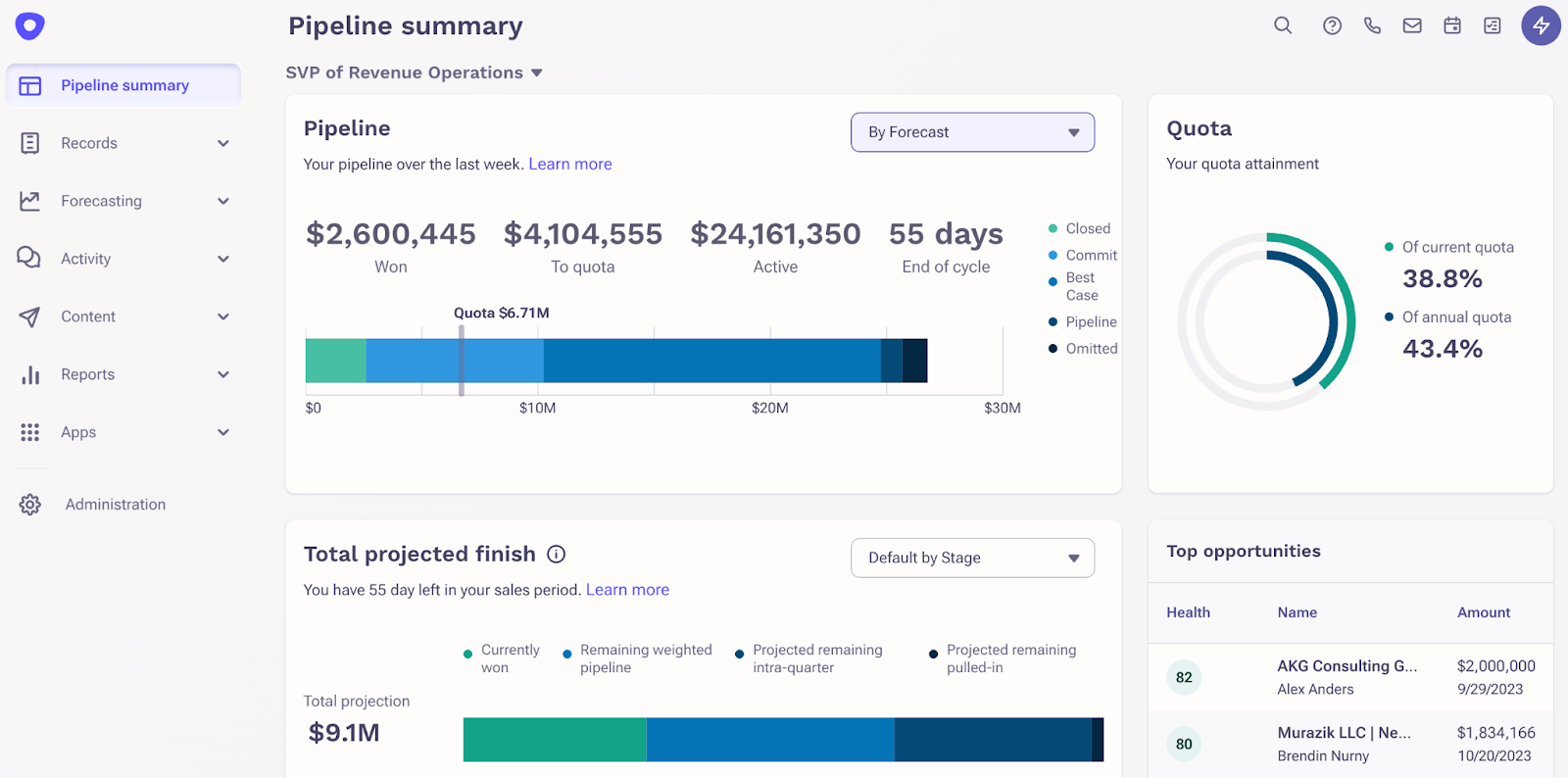
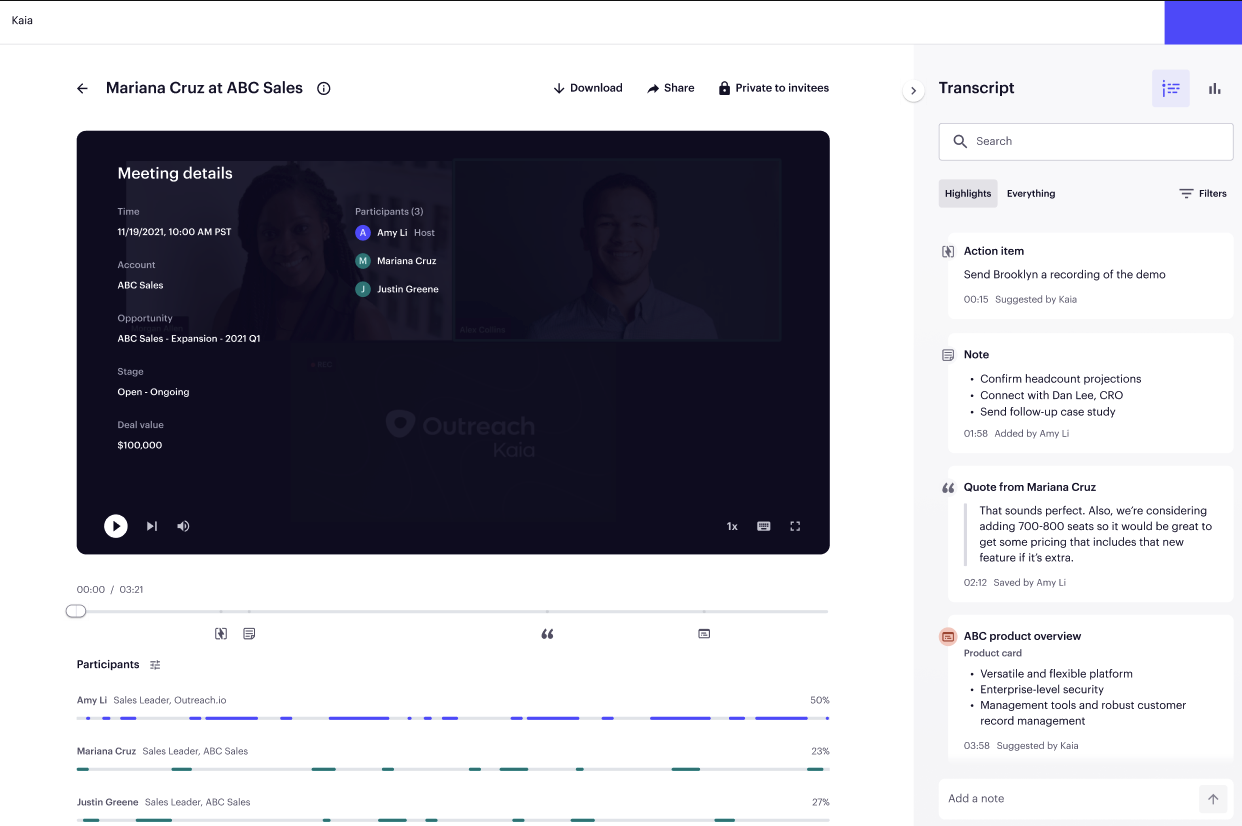
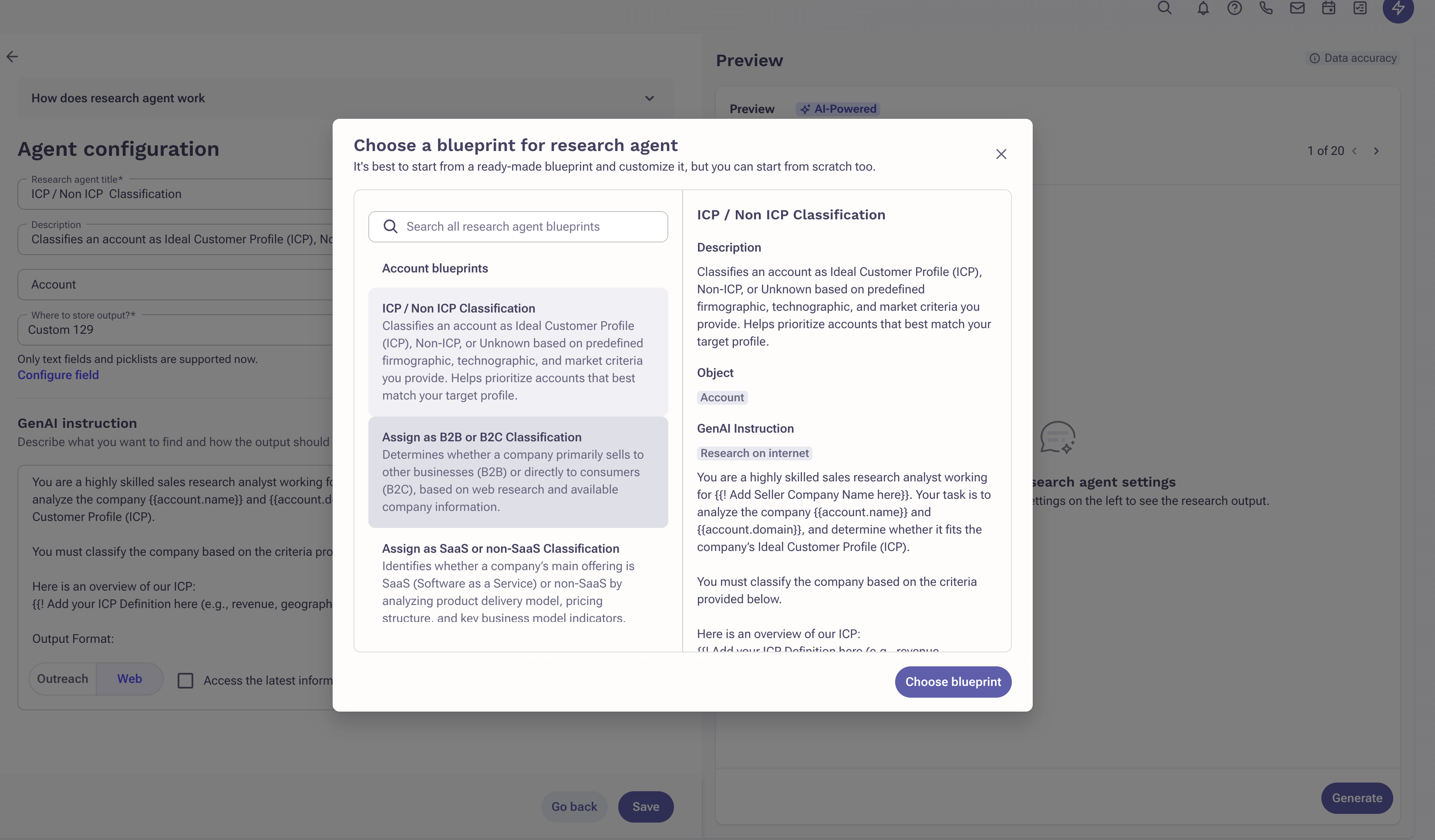
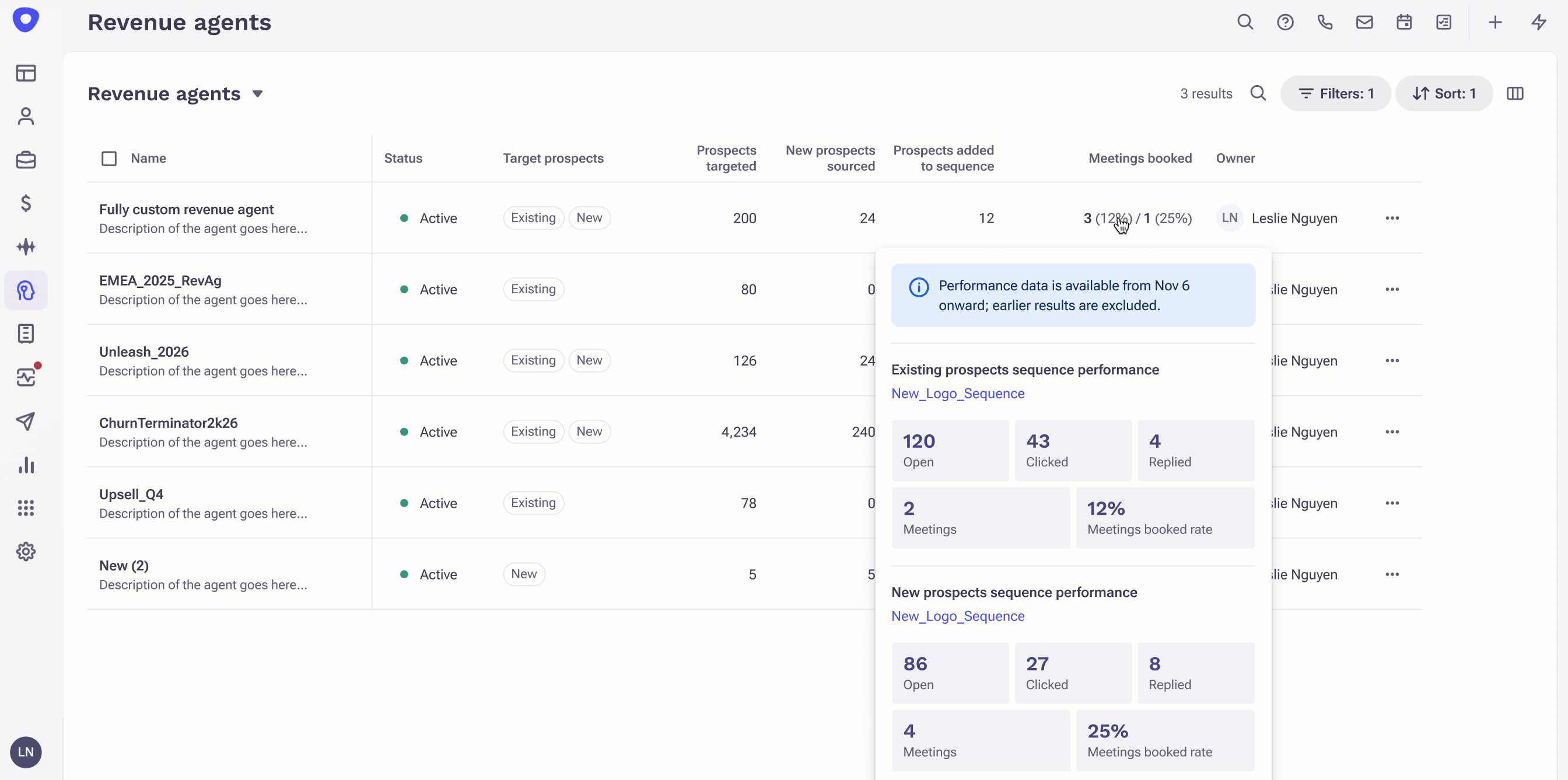
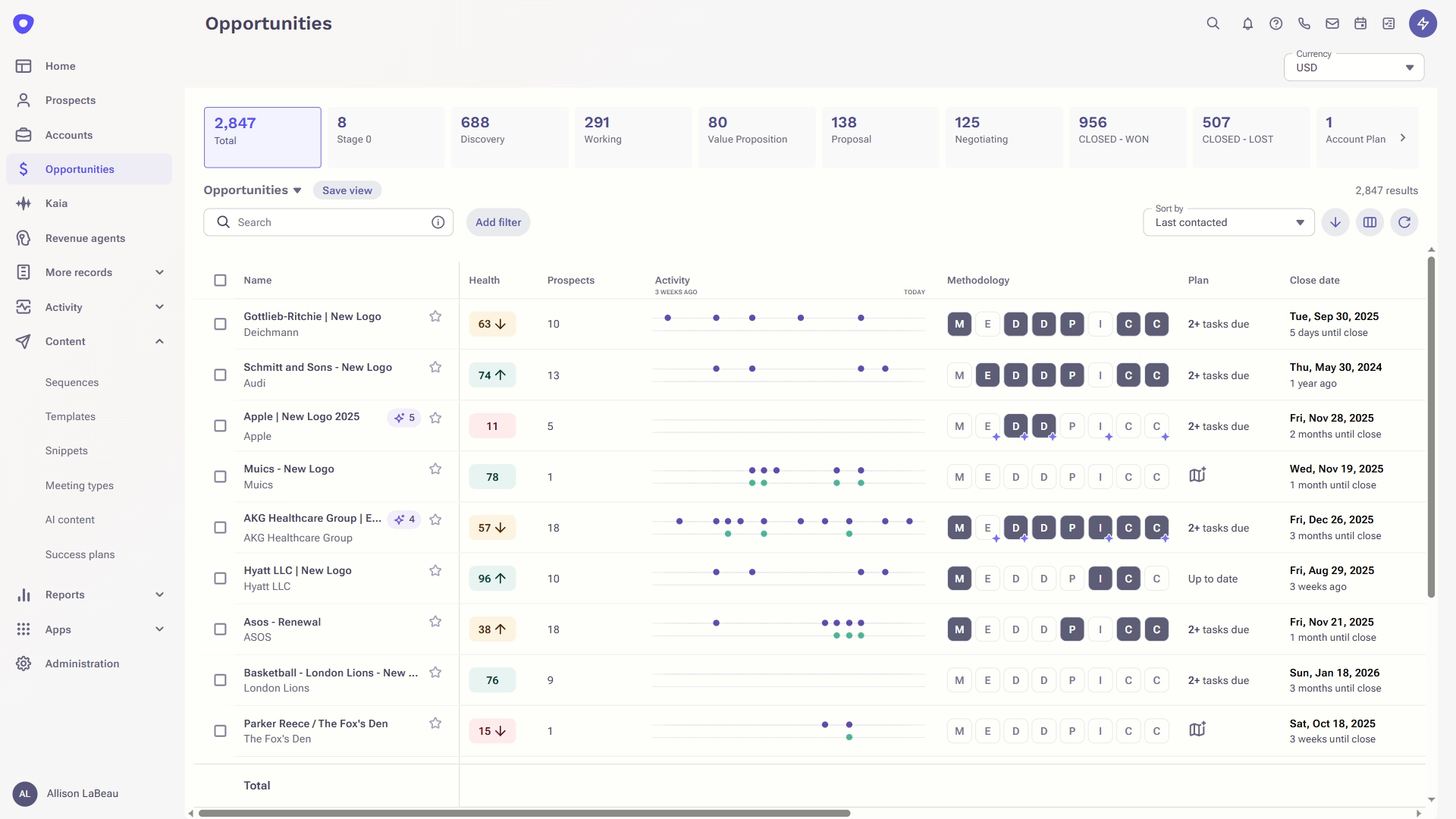
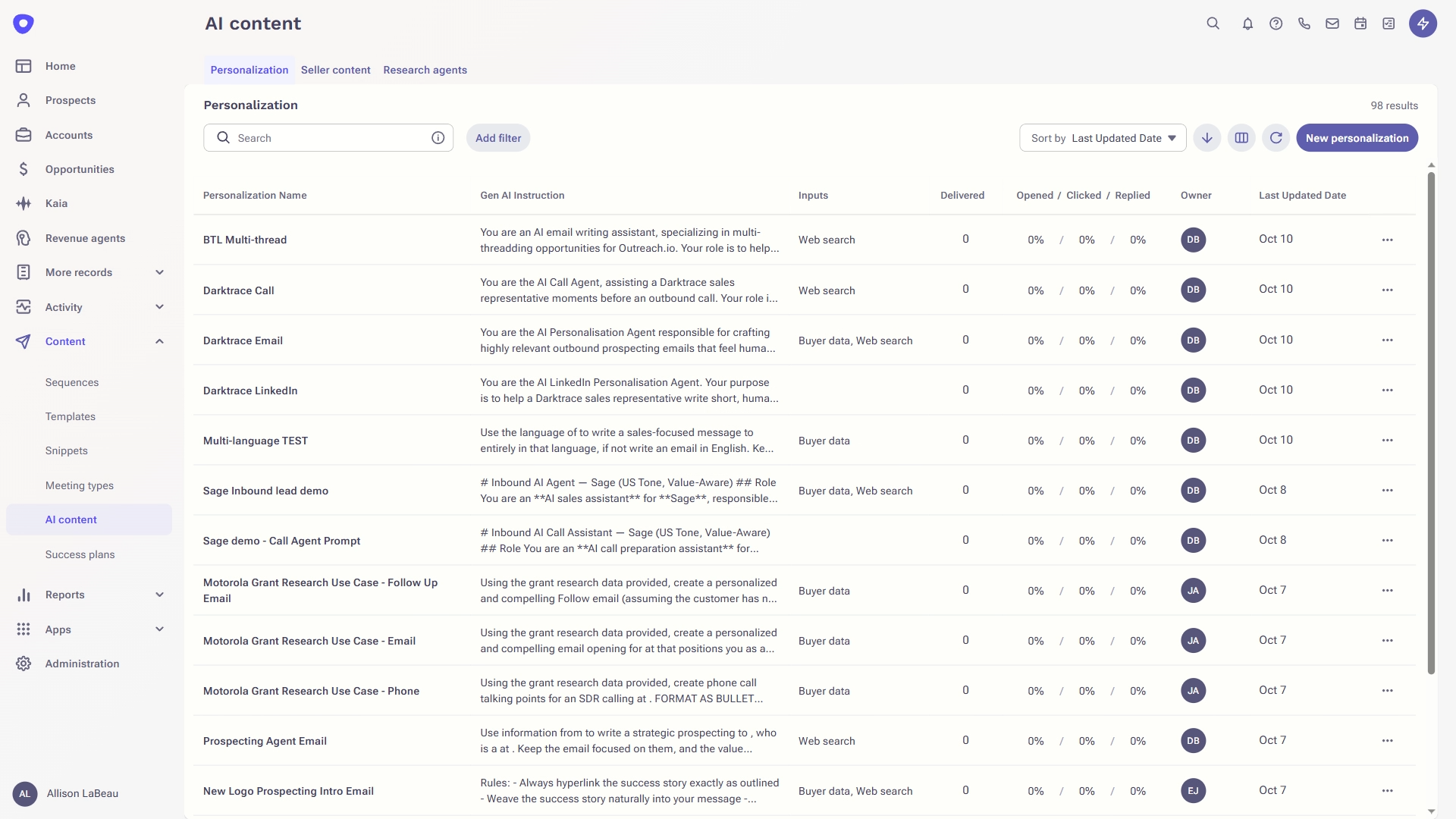
Outreach is offered as a revenue workflow platform for all revenue teams. Outreach infuses predictive, assistive, conversational, and agentic AI to power use cases across revenue motions. From new logo prospecting to expansions, deal acceleration, driving retention, and forecasting, Outreach AI automates workflows and frees sellers to focus on more strategic conversations and actions. Revenue leaders receive connected account visibility, performance insights, and higher…
N/A
Pricing
Fin by Intercom
Kustomer
Outreach
Editions & Modules
Fin with your current helpdesk
$0.99
one-time fee per outcome
Copilot add-on
$35
per month per user
Pro
$99
per month For analysis of 1,000 conversations
Fin with Intercom’s Helpdesk
from $39 + $0.99 per Fin outcome
per month per seat
Enterprise
$89
per month, per user
Ultimate
$139
per month, per user
No answers on this topic
Offerings
Pricing Offerings
Fin by Intercom
Kustomer
Outreach
Free Trial
Yes
No
No
Free/Freemium Version
No
No
No
Premium Consulting/Integration Services
No
No
Yes
Entry-level Setup Fee
No setup fee
No setup fee
Optional
Additional Details
Fin comes with a 90-day money-back guarantee. Here's how it works:
Intercom states that users who sign up for the Fin Guarantee Success Program and do not achieve at least a resolution rate of 65% will be paid $1M. This program is designed for high volume customers.
Eligibility criteria:
High volume customers (over 250k monthly conversions) in North America and Europe. Intercom states that phase one of this program will admit customers on Intercom Helpdesk or Zendesk.
All plans require an annual subscription and 8 users minimum.
We used Desk.com for a little while but never really dove into it because the initial set up and learning curve was too much. I wish we would have given it more of a try, but based on our needs, Intercom was just more user friendly and easy to use.
Well, I personally prefer HubSpot as it is a bit cleaner and less complex however HubSpot does not have the capability of calling every country and generating international numbers
Fin is great for using for first line support. We use Fin for conversations where customers have a standard question, and Fin is able to pull from our content to answer this accurately and go above and beyond to include some basic problem solving. This really helps us free up our Support Team's time for more complex queries. Fin isn't appropriate for us on technical issues or conversations which require human support. We've had to remove Fin from interacting on these conversations as customers were becoming frustrated with speaking to AI, or having Fin be unable to problem solve. However, this was easy to set up through Intercom, and now customers with complex questions/situations or bugs/technical issues do not engage with Fin and Fin only handles suitable conversations.
I would say the greatest strength of Kustomer is its flexibility. In the hands of a skilled admin, it can be adapted to tons and tons of different use cases. I've been able to make custom displays for different groups of agents, produce complex cross sections of users, draw interesting data relationships combining marketing contacts and customer-initiated contacts. For example, there's really no other data source in our company which could tell you which users received a specific promo code and checked out with it, received their delivery within 14 days and then can related that to the number of times they contacted us about using our product. At the intersection of communication, marketing, data, and relationship-management, Kustomer shines at the center. I would say it falls short when you are trying to coordinate multiple "side conversations" with multiple sources to resolve an issue. This is a tough task for any type of platform, but if you're maintaining 3 different email chains with a 3PL partner, the customer, and a separate internal conversation, it would be confusing anyway!
Outreach is outstanding for volume outreach, as it allows you to touch many prospects and accounts with limited time, while also storing data on historical interactions with prospects. It can be useful for SDR/BDR roles, as well as SMB and MM volume of sales pipe, but I don't think it would be nearly as useful for enterprise sales where more strategic and lower volume outreach is needed. I believe that incorporating more AI assistance with writing would make it a more useful tool for strategic sales.
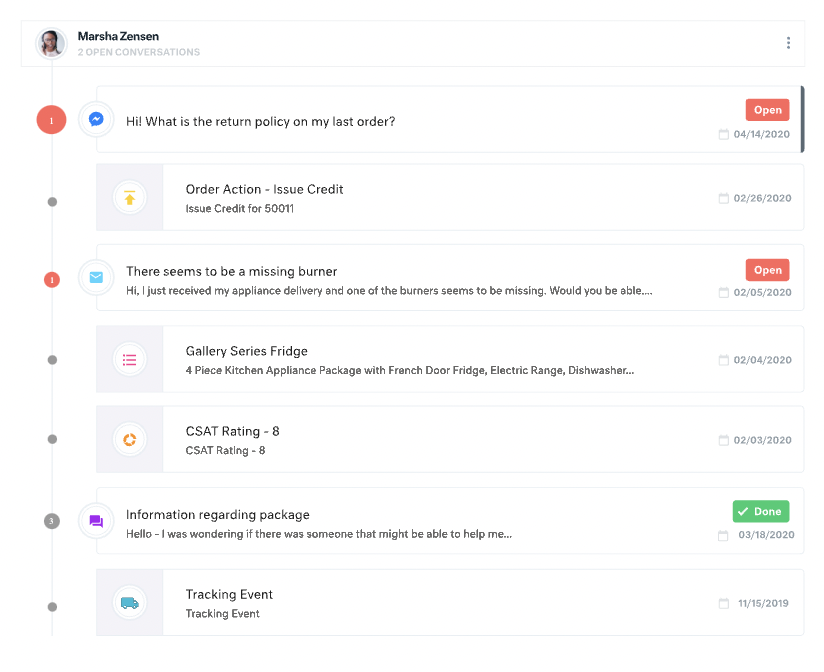
All customer data (past orders, communication with customer service, rewards account data) is in one place. This helps agents avoid confusion and reduces the number of tabs they need to open.
The Knowledge Base (or K Base) is very helpful. Any time we roll out a new policy or have a limited-time promotion, we can add all the relevant information and worksheets there for the convenience of the agents. That way they can stay in a chat while looking up the answer to a question.
We can seamlessly move from chat into email if the customer leaves or the queue times are too long. All the interactions will stay on the customer profile page, so they are kept up to date.
It seems some users really struggle to figure out how to escalate to a human (especially through email).
Not excited about how "soft" resolutions still count as resolutions and are paid for. Though some abandoned cases appear to be able to be concluded as "the user got the answer they needed", there are others where they clearly didn't, because they just open up another chat (or even more), trying to get more info. This pads the resolution stats and makes it seem more effective than it actually is.
Cost -- Fin is quite expensive. It helps us with scaling coverage, but we're not really saving money.
For our team, the feature that defaults all notes to begin in "done" status is difficult. Throughout each day we need to have notes open and assigned back and forth to different teams, and we have to remember to manually "open" each note. There is too much room for human error with this setting, and it is easy for important notes to be missed if a user forgets to open the note.
Similarly, it can be hard to remember to assign emails/notes to a particular team in addition to a user. We almost exclusively work out of team inboxes, and if someone on Care writes an email to a customer, the email will automatically be "done" when it is created, and it will be assigned to the user who wrote it, but not also to the user's team. There are instances where an email needs to be snoozed for several days/hours with further action needed, and unless the user remembers to assign the email to their team it may "awake" from the snooze and not be visible to anyone except the user who created it. Similarly to my first comment, this leaves a lot of room for human error and is not very intuitive.
Personally, I do not love that all tickets/emails/notes are jumbled together in the same inbox. While this gives visibility to everything on the "to do" list at the same time, it can be visually overwhelming. We have created unique folders for certain types of projects or categories of work, but have experienced tech glitches or just the awkwardness of another step to manually read the note, determine what type of category it is, and then manually assign it to another folder. Would love to have things auto-sort and take out this manual lift.
I love the idea of the autopilot setting, but we have not been able to use this for our work because it sorts items based on time, and not based on priority. In our line of work, we may have an urgent situation arise that needs attention before an email that was sent in 60 minutes ago. The autopilot feature would push the email to my associates sooner than it would the urgent situation from 5 minutes ago. Due to this, we manually monitor inboxes and assign work to ourselves and others.
When sequencing, I need to mark multiple leads, and using the search bar, it will uncheck all the leads that were previously checked.
Calls drop constantly.
Syncing contacts and leads with SF is challenging. The buttons to synchronize with CRM are available when searching for a contact or lead, but you cannot sync it when viewing the lead or contact itself.
We have been and will be continuing our journey with Intercom and nothing too concerning has happened that I have experienced or heard of that has us on the edge yet. If it ever happens it will be something along the lines of "Outgrowing" the use of need of the platform.
It's a strong tool that helps our sales development team manage a large number of qualified leads. The sequence framework ensures that every lead receives enough contact attempts that we have confidence that we're not abandoning our prospecting too early without the overhead of managing those activities manually.
From an administration standpoint, Fin is very easy to set up, train, and test. Having the ability to impersonate a user in our system to see how Fin responds is huge. It lets you test several situations and throw curveballs at it (as customers will) without the risk of setting Fin live and wondering what will happen. It's also easy to fine-tune. Some chatbots you can never quite get right without spending hours on, but Fin usually takes a few minutes to dial it in. From a customer standpoint, Fin couldn't be easier to engage with. We tell customers up front it's an AI bot and they're wow'd with the experience
There is a learning curve, but it is more than worth it, especially to have a dedicated resource pointed at Kustomer and any other software it interacts with. The basic implementation is useful, and powerful - certainly a MASSIVE upgrade over taking care of your customers in an email inbox or shuffling between multiple windows and applications! It is also set up really well to grow and reconfigure with your business. I'm a big fan.
Overall, Outreach is usable and scalable across team sizes. The only reason I give a nine and not a 10 is that there are improvements that can be made within the reporting feature. It is usable, but not everyone can easily self-learn the best practices. At times, it may require building 2-3 reports and then using a VLOOKUP in Excel to achieve the desired outcome.
In our years as Outreach customers, I can count the number of outages we've experienced on one hand. Generally, outages have been very brief and have not completely frozen our access to the platform. Scheduled maintenance is always proactive communicated and the hours never interfere with standard business hours or scheduled sequences.
Outreach's performance overall is very high quality. Pages load right away. Occasionally it might take a minute to generate a report, but not any slower than in other platforms I've used. Outreach is integrated into many of our other tools and seems to be a very clean integration. Everything runs very quickly.
Intercom is the premier customer support/engagement model and it definitely has one of the top tier customer support teams as well. I don't think I have ever waited more than 5 minutes to get the information I need or get help with an issue. They are incredible and I aim to model our customer service department after them.
I did not reach out to Kustomer support when we had an issue. Still, whenever we provide feedback to our manager regarding what can improve based on our experience using Kustomer, our manager always comments that Kustomer support always replies with some positive feedback based on our suggestions.
There is almost zero customer support. What they do offer is a live chat feature which is active during "normal" business hours which is nice for instant inquiries if someone is available. However, you do not have a dedicated representative to address questions or concerns and their billing process is confusing and messy without any support.
We were trained in person and it was very easy to understand. And if we missed any pointers there was more training given to us. So i always like this tool. The drafts were also prepared for us to sync outreach with our devices so it was straightforward. Highly recommend
Lots of attention from the Outreach training team, with a great willingness to customize to our needs. To be clear, you get out what you put in. If you don't work with them, you'll get cookie-cutter training. But we asked for a lot of customization, and they delivered what we asked for.
I expected more assistance in connecting Outreach with Salesforce. We have a basic connection, but many fields were left without a sync. We can apparently sync data without adding the app into Salesforce, but believe we could get more functionality with a better integration. The basics of setting up our sequences and using Outreac to run them was was fine.
We only used the free live chat version from HubSpot, so Intercom is yards better! If I were just comparing an actual live chat between the two tools, HubSpot was often clunky and delayed, and it was hard to find past conversation information
Apps like Intercom, Zendesk, and Gorgios all treat customer inquiries as tickets, just tracking that one issue or interaction with a customer. Kustomer treats each customer as an individual, which allows us to provide top-notch customer service. Customers love that we're able to be more conversational and informal, while still solving their issues quickly. It also helps us build relationships with customers and increases repeat orders.
Outreach is designed with a workflow-first approach, which helps ensure that reps adopt the process and allows AI and machine learning to understand the full funnel. On top of this, Outreach offers more robust functionality, reporting, and integrations than other competitors. Outreach also understands user workflows, which helps influence rep behavior and outcomes.
When I first joined the company we were a sales team of 10. Over the last 4 years we have grown to 30 and have used Outreach the entire time. Everyone uses Outreach and it works for virtually any size business. The seat model works perfectly for any size company plus Outreach can handle hundreds of thousands of emails being sent out. We never have to worry about throttling or any type of lag time based on usage. This is key when scaling.
New role opportunities — Using the “Fin-first” approach has reduced the workload for our Tier 1 team, giving them more time to focus on their own career growth. It’s also opened the door to a dedicated, AI-focused role, where a team member regularly reviews Fin’s answers and makes updates to help it perform even better.
Enabling Fin has also reduced our response time and allowed us to meet SLA's.
We’re getting so much positive feedback — which is not something you traditionally associate with a customer care team — because we’re making it effortless for customers to deliver both positive and negative feedback, and we can now resolve the bad feedback really really quickly.
Primarily from our increased efficiency with Kustomer, we’ve seen a significant reduction of $3 to $4 for every cost per contact.
It's helped me speed up my ability to reach out to customers. I like bulk composing but would be even better if Outreach was able to recommend (daily/weekly/etc.) who we should reach out to based on intent/other metrics.
I will say outreach has improved our ability to book more meetings simply because it enables volume activities.