
Kevin Horler
Project Director
Chose ActiveCollab

| Product | Rating | Most Used By | Product Summary | Starting Price |
|---|---|---|---|---|
 ActiveCollab | N/A | Active Collab is a project management solution built around features such as task management, collaboration, time tracking, and invoicing. | $8 per member/per month | |
 Atlassian Jira | N/A | Atlassian Jira is a project management tool, featuring an interactive timeline for mapping work items, dependencies, and releases, Scrum boards for agile teams, and out-of-the-box reports and dashboards. | $9 per month per user | |
 Basecamp | N/A | Basecamp is a web-based project-management tool. Basecamp offers features standard to project management platforms, as well as mobile accessibility, unlimited users, and 3rd party integrations. Basecamp is priced by space requirements and concurrent projects. | $15 per month per user |
| ActiveCollab | Atlassian Jira | Basecamp | ||||||||||||||||||||||
|---|---|---|---|---|---|---|---|---|---|---|---|---|---|---|---|---|---|---|---|---|---|---|---|---|
| Editions & Modules |
|
|
| |||||||||||||||||||||
| Offerings |
| |||||||||||||||||||||||
| Entry-level Setup Fee | $6.25 per member, per month, annual billing | No setup fee | No setup fee | |||||||||||||||||||||
| Additional Details | — | Higher volume teams may qualify buyers for a discount. | — | |||||||||||||||||||||
| More Pricing Information | ||||||||||||||||||||||||
| ActiveCollab | Atlassian Jira | Basecamp | |
|---|---|---|---|
| Considered Multiple Products |  ActiveCollab Kevin Horler Project Director Chose ActiveCollab  Jorden Beatty Digital Marketing Director Chose ActiveCollab We chose Active Collab overall because we liked its easy to use user interface, project management suite and agency/vendor/client interaction capabilities. We also chose it primarily because it was offered as a web-based platform that offered very clean and easy mobile access …  Mike Muller Executive Vice President Chose ActiveCollab ActiveCollab is easier to use and simpler in its setup. It has the right mix of features and simplicity. It's also project-oriented which is important for our workflow. Other tools are often too task-oriented, making it hard to track projects. Overall, ActiveCollab has a great …  Julia Romanchenko Digital Marketing Chose ActiveCollab ActiveCollab has fewer functions than Wrike and a simpler interface, but generally, the team collaboration purpose is fulfilled.  Ali Zakeri Data Analyst | SEO Specialist Chose ActiveCollab  Daniel Pacheco Consultor ADF Chose ActiveCollab  Sourav Singla ,Safe Agilist, CSP, ICP-ACC, CSM, CSPO, SSM, LSSG Enterprise Agile Coach Chose ActiveCollab |  Atlassian Jira  Jennifer Ferrell Program Manager Chose Atlassian Jira Jira Software was already the established enterprise standard supporting my clients’ globally distributed software teams. I feel strongly that no other product could deliver when compared to Jira Software.  Richard Davies Senior Web Application Developer Chose Atlassian Jira Jira has more features and is more flexible. It has features specifically designed for agile/Scrum-based methodologies which made it very appealing to us.  Harry Miller Technological Support Specialist Chose Atlassian Jira Among the solutions to develop projects, Jira stands out because it is a very solid tool for project management, problems can be tracked throughout the development life cycle. It can be integrated with other common tools, which adds an additional benefit of this.  Poorva Naswa Project Coordinator Chose Atlassian Jira I like that you can visually monitor many projects simultaneously. I like that you can add tickets and issues to the system relatively quickly and easily. The tool is pretty intuitive and it only takes a few attempts before you understand how the system works.  Richard Rout Software Developer Chose Atlassian Jira JIRA is the ultimate in project management software. Nothing else out there comes close to a complete solution that is customization the way you want, and integrates with almost every other application out there. You can write custom reports, you can set up workflows the way you … Sourav Singla ,Safe Agilist, CSP, ICP-ACC, CSM, CSPO, SSM, LSSG Enterprise Agile Coach Chose Atlassian Jira Though with JIRA you need to buy a lot of plugins but it is still cheaper than HP ALM or HPE Octane which is very costly. HP QC is a fully functional software lifecycle tool and probably strongest in its test management capabilities. But in Agile we don't need that extensive …  Bo Acimovic Director E-Commerce Chose Atlassian Jira What appealed to us with JIRA at first sight is pricing per user. It may sound funny, but for us this was better than pricing per number of projects. Most of our projects are ongoing. Once an initial development is done, we continue maintaining the software and keep track of … |  Basecamp  Andrea Hester Director Of Operations Chose Basecamp Basecamp is the best application we've found for our team to interface with external clients. It makes project management simple, and allows our clients visibility into their projects, which in turn builds trust, fosters open communication, and improves customer satisfaction. …  Robert Ross Director of Corporate Infrastructure Chose Basecamp [Basecamp is] simpler to use less ramp-up. It's cheaper per user and allows for a better mobile experience.  Blake Baron Senior Financial Analyst - Cost Analytics Chose Basecamp Pretty good, but [Basecamp] has its drawbacks. Honestly I find the interface non-intuitive and sometimes have trouble figuring out how to change the status of a task. Perhaps it has something to do with the way it was originally set up by the admin, but I'm not sure. I liked …  Shiva Krishna Oracle Cloud Procure to Pay Consultant Chose Basecamp We liked Basecamp as it was initially free to use for 30 days. Further, there were some interns in our project who used the product at their university.There were videos available on how to set up and use the product. For us, it was the convenience of setting it up and hit the …  Ryan Olsen 📱 Digital Marketing Manager Chose Basecamp Basecamp is perfect for small-time collaboration. It's suited for projects that need organization but not granular detail. When you need more than a simple little bit of help, you'll be looking at other solutions at that point. Very straight forward and to the point but that is …  Prashant Mahajan Senior Product Manager Chose Basecamp I like Basecamp for our use case in Marketing and Design. For Engineering or Product Management, I like JIRA.  Yosa Addiss KCDMA VP of Special Events Chose Basecamp Basecamp is more entry level and has a much easier set up than most of the competitors. I greatly prefer Trello, but when I am working with new marketers they always suggest Basecamp. Basecamp is good, but it is just so easy to get the multiple pieces of a project jumbled …  Nathan Sichilongo Regional Manager Chose Basecamp  Himanshu Singh Product Manager Chose Basecamp  Britta Byer Producer Chose Basecamp Basecamp is great for simple projects. I think it is as useful as Banana Scrum, but with a better UI. I have also used Rally and Jira for managing larger technical projects. The additional level of detail in these programs is more appropriate for larger development projects.  Luke Underwood Director of Content & Optimisation Chose Basecamp I've used Jira for similar tasks. I find Basecamp to have a better user interface (less cluttered, more intuitive) and the ability to get team members up to speed quickly is a big factor in our successful adoption of the tool.  Aaron Price Interactive Project Manager Chose Basecamp More user-friendly, but less-powerful.  Jenni Waggoner Marketing Content Manager | Social Media | Newsletter | Blog | White Papers Chose Basecamp Looked at
|
| ActiveCollab | Atlassian Jira | Basecamp | |||||||||||||||||||||||||||||||||||||||||||||||||||||||||||
|---|---|---|---|---|---|---|---|---|---|---|---|---|---|---|---|---|---|---|---|---|---|---|---|---|---|---|---|---|---|---|---|---|---|---|---|---|---|---|---|---|---|---|---|---|---|---|---|---|---|---|---|---|---|---|---|---|---|---|---|---|---|
| Project Management |
| ||||||||||||||||||||||||||||||||||||||||||||||||||||||||||||
| Professional Services Automation |
|
| ActiveCollab | Atlassian Jira | Basecamp | |
|---|---|---|---|
| Small Businesses |  Stackby Score 8.9 out of 10 | Stackby Score 8.9 out of 10 | Stackby Score 8.9 out of 10 |
| Medium-sized Companies |  InEight Score 8.3 out of 10 | InEight Score 8.3 out of 10 | InEight Score 8.3 out of 10 |
| Enterprises | InEight Score 8.3 out of 10 | InEight Score 8.3 out of 10 | InEight Score 8.3 out of 10 |
| All Alternatives | View all alternatives | View all alternatives | View all alternatives |
| ActiveCollab | Atlassian Jira | Basecamp | |
|---|---|---|---|
| Likelihood to Recommend | 1.6 (13 ratings) | 8.3 (221 ratings) | 9.9 (150 ratings) |
| Likelihood to Renew | - (0 ratings) | 8.5 (37 ratings) | 10.0 (26 ratings) |
| Usability | - (0 ratings) | 7.8 (62 ratings) | 9.3 (20 ratings) |
| Availability | - (0 ratings) | 8.0 (4 ratings) | 10.0 (5 ratings) |
| Performance | - (0 ratings) | 8.0 (2 ratings) | 7.3 (4 ratings) |
| Support Rating | 7.1 (3 ratings) | 8.0 (24 ratings) | 8.8 (28 ratings) |
| In-Person Training | - (0 ratings) | 8.0 (1 ratings) | - (0 ratings) |
| Online Training | - (0 ratings) | 8.0 (2 ratings) | 5.0 (1 ratings) |
| Implementation Rating | - (0 ratings) | 9.0 (1 ratings) | 7.7 (4 ratings) |
| Configurability | - (0 ratings) | 8.0 (1 ratings) | 8.0 (1 ratings) |
| Contract Terms and Pricing Model | - (0 ratings) | 8.0 (1 ratings) | - (0 ratings) |
| Ease of integration | - (0 ratings) | 8.0 (9 ratings) | - (0 ratings) |
| Product Scalability | - (0 ratings) | 8.0 (1 ratings) | - (0 ratings) |
| ActiveCollab | Atlassian Jira | Basecamp | |
|---|---|---|---|
| Likelihood to Recommend | ActiveCollab
Sourav Singla ,Safe Agilist, CSP, ICP-ACC, CSM, CSPO, SSM, LSSG Enterprise Agile Coach | Atlassian
| 37signals
Andrea Hester Director Of Operations |
| Pros | ActiveCollab
Jorden Beatty Digital Marketing Director | Atlassian
| 37signals
|
| Cons | ActiveCollab
| Atlassian
| 37signals
 Heather Miller Senior Graphic Designer |
| Likelihood to Renew | ActiveCollab No answers on this topic | Atlassian
 Dustin Ghia Lead Consultant - Solutions Architect - Software Engineer | 37signals
|
| Usability | ActiveCollab No answers on this topic | Atlassian
| 37signals
 James Roy Office Manager |
| Reliability and Availability | ActiveCollab No answers on this topic | Atlassian
| 37signals
 Lisa Keyser Developer & Designer |
| Performance | ActiveCollab No answers on this topic | Atlassian
| 37signals No answers on this topic |
| Support Rating | ActiveCollab
| Atlassian
| 37signals
|
| In-Person Training | ActiveCollab No answers on this topic | Atlassian
| 37signals No answers on this topic |
| Online Training | ActiveCollab No answers on this topic | Atlassian
| 37signals No answers on this topic |
| Implementation Rating | ActiveCollab No answers on this topic | Atlassian
Bo Acimovic Director E-Commerce | 37signals
Jenni Waggoner Marketing Content Manager | Social Media | Newsletter | Blog | White Papers |
| Alternatives Considered | ActiveCollab
Mike Muller Executive Vice President | Atlassian
| 37signals
Blake Baron Senior Financial Analyst - Cost Analytics |
| Contract Terms and Pricing Model | ActiveCollab No answers on this topic | Atlassian
| 37signals No answers on this topic |
| Scalability | ActiveCollab No answers on this topic | Atlassian
| 37signals No answers on this topic |
| Return on Investment | ActiveCollab
Ali Zakeri Data Analyst | SEO Specialist | Atlassian
 kunal mathur Senior Product Designer | 37signals
|
| ScreenShots | ActiveCollab Screenshots 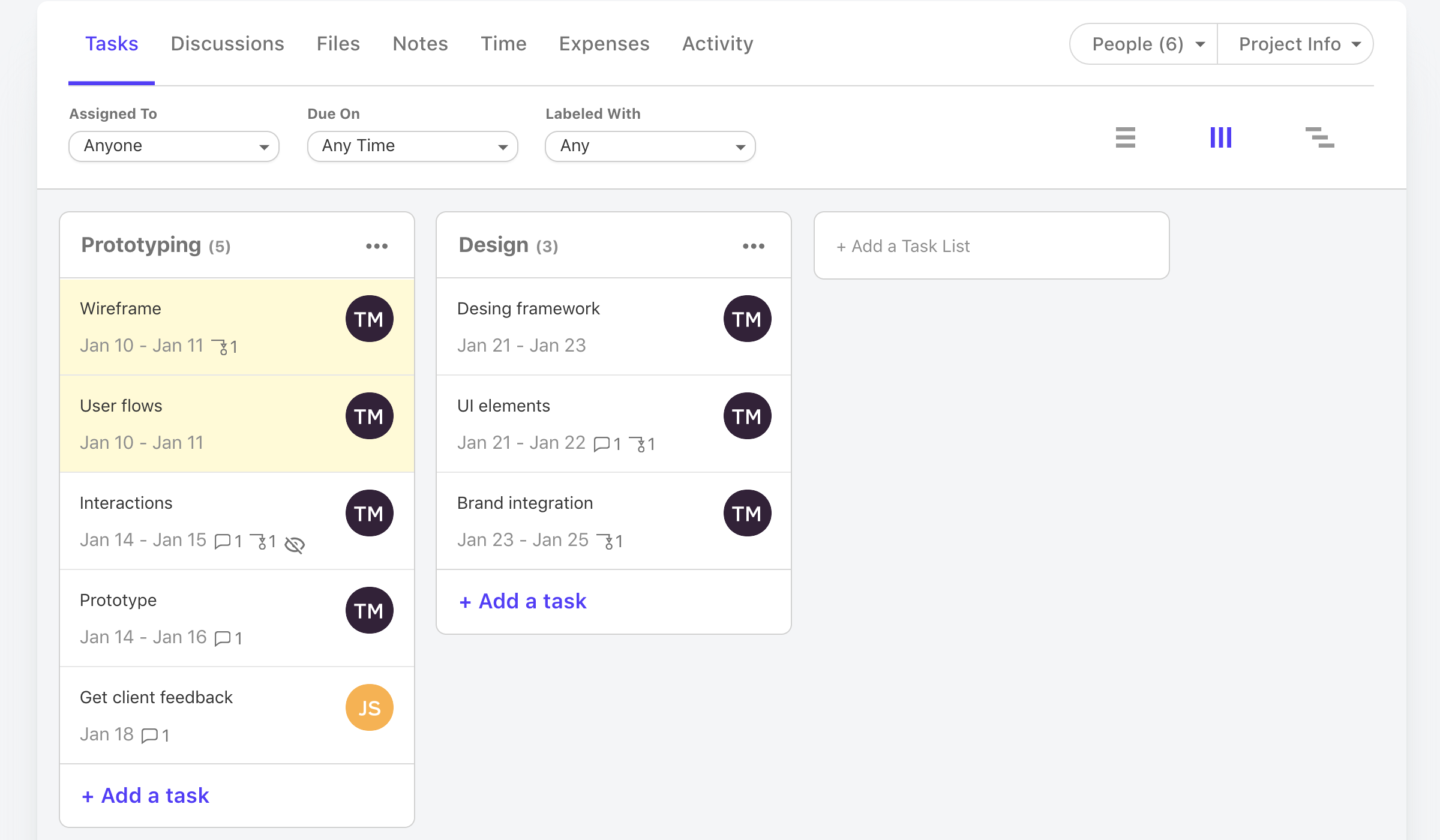   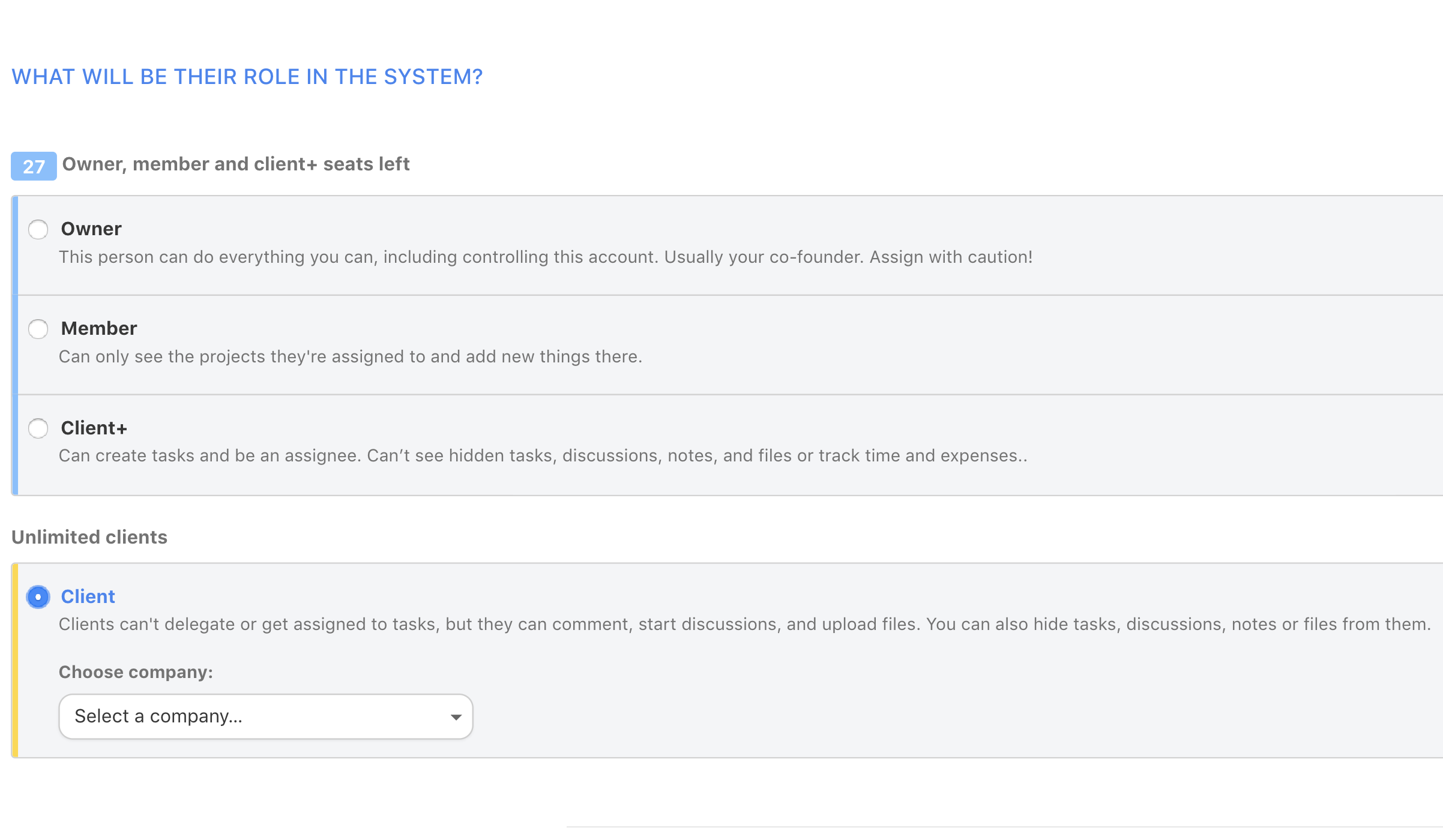  |
