
Nathan Sichilongo
Regional Manager
Chose Basecamp

| Product | Rating | Most Used By | Product Summary | Starting Price |
|---|---|---|---|---|
 Basecamp | N/A | Basecamp is a web-based project-management tool. Basecamp offers features standard to project management platforms, as well as mobile accessibility, unlimited users, and 3rd party integrations. Basecamp is priced by space requirements and concurrent projects. | $15 per month per user | |
 monday.com | Mid-Size Companies (51-1,000 employees) | monday.com Work OS is an open platform designed so that anyone can create the tools they need to run all aspects of their work. It includes ready-made templates or the ability to customize any work solution ranging from sales pipelines to marketing campaigns, CRMs, and project tracking. | $36 per month (3 seats) | |
 Pipedrive | N/A | Pipedrive is a customer relationship management (CRM) software built to help small teams to drive sales. | $24 per month per seat |
| Basecamp | monday.com | Pipedrive | ||||||||||||||||||||||
|---|---|---|---|---|---|---|---|---|---|---|---|---|---|---|---|---|---|---|---|---|---|---|---|---|
| Editions & Modules |
|
|
| |||||||||||||||||||||
| Offerings |
| |||||||||||||||||||||||
| Entry-level Setup Fee | No setup fee | No setup fee | No setup fee | |||||||||||||||||||||
| Additional Details | — | Yearly plan: Save 18% Monthly plan also available | Monthly plans are available. The Essentials monthly plan at $24 per month. | |||||||||||||||||||||
| More Pricing Information | ||||||||||||||||||||||||
| Basecamp | monday.com | Pipedrive | |
|---|---|---|---|
| Considered Multiple Products |  Basecamp Nathan Sichilongo Regional Manager Chose Basecamp  Jared DeLong Onboarding & Services Manager Chose Basecamp Basecamp is probably towards the bottom of the totem pole here based on what our needs were. Trello lacks reporting as well, but there's much more customization with Trello. Asana has more reporting and integration capabilities. monday.com is my favorite so far. The amount of …  Andrea Hester Director Of Operations Chose Basecamp Basecamp is the best application we've found for our team to interface with external clients. It makes project management simple, and allows our clients visibility into their projects, which in turn builds trust, fosters open communication, and improves customer satisfaction. …  Robert Ross Director of Corporate Infrastructure Chose Basecamp [Basecamp is] simpler to use less ramp-up. It's cheaper per user and allows for a better mobile experience.  Jason Vance Owner Chose Basecamp There is a simplicity that basecamp offers where most other project management systems seem to miss. They've worked hard at keeping the right things in place and not adding so many of the extra features that just get in the way of getting work done. The thing I liked most …  Kelly Reumann Lead Graphic Design Specialist/ Social Media Marketer Chose Basecamp Basecamp is a similar type of software but is on a totally different playing field than Monday. Basecamp is definitely a lot more bare bones, it is a task tracking software and that is all. Basecamp is more of a "To Do" list where as Monday is a full-on task scheduling, time …  Horacio Carcamo Product Development Asst. Chose Basecamp Haven't tried any other software or platform other than Basecamp, but before the purchase process we reviewed other products and they seem very similar and the decision that got us to buy Basecamp was because of the price and the understanding of the web page related to the … |  monday.com  Joey Todd Family Pastor Chose monday.com  Cassie Criminger Youth Ministries Art Director Chose monday.com  Michelle Braun Curriculum Manager Chose monday.com I've used Basecamp, Central Desktop & SharePoint in the past. And they're fine. But this had a nicer user-interface and a free trial period to let me use it and determine if it could be useable by the team.  Adam Montgomery Energy Efficiency Consultant Chose monday.com Basecamp has some very nice project management features but Monday.com really focuses on task management and keeping teams accountable/organized. We fell in love with the visual task boards that Monday.com offers and that's why we chose to go with it. We also really enjoyed …  Josh Edney Executive Pastor Chose monday.com Although monday.com costs more than the other services, it can handle more as a platform. The functions, features, integrations, and automations allow you to do so much more than, than just keeping track of project & task deadlines.  Brian Chung Co-Founder Chose monday.com Monday.com is definitely a good platform—it has the things you need if someone is looking for a project management software, but we found Airtable and Google Sheets as fine alternatives to what we wanted at a lower price. Teamwork was also good and they had a free version for …  Joshua VanMeter Digital Marketing Director Chose monday.com Monday.com has been the first task management/project management tool we have assessed that met every need our digital agency requires. And to top it all off, we've had an amazing time with the customer support team, who have been helpful and timely in their assistance. We …  Joseph Madere Learning Management System Analyst -- CornerstoneOnDemand Chose monday.com We selected monday for the user interface. The idea we had in mind for how we wanted to set up updates and workflows just aligned perfectly well with that monday offered. we had to create accounts for everyone but once the setup/homework was complete the workflows fell into …  Ariel Levin Managing Partner Chose monday.com For onboarding, task management, and dashboard view we prefer the monday experience to other alternatives.  Cait Grady Sales and Marketing Coordinator Chose monday.com dapulse is much more organised in terms of the platform functionality and general layout. It's easier to use and easier to use as a group tool and central hub for our team.  Andy Ryan Video Marketing Strategist | Speaker | Consultant Chose monday.com Dapulse is great for team checklists and assigning tasks. It is a great way to see everything in one spot. I like that I don't have to sign out and into another system to see other projects. It gives me a good look at what needs to be done and by whom. |  Pipedrive  Stefan Trbojevic CCC Team Lead Chose Pipedrive Pipedrive gives you a nice versatility over some other CRM software, but it comes at the price of customization, work automation and bulk contacting. There are however lots of integrations with other software and lots of upgrades that you could purchase but it's a bit too … |
| Basecamp | monday.com | Pipedrive | |||||||||||||||||||||||||||||||||||||||||||||||||||||||||||
|---|---|---|---|---|---|---|---|---|---|---|---|---|---|---|---|---|---|---|---|---|---|---|---|---|---|---|---|---|---|---|---|---|---|---|---|---|---|---|---|---|---|---|---|---|---|---|---|---|---|---|---|---|---|---|---|---|---|---|---|---|---|
| Project Management |
| ||||||||||||||||||||||||||||||||||||||||||||||||||||||||||||
| Professional Services Automation |
| ||||||||||||||||||||||||||||||||||||||||||||||||||||||||||||
| Sales Force Automation |
| ||||||||||||||||||||||||||||||||||||||||||||||||||||||||||||
| Customer Service & Support |
| ||||||||||||||||||||||||||||||||||||||||||||||||||||||||||||
| Marketing Automation |
| ||||||||||||||||||||||||||||||||||||||||||||||||||||||||||||
| CRM Project Management |
| ||||||||||||||||||||||||||||||||||||||||||||||||||||||||||||
| CRM Reporting & Analytics |
| ||||||||||||||||||||||||||||||||||||||||||||||||||||||||||||
| Customization |
| ||||||||||||||||||||||||||||||||||||||||||||||||||||||||||||
| Security |
| ||||||||||||||||||||||||||||||||||||||||||||||||||||||||||||
| Social CRM |
| ||||||||||||||||||||||||||||||||||||||||||||||||||||||||||||
| Integrations with 3rd-party Software |
| ||||||||||||||||||||||||||||||||||||||||||||||||||||||||||||
| Platform |
|
| Basecamp | monday.com | Pipedrive | |
|---|---|---|---|
| Small Businesses |  Stackby Score 8.9 out of 10 | Stackby Score 8.9 out of 10 |  Salesmate Score 10.0 out of 10 |
| Medium-sized Companies |  InEight Score 8.3 out of 10 | InEight Score 8.3 out of 10 |  Creatio Score 9.0 out of 10 |
| Enterprises | InEight Score 8.3 out of 10 | InEight Score 8.3 out of 10 | Creatio Score 9.0 out of 10 |
| All Alternatives | View all alternatives | View all alternatives | View all alternatives |
| Basecamp | monday.com | Pipedrive | |
|---|---|---|---|
| Likelihood to Recommend | 9.9 (150 ratings) | 8.6 (2256 ratings) | 8.0 (71 ratings) |
| Likelihood to Renew | 10.0 (26 ratings) | 9.1 (32 ratings) | 8.0 (3 ratings) |
| Usability | 9.3 (20 ratings) | 8.4 (2185 ratings) | 9.0 (25 ratings) |
| Availability | 10.0 (5 ratings) | 8.2 (8 ratings) | 8.2 (1 ratings) |
| Performance | 7.3 (4 ratings) | 8.6 (8 ratings) | - (0 ratings) |
| Support Rating | 8.8 (28 ratings) | 8.1 (1903 ratings) | 8.5 (15 ratings) |
| In-Person Training | - (0 ratings) | 9.1 (1 ratings) | - (0 ratings) |
| Online Training | 5.0 (1 ratings) | 9.1 (4 ratings) | - (0 ratings) |
| Implementation Rating | 7.7 (4 ratings) | 9.1 (7 ratings) | 8.2 (1 ratings) |
| Configurability | 8.0 (1 ratings) | 8.2 (6 ratings) | - (0 ratings) |
| Ease of integration | - (0 ratings) | 9.0 (6 ratings) | - (0 ratings) |
| Product Scalability | - (0 ratings) | 6.9 (8 ratings) | - (0 ratings) |
| Vendor post-sale | - (0 ratings) | 9.0 (6 ratings) | - (0 ratings) |
| Vendor pre-sale | - (0 ratings) | 9.0 (6 ratings) | - (0 ratings) |
| Basecamp | monday.com | Pipedrive | |
|---|---|---|---|
| Likelihood to Recommend | 37 Signals
Andrea Hester Director Of Operations | monday.com
 Micah King Sr. IT Security Administrator | Pipedrive Inc.
|
| Pros | 37 Signals
| monday.com
| Pipedrive Inc.
|
| Cons | 37 Signals
 Heather Miller Senior Graphic Designer | monday.com
| Pipedrive Inc.
 Mark Rueckert Sales Director |
| Likelihood to Renew | 37 Signals
| monday.com
| Pipedrive Inc.
|
| Usability | 37 Signals
 James Roy Office Manager | monday.com
 Brandon Stokes Customer Operations Enablement Manager | Pipedrive Inc.
 Adil Khan Robin Front-end Developer| Team Lead |
| Reliability and Availability | 37 Signals
 Lisa Keyser Developer & Designer | monday.com
| Pipedrive Inc. No answers on this topic |
| Performance | 37 Signals No answers on this topic | monday.com
| Pipedrive Inc. No answers on this topic |
| Support Rating | 37 Signals
| monday.com
| Pipedrive Inc.
|
| Online Training | 37 Signals No answers on this topic | monday.com
| Pipedrive Inc. No answers on this topic |
| Implementation Rating | 37 Signals
 Jenni Waggoner Marketing Content Manager | Social Media | Newsletter | Blog | White Papers | monday.com
Joseph Madere Learning Management System Analyst -- CornerstoneOnDemand | Pipedrive Inc.
 Ed Juline Director of Sales |
| Alternatives Considered | 37 Signals
 Blake Baron Senior Financial Analyst - Cost Analytics | monday.com
 Joshua Rodriguez Digital Strategy Manager | Pipedrive Inc.
|
| Scalability | 37 Signals No answers on this topic | monday.com
| Pipedrive Inc. No answers on this topic |
| Return on Investment | 37 Signals
| monday.com
| Pipedrive Inc.
|
| ScreenShots | monday.com Screenshots 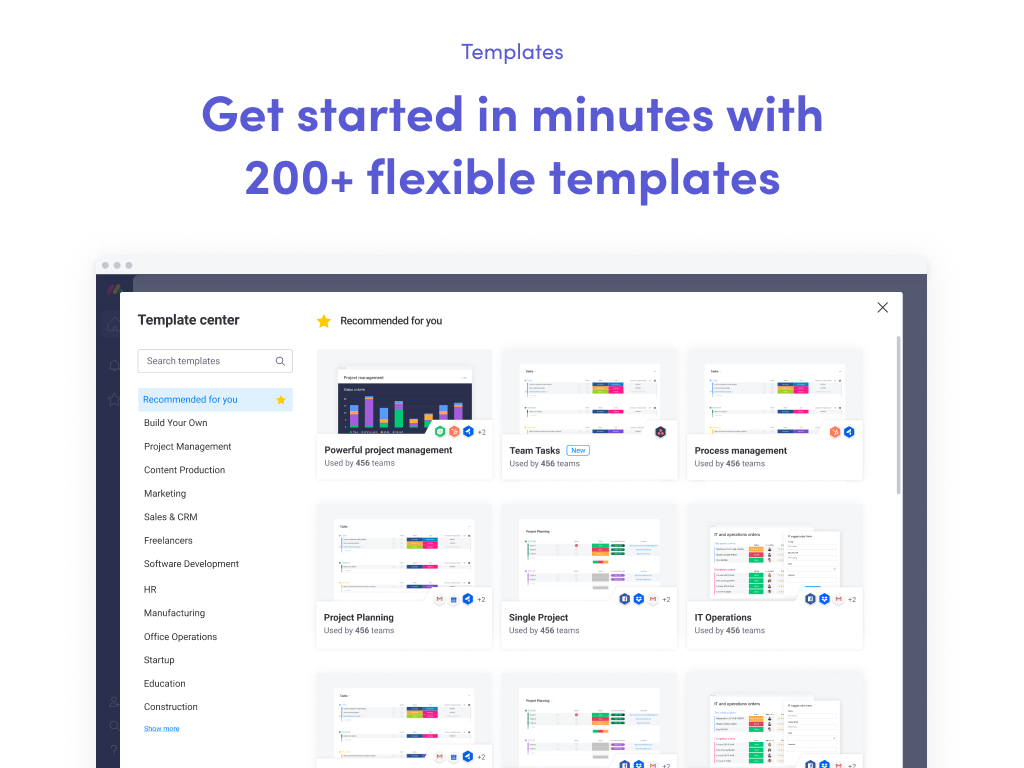     | Pipedrive Screenshots      |
