
DbVisualizer vs. Oracle Autonomous Database
| Product | Rating | Most Used By | Product Summary | Starting Price |
|---|---|---|---|---|
 DbVisualizer | Score9.6 out of 10 | N/A | DbVisualizer is a universal database client and SQL tool for developers, analysts, DBAs, data engineers, and anyone who works with data, from beginner developers and startups to professional teams managing complex database environments. It provides a graphical interface for exploring database structures, managing schemas and database objects, and running SQL queries across multiple database systems through JDBC drivers, including MySQL, PostgreSQL, SQL Server,… | $0 |
 Oracle Autonomous Database | Score8.5 out of 10 | N/A | Oracle Autonomous Database provides a self-driving, self-securing, self-repairing cloud service that eliminate the overhead and human errors associated with traditional database administration. Oracle Autonomous Database takes care of configuration, tuning, backup, patching, encryption, scaling, and more. | N/A |
| DbVisualizer | Oracle Autonomous Database | |||||||||||||||
|---|---|---|---|---|---|---|---|---|---|---|---|---|---|---|---|---|
| Editions & Modules |
| No answers on this topic | ||||||||||||||
| Offerings |
| |||||||||||||||
| Entry-level Setup Fee | Optional | Optional | ||||||||||||||
| Additional Details | New license cost includes a perpetual license, software upgrades and support for the length of the term. 1, 2 & 3 year terms are offered. Once license expires the user may access all Pro versions released before the license expiry indefinitely. To gain access to Pro versions released after the license expired, license renewal is offered. Volume discounts apply to both new and renewal licenses. | — | ||||||||||||||
| More Pricing Information | ||||||||||||||||
| DbVisualizer | Oracle Autonomous Database | |
|---|---|---|
| Considered Both Products | No answer on this topic | No answer on this topic |
| Key User Insights | ||
| Would buy again | ||
100% Would buy again 60 Answers | 98% Would buy again 47 Answers | |
| Delivers good value for the price | ||
98% Delivers good value for the price 57 Answers | 95% Delivers good value for the price 39 Answers | |
| Happy with the feature set | ||
98% Happy with the feature set 59 Answers | 98% Happy with the feature set 47 Answers | |
| Lived up to sales and marketing promises | ||
98% Lived up to sales and marketing promises 47 Answers | 97% Lived up to sales and marketing promises 34 Answers | |
| Implementation went as expected | ||
100% Implementation went as expected 55 Answers | 93% Implementation went as expected 41 Answers | |
| DbVisualizer | Oracle Autonomous Database | |||||||||||||||||||
|---|---|---|---|---|---|---|---|---|---|---|---|---|---|---|---|---|---|---|---|---|
| Database Development |
| |||||||||||||||||||
| Database Administration |
| |||||||||||||||||||
| DbVisualizer | Oracle Autonomous Database | |
|---|---|---|
| Small Businesses |  DBeaver Score8.6 out of 10 | DBeaver Score8.6 out of 10 |
| Medium-sized Companies | DBeaver Score8.6 out of 10 | DBeaver Score8.6 out of 10 |
| Enterprises | DBeaver Score8.6 out of 10 | DBeaver Score8.6 out of 10 |
| All Alternatives | View all alternatives | View all alternatives |
| DbVisualizer | Oracle Autonomous Database | |
|---|---|---|
| Likelihood to Recommend | 8.7 | 8.5 |
| Likelihood to Renew | 9.1 | 9.0 |
| Usability | 8.2 | 8.0 |
| Support Rating | 9.1 | - |
| Implementation Rating | 8.4 | - |
| DbVisualizer | Oracle Autonomous Database | |
|---|---|---|
| Likelihood to Recommend |
|
|
| Pros |
|
|
| Cons |
|
|
| Likelihood to Renew |
|
|
| Usability |
|
|
| Support Rating |
| No answers on this topic |
| Alternatives Considered |
|
|
| Return on Investment |
|
|
| ScreenShots | DbVisualizer Screenshots     | Oracle Autonomous Database Screenshots   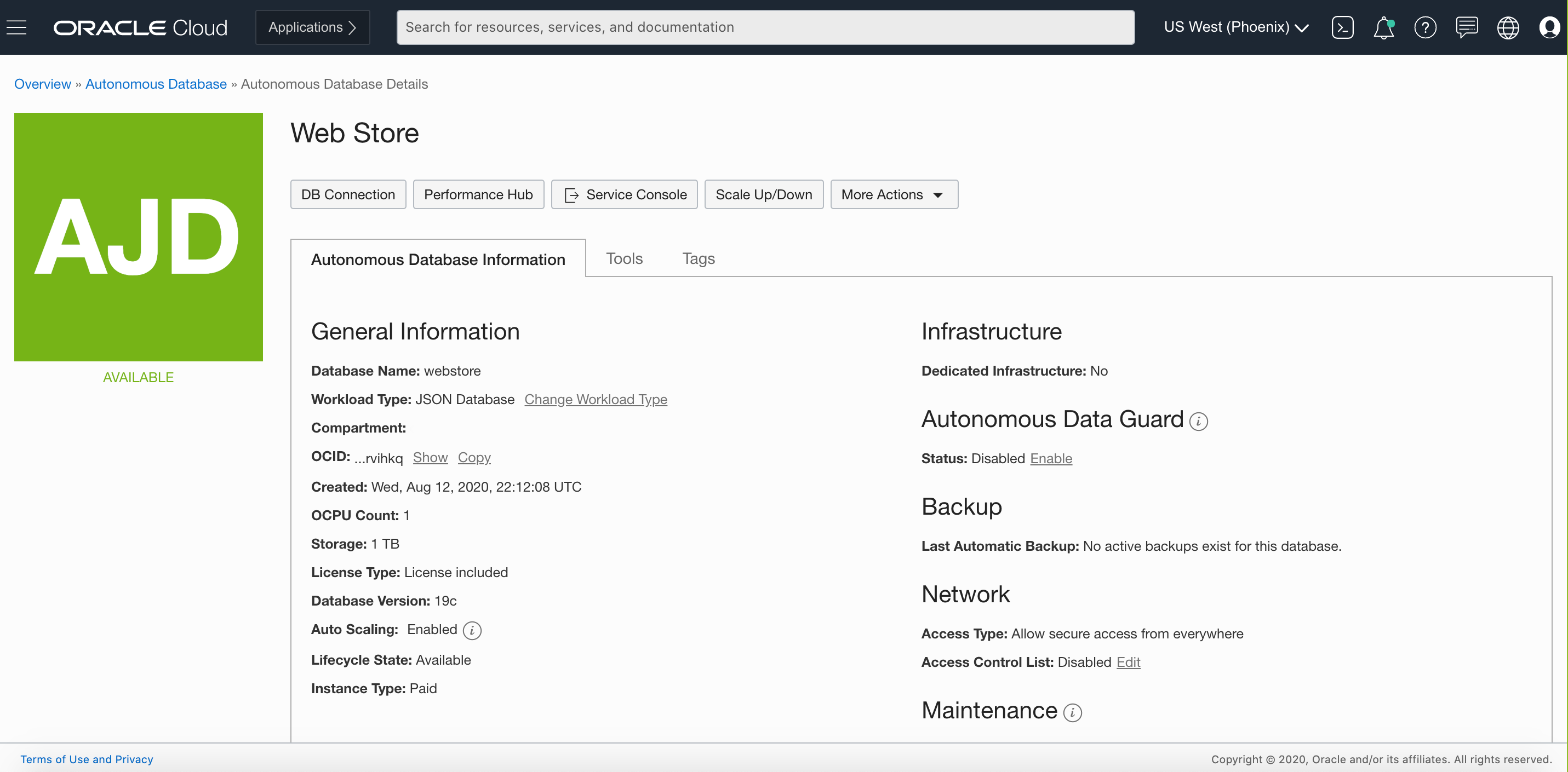  |




