Chose Intuit Mailchimp
I have used a lot of email marketing tools over the years and Intuit Mailchimp is one that I keep going back to, it simple and easy to use, no messing around and it does what it says one tin.

| Product | Rating | Most Used By | Product Summary | Starting Price |
|---|---|---|---|---|
 Intuit Mailchimp | N/A | Mailchimp is an email marketing and marketing automation platform. Beyond just tracking how campaigns perform, Mailchimp takes it a step further by analyzing data from over half a billion emails to show why campaigns perform, driving informed decisions. | $0 per month | |
 Optimizely Web Experimentation | N/A | Whether launching a first test or scaling a sophisticated experimentation program, Optimizely Web Experimentation aims to deliver the insights needed to craft high-performing digital experiences that drive engagement, increase conversions, and accelerate growth. | N/A | |
 Agentforce Marketing | N/A | Marketing Cloud is a cloud-based digital marketing platform, used by marketers can segment their audience, deliver personalized messages, track campaign performance, engage leads and accounts, and optimize strategies based on real-time insights. | $1,250 per month per installation |
| Intuit Mailchimp | Optimizely Web Experimentation | Salesforce Agentforce Marketing | ||||||||||||||||||||||
|---|---|---|---|---|---|---|---|---|---|---|---|---|---|---|---|---|---|---|---|---|---|---|---|---|
| Editions & Modules |
| No answers on this topic |
| |||||||||||||||||||||
| Offerings |
| |||||||||||||||||||||||
| Entry-level Setup Fee | No setup fee | Optional | No setup fee | |||||||||||||||||||||
| Additional Details | — | — | — | |||||||||||||||||||||
| More Pricing Information | ||||||||||||||||||||||||
| Intuit Mailchimp | Optimizely Web Experimentation | Salesforce Agentforce Marketing | |
|---|---|---|---|
| Considered Multiple Products |  Intuit Mailchimp  Adeeb Siddiqui Brand Manager Chose Intuit Mailchimp The free plan of Mailchimp works well for middle and small scale businesses. It offers a rich library of email templates and powerful analytics to support the lead generation and brand awareness initiatives of the organization. Customization of templates is a piece of cake …  Nick Jourdan Founder Chose Intuit Mailchimp Design and user interface and functionality.  John Reitz Chief Creative / Owner Chose Intuit Mailchimp Constant Contact is antiquated and clunky. Pardot is a huge solution and tied to Salesforce so it’s not aimed at the same user audience. I think Mailchimp is generally just easier to use and costs less than the alternatives on the market currently.  Andrea Hester Director Of Operations Chose Intuit Mailchimp Mailchimp has a simpler, easier to use interface for those with less technical expertise.  Christian Banach VP, Business Development Director Chose Intuit Mailchimp Mailchimp has fast and helpful customer service as compared to these competitors. While the feature set might be more limited, the price is significantly less. I have also found the platform to be much more intuitive.  Jordan Comstock Digital Marketing Specialist Chose Intuit Mailchimp MailChimp is fairly simple in functionality compared to competitors. Pardot was something I used for a B2B Saas company I worked for. Drip is what I used for eCommerce. Both are preferred in my current situations. I don't think I would recommend either over MailChimp for a …  Fabian Kuhn Head of Design Chose Intuit Mailchimp MailChimp definitely is among the more mature tools which offers you a lot of features and all of them are quite easy to use which is important for non-designers who're working on newsletter campaigns. Also, e-mail deliverability has gotten pretty strong over the last few years …  Ross Clurman Co-founder Chose Intuit Mailchimp We selected MailChimp over these competitors for the following reasons:
|  Optimizely Web Experimentation  Thue Lægdsgaard Madsen Marketing Operations Manager Chose Optimizely Web Experimentation It does test way better and it is a lot easier to use for this specific purpose.  Tigran Hakobyan Co-founder & Chief Marketing Officer Chose Optimizely Web Experimentation Didn't use any other A/B testing or experimenting platform. |  Agentforce Marketing  Megan Lemons Inbound Marketing Specialist Chose Salesforce Agentforce Marketing Pardot out-ranks the competition in regards to the integration with Salesforce. It is hard to beat the ability to use your already-made customer profiles and contact information in your marketing campaigns. Where it is lacking is the usability. MailChimp is a much more user …  Dan Lobring Vice President, Marketing Communications Chose Salesforce Agentforce Marketing  Bailey Witt, MBA Digital Marketing Analyst | Account Manager Chose Salesforce Agentforce Marketing As a user of Infusionsoft and SharpSpring, I wouldn't say that Pardot is the best. Infusionsoft is better overall. Pardot is used by one client of ours. Pardot's lack of good email builder is what puts it lower on the totem pole. It is a bit stronger with reporting and …  Justin Wiebe CRM Manager - Analyst/Programmer Chose Salesforce Agentforce Marketing Pardot is a player in that it is one of the older products on the forefront of email marketing. This is good and bad in that it has been established but bad in that it isn't as robust as some of the other products on the market. Adobe can be good but is new to the market and … Jordan Comstock Digital Marketing Specialist Chose Salesforce Agentforce Marketing Pardot is a good tool for medium-sized and smaller sized companies. Working with larger companies I have seen more lean towards Marketo. I have also worked with e-commerce brands that have no use for a marketing automation tool that connects to Salesforce. Starting at a company …  Trevor Lynn Chief Marketing Officer Chose Salesforce Agentforce Marketing We evaluated most other marketing automation products and Pardot was best for us because of the SFDC integration.  Nichole Smith Digital Communications Manager Chose Salesforce Agentforce Marketing I have used parts of the marketing cloud. While certain components of the marketing cloud are better (like social studio), the marketing automation and email marketing components of pardot are better and best suited for our business.  Abagail Pumphrey Graphic Designer in Strategic Marketing and Communications Chose Salesforce Agentforce Marketing We are switching from Pardot to ExactTarget. |
| Intuit Mailchimp | Optimizely Web Experimentation | Salesforce Agentforce Marketing | |||||||||||||||||||||||||||||||||||||||||||||||||||||||||||||||||||||||||||||||
|---|---|---|---|---|---|---|---|---|---|---|---|---|---|---|---|---|---|---|---|---|---|---|---|---|---|---|---|---|---|---|---|---|---|---|---|---|---|---|---|---|---|---|---|---|---|---|---|---|---|---|---|---|---|---|---|---|---|---|---|---|---|---|---|---|---|---|---|---|---|---|---|---|---|---|---|---|---|---|---|---|---|
| Email & Online Marketing |
| ||||||||||||||||||||||||||||||||||||||||||||||||||||||||||||||||||||||||||||||||
| Lead Management |
| ||||||||||||||||||||||||||||||||||||||||||||||||||||||||||||||||||||||||||||||||
| Campaign Management |
| ||||||||||||||||||||||||||||||||||||||||||||||||||||||||||||||||||||||||||||||||
| Social Media Marketing |
| ||||||||||||||||||||||||||||||||||||||||||||||||||||||||||||||||||||||||||||||||
| Reporting & Analytics |
| ||||||||||||||||||||||||||||||||||||||||||||||||||||||||||||||||||||||||||||||||
| Platform & Infrastructure |
| ||||||||||||||||||||||||||||||||||||||||||||||||||||||||||||||||||||||||||||||||
| Testing and Experimentation |
| ||||||||||||||||||||||||||||||||||||||||||||||||||||||||||||||||||||||||||||||||
| Audience Segmentation & Targeting |
| ||||||||||||||||||||||||||||||||||||||||||||||||||||||||||||||||||||||||||||||||
| Results and Analysis |
|
| Intuit Mailchimp | Optimizely Web Experimentation | Salesforce Agentforce Marketing | |
|---|---|---|---|
| Small Businesses |  Vbout Score 9.9 out of 10 |  Convert Experiences Score 9.9 out of 10 | Vbout Score 9.9 out of 10 |
| Medium-sized Companies |  PFL Direct Mail Platform Score 9.0 out of 10 |  Dynamic Yield Score 9.0 out of 10 | PFL Direct Mail Platform Score 9.0 out of 10 |
| Enterprises | PFL Direct Mail Platform Score 9.0 out of 10 | Dynamic Yield Score 9.0 out of 10 | PFL Direct Mail Platform Score 9.0 out of 10 |
| All Alternatives | View all alternatives | View all alternatives | View all alternatives |
| Intuit Mailchimp | Optimizely Web Experimentation | Salesforce Agentforce Marketing | |
|---|---|---|---|
| Likelihood to Recommend | 8.7 (603 ratings) | 8.7 (254 ratings) | 8.2 (329 ratings) |
| Likelihood to Renew | 10.0 (55 ratings) | 9.5 (51 ratings) | 8.1 (114 ratings) |
| Usability | 8.5 (472 ratings) | 10.0 (58 ratings) | 8.4 (37 ratings) |
| Availability | 9.5 (6 ratings) | 10.0 (7 ratings) | 10.0 (11 ratings) |
| Performance | 8.9 (7 ratings) | 7.3 (6 ratings) | 9.6 (9 ratings) |
| Support Rating | 8.7 (20 ratings) | 10.0 (16 ratings) | 7.0 (36 ratings) |
| In-Person Training | - (0 ratings) | - (0 ratings) | 5.0 (4 ratings) |
| Online Training | - (0 ratings) | 3.0 (1 ratings) | 8.1 (7 ratings) |
| Implementation Rating | 7.4 (22 ratings) | 8.0 (11 ratings) | 3.0 (17 ratings) |
| Configurability | 10.0 (2 ratings) | 6.0 (1 ratings) | - (0 ratings) |
| Contract Terms and Pricing Model | - (0 ratings) | - (0 ratings) | 5.0 (1 ratings) |
| Ease of integration | 8.0 (4 ratings) | - (0 ratings) | 7.0 (2 ratings) |
| Product Scalability | 9.5 (6 ratings) | 8.0 (163 ratings) | 7.5 (40 ratings) |
| Vendor post-sale | 10.0 (2 ratings) | - (0 ratings) | 8.0 (3 ratings) |
| Vendor pre-sale | 10.0 (2 ratings) | - (0 ratings) | 7.0 (3 ratings) |
| Intuit Mailchimp | Optimizely Web Experimentation | Salesforce Agentforce Marketing | |
|---|---|---|---|
| Likelihood to Recommend | Intuit
| Optimizely
| Salesforce
|
| Pros | Intuit
 Faisal Darbar Sales & Customer Services Manager | Optimizely
| Salesforce
 Juan Pablo De Sabato Contact Center Supervisor |
| Cons | Intuit
| Optimizely
| Salesforce
|
| Likelihood to Renew | Intuit
 Harrison Pershing Digital Marketing Strategist | Optimizely
| Salesforce
 Karol Clark Marketing Manager |
| Usability | Intuit
 Madison McDonnell Marketing Manager | Optimizely
 Audrey Ortiz CRO Marketing Manager | Salesforce
 Dérick St-Hilaire Digital Marketing Specialist |
| Reliability and Availability | Intuit
 Ben Caplan Risk Manager, and Insurance Agent | Optimizely
 Katie Goh Digital Marketing Manager | Salesforce
 Lisa Franks Marketing Manager |
| Performance | Intuit
Ben Caplan Risk Manager, and Insurance Agent | Optimizely
Katie Goh Digital Marketing Manager | Salesforce
|
| Support Rating | Intuit
 Valie Robbins Owner | Optimizely
| Salesforce
|
| In-Person Training | Intuit No answers on this topic | Optimizely No answers on this topic | Salesforce
|
| Online Training | Intuit No answers on this topic | Optimizely
| Salesforce
 Sean Marsh Digital Business Developer |
| Implementation Rating | Intuit
 Vicki Lesage Digital Marketing Specialist | Optimizely
| Salesforce
 Rob Sherman Software Engineering Manager |
| Alternatives Considered | Intuit
 Irfan Ahmad Software Engineer | Optimizely
| Salesforce
|
| Contract Terms and Pricing Model | Intuit No answers on this topic | Optimizely No answers on this topic | Salesforce
|
| Scalability | Intuit
Ben Caplan Risk Manager, and Insurance Agent | Optimizely
| Salesforce
 John Chavez Manager of Instructional Design |
| Return on Investment | Intuit
 John Dykstra Small Business Owner | Optimizely
| Salesforce
|
| ScreenShots | Intuit Mailchimp Screenshots      | Optimizely Web Experimentation Screenshots 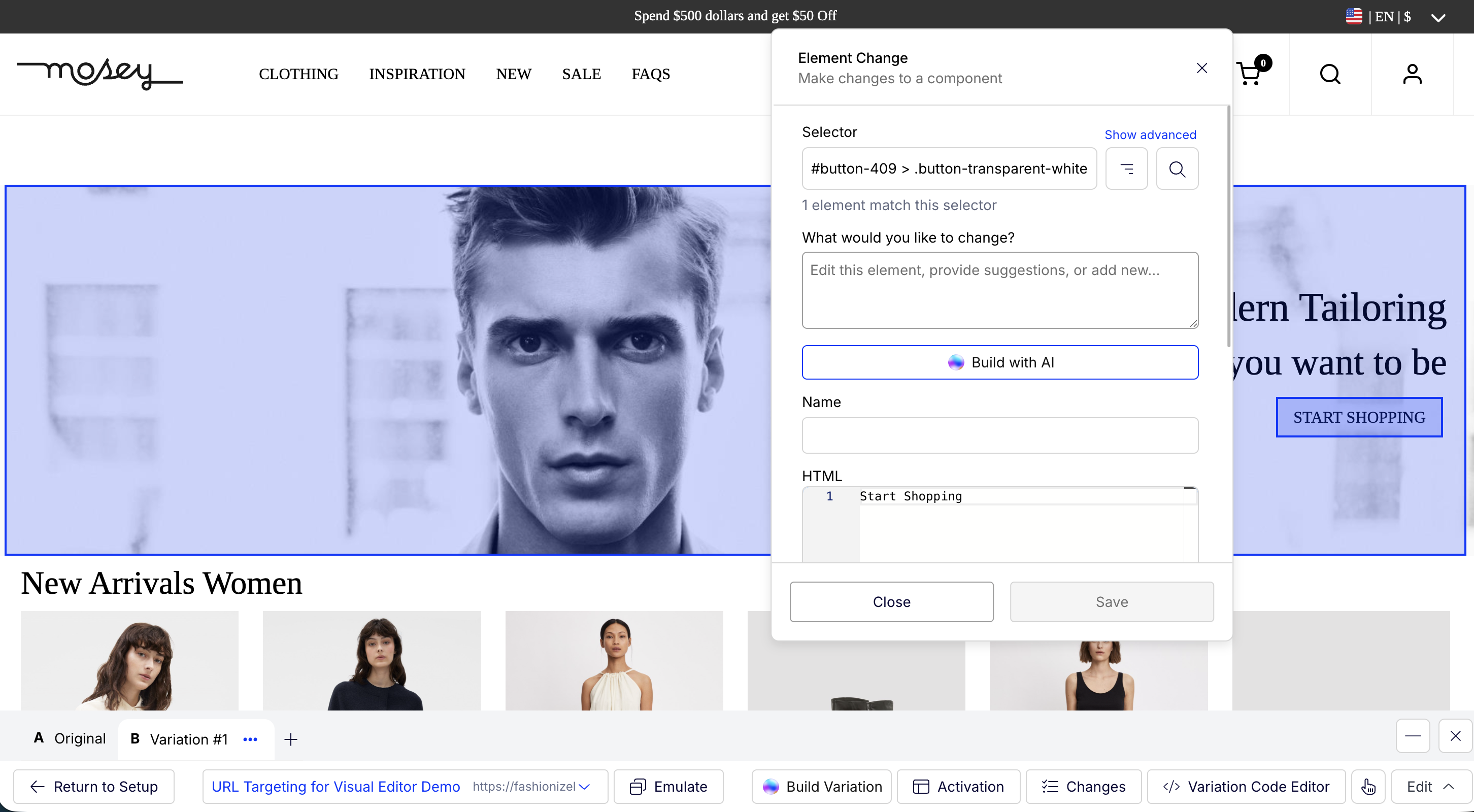 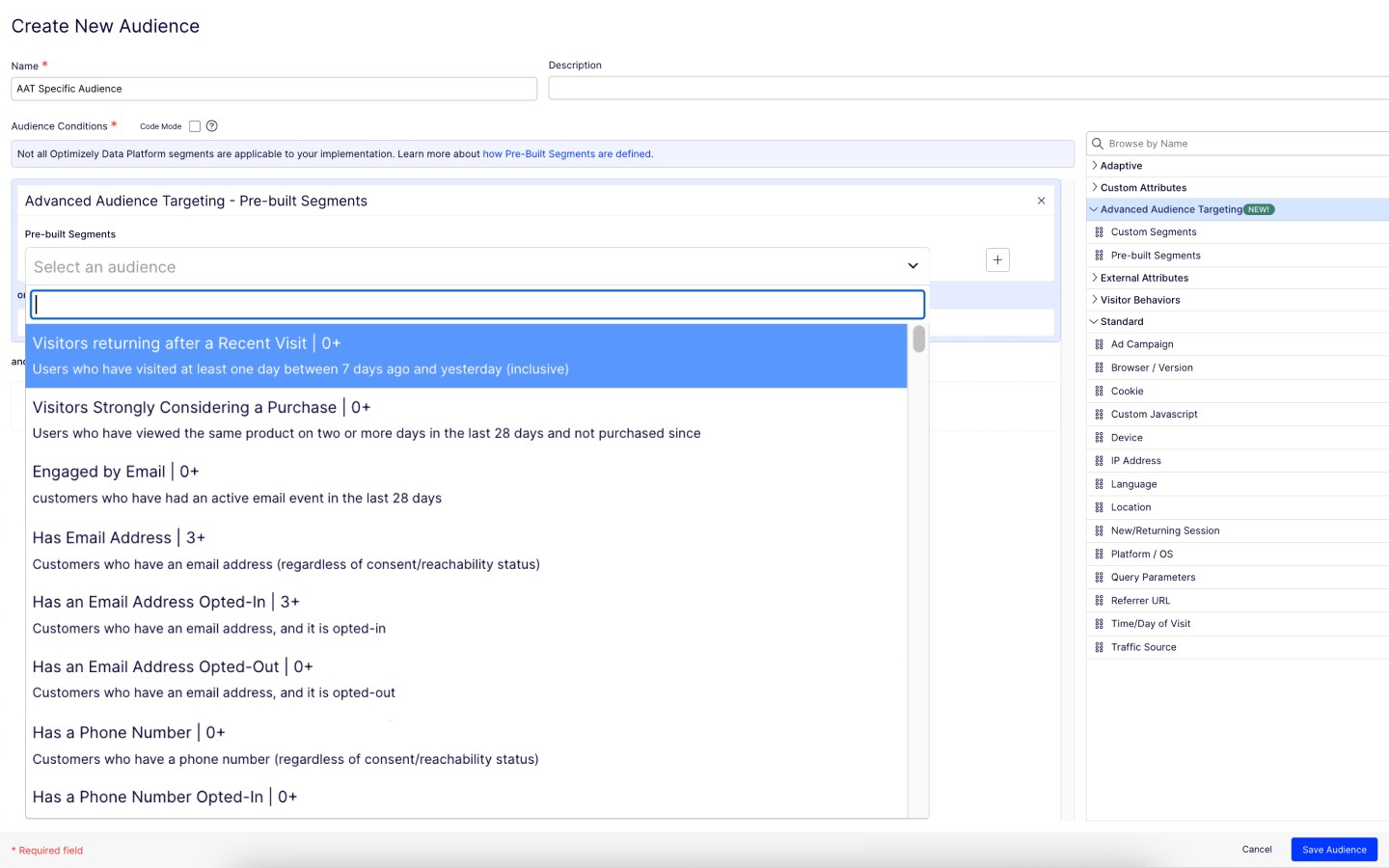  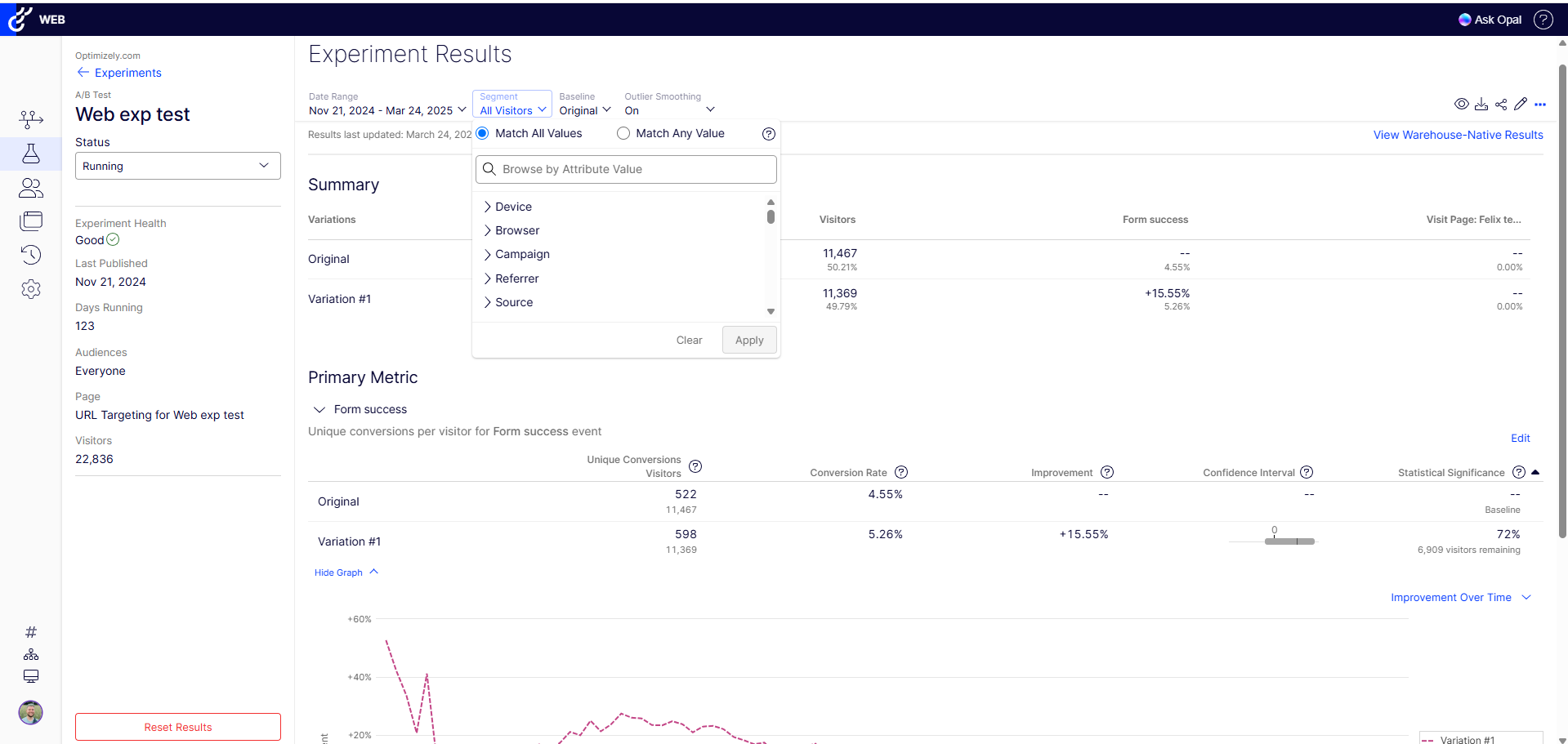 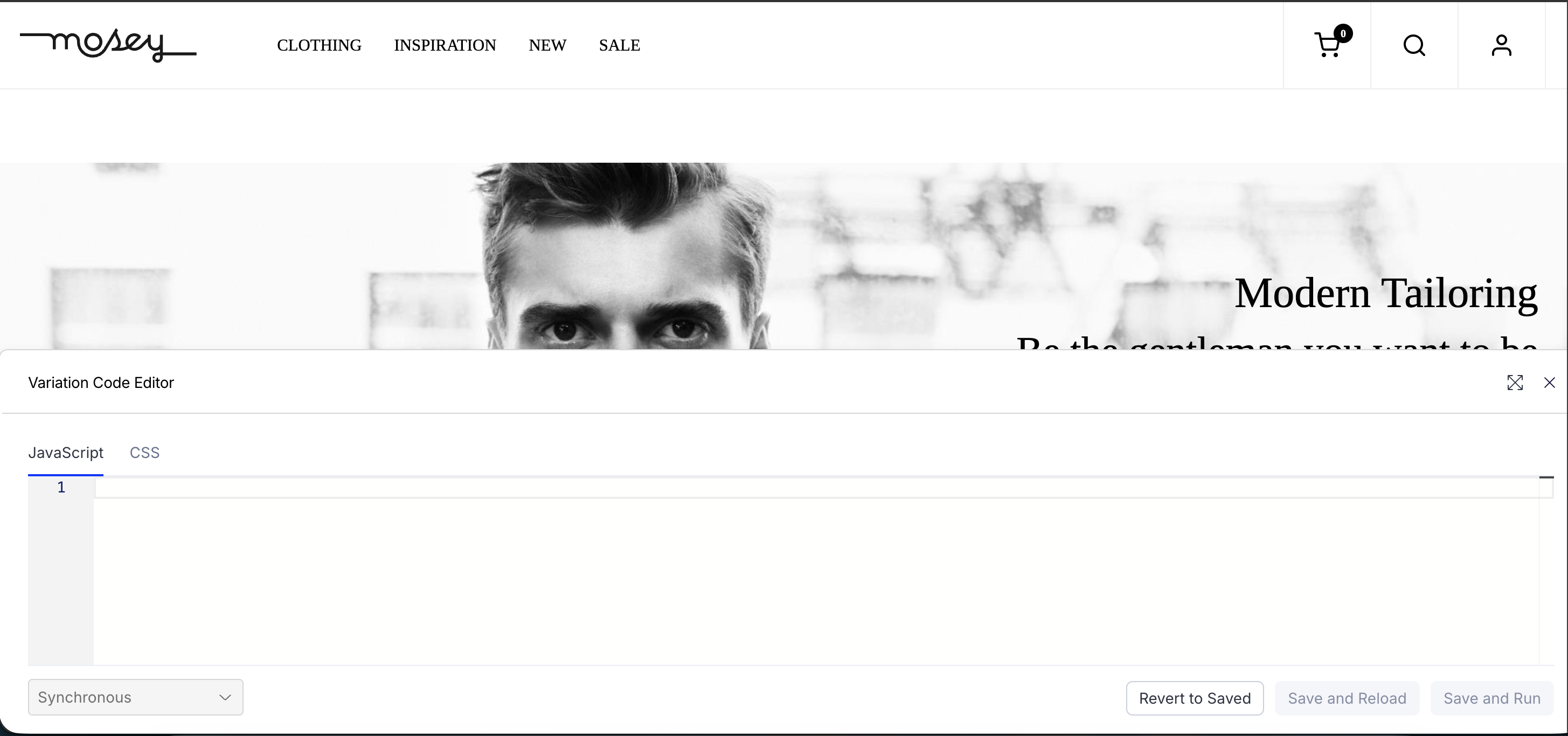 | Agentforce Marketing Screenshots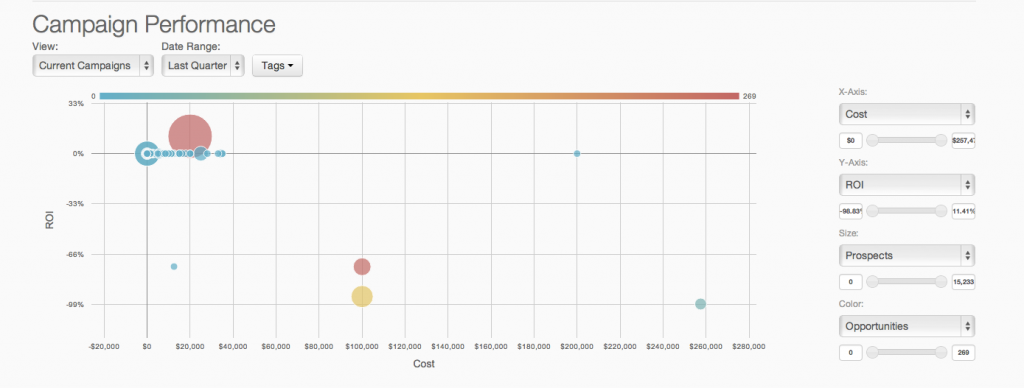  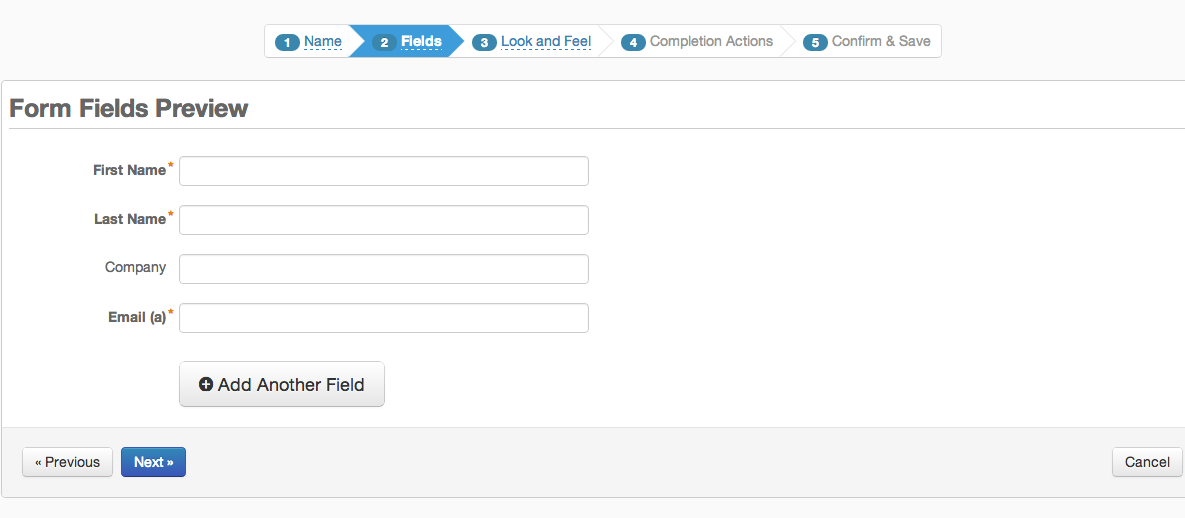  |
