Chose Adobe Analytics
Adobe has more info, better custom reports. GA has an easier interface

| Product | Rating | Most Used By | Product Summary | Starting Price |
|---|---|---|---|---|
 Adobe Analytics | N/A | Adobe acquired Omniture in 2009 and re-branded the platform as SiteCatalyst. It is now part of Adobe Marketing Cloud along with other products such as social marketing, test and targeting, and tag management. SiteCatalyst is one of the leading vendors in the web analytics category and is particularly strong in combining web analytics with other digital marketing capabilities like audience management and data management. Adobe Analytics also includes predictive marketing capabilities that help… | N/A | |
 Google Analytics | N/A | Google Analytics is perhaps the best-known web analytics product and, as a free product, it has massive adoption. Although it lacks some enterprise-level features compared to its competitors in the space, the launch of the paid Google Analytics Premium edition seems likely to close the gap. | $0 per month | |
 Quantum Metric | Enterprise companies (1,001+ employees) | Quantum Metric is designed to help organizations build better digital products faster. Their platform for Continuous Product Design gives business and IT teams a single version of truth which the vendor describes as fast, quantified, and grounded on what customers actually experience. The solution ultimately aims to help teams agree on priorities, build products customers love, and innovate with speed and confidence. | N/A |
| Adobe Analytics | Google Analytics | Quantum Metric | ||||||||||||||||||||||
|---|---|---|---|---|---|---|---|---|---|---|---|---|---|---|---|---|---|---|---|---|---|---|---|---|
| Editions & Modules | No answers on this topic |
| No answers on this topic | |||||||||||||||||||||
| Offerings |
| |||||||||||||||||||||||
| Entry-level Setup Fee | Optional | No setup fee | No setup fee | |||||||||||||||||||||
| Additional Details | — | — | — | |||||||||||||||||||||
| More Pricing Information | ||||||||||||||||||||||||
| Adobe Analytics | Google Analytics | Quantum Metric | |
|---|---|---|---|
| Considered Multiple Products |  Adobe Analytics  Damon Hall Sr. Marketing Manager of Web Analytics and Personalization Chose Adobe Analytics Adobe Analytics far surpasses Google Analytics in the following arenas: journey analysis. Adobe Analytics very clearly portrays user journey data unlike any other web analytics tool.  Aaron Henderson Marketing Specialist Chose Adobe Analytics I chose Adobe Analytics at the time because Google was just for Google. But they are changing, so it may be worth another look  Lee Preston Conversion Rate Optimisation Lead Chose Adobe Analytics Clients usually select Adobe Analytics because it suits them better than the alternatives and they want more customisation than GA4 offers. Also because they might be with Adobe Experience Cloud for a few other things like tag management, A/B testing, audience manager, campaign … |  Google Analytics  Michael Weissberg Senior Digital Marketing Manager Chose Google Analytics Google Analytics is free! And while Adobe Analytics is arguably more powerful, it's paid. Additionally, Google Analytics' integrations are vastly well known, thoroughly well (and more) documented, and used by more people. That means that it's also easy to find people that are …  Víctor Garnica Professional Services Lead Chose Google Analytics Adobe Analytics has been in the market for a long time; some people still know it as Omniture or SiteCatalyst. It seems that some great ideas from Google Analytics, such as Enhanced Ecommerce and the new way of measuring events with GA4, are adapted from the traditional Adobe …  Thomas (TC) Riley Senior Director, Information Services Chose Google Analytics Adobe Analytics and Google Analytics 360 are both paid/premium options for website tracking. Though there are certain use cases when these might make sense (you operate entirely in the Adobe suite, you're a massive company/site that doesn’t mind the price tag on Google …  sandro merkvilishvili Head of e-commerce deparment Chose Google Analytics Ease of use: Google Analytics is known for its user-friendly interface and straightforward setup process, making it accessible for beginners. Adobe Analytics has a steeper learning curve and requires more technical expertise. Features: Adobe Analytics offers a more comprehensive …  Francois Salvert Web Analytics and Dashboarding Chose Google Analytics Google Analytics is for me the default one to implement especially for business starting in analytics. The time (aka cost) of implementation is very low and it provides results in a matter of hours. The integration with the Google ecosystem is also a plus especially when …  Martha McNeil Data Management Analyst Chose Google Analytics Built-in reports are beneficial but you can create custom reports if you need more details with different dimensions and metrics it also provides insights which is just little data about your site traffic in sentence format its the best way to know which strategy you are on …  Rafael Grandizoli Gerente de Operações Chose Google Analytics Google Analytics had the best price (it's free for major of our clients), and it was easy to find professionals that had experience on using it.  Ellen Moon Senior Manager Chose Google Analytics Google Analytics provides everything you need in terms of straight forward analytics needs. The tool is not very flexible compared to other software such as adobe, and if you want to upgrade to premium or add in a bunch of custom situations, that can be become very [tedious] …  J.P. VanderLinden Director of Operations Chose Google Analytics Google Analytics is the industry standard, integrates seamlessly with most site setups, and cannot even be compared on cost. While it falls short in some areas like individual user tracking and cross-device reporting, it provides 80-90% of the needed visibility for online … Chose Google Analytics Google Analytics is the web's gold standard. We also use StatCounter for redundancy sake and because its visitor tracking and basic reporting are spectacular. But Google is a must-have no matter what else you end up using. The redundancy issues plays out in terms of data …  Ryan Sparks Software Engineer Chose Google Analytics Google Analytics stacks up as some of the best among the competition, assuming you're using it for its intended purpose. It's been the easiest to integrate into our applications, as well as the easiest UI to use. We selected Google Analytics for security and budget reasons, but …  Brandon Mitchell Email Marketing Specialist / Paid Search Analyst Chose Google Analytics Both are great, just different. Most clients believe Google is the golden standard due to the strong presence of Google's brand everywhere, but Adobe seems to have stronger, drill down tracking at the expense of a harder to use interface.  Lindsay Halsey Co-Founder Chose Google Analytics We like Google Analytics because it's free and powerful. And it works well for websites small to large.  Adam Hatfield Head of Digital Chose Google Analytics We have been using Google Analytics for over 10 years. Over that time we have periodically reviewed our analytics platforms a number of times. For us, it made more sense to stay with google analytics primarily because if we migrated to another platform we would lose the … | Quantum Metric  Ben Anderson Product Management Intern - Ecommerce Team Chose Quantum Metric We use multiple analytics tools for various parts of the business. Quantum Metric's replay function is superior to any other tool we've used. The ability to see data and make custom dashboards is in many ways more intuitive than Adobe Analytics and other tools, although we …  niman goli Storage Lead Chose Quantum Metric its well suited for the environments for the workloads of huge transactions,huge I/O,avoiding delays for the workloads which need immediate attention with great workflows.For the great transformations and data mining it would be helpful,for great customer behaviorial, it would …  Henrique Tedeschi Senior Software Engineer Chose Quantum Metric Other tools might provide the tool in a very similar way, but that's it. Quantum Metric actually helps remove the abstraction from the data, their support is available in a very fast manner, they help us set goals and reach them, also helping us track them through the tool. …  Enrique Membreno Digital Analyst Chose Quantum Metric I have used other tools like Dynatrace. Quantum Metric is better suited to look for errors and spot issues in user sessions, it has a more friendly UI.  Gytis Juzenas Analyst Chose Quantum Metric The biggest QM advantage is that you can see customer's actions on the live preview and almost immediately. So you can catch customers up, on the session, while the customer is still using your portal. There is a lot of information provided on the session, like API calls and …  Christian Calvo Manager, Digital Site Health Chose Quantum Metric I like it more because it is much more quick for searches and replays, also making dashboards is much more easy with QM.  Gloria Lago Manager, Measurement Strategy and Data Architecture Chose Quantum Metric We were using ClickTale at the same time as Quantum for Order Form Optimization recommendations but found that the amount of time invested and the quality of the tool from Quantum just seemed like a better fit for our organization.  Salil Chatrath Senior Product Manager Chose Quantum Metric Much more intuitive to use by more teams and yet get similar kind of insights |
| Adobe Analytics | Google Analytics | Quantum Metric | |||||||||||||||||||||||||||||||||||
|---|---|---|---|---|---|---|---|---|---|---|---|---|---|---|---|---|---|---|---|---|---|---|---|---|---|---|---|---|---|---|---|---|---|---|---|---|---|
| Web Analytics |
| ||||||||||||||||||||||||||||||||||||
| Mobile Capabilities |
| ||||||||||||||||||||||||||||||||||||
| Results and Analysis |
|
| Adobe Analytics | Google Analytics | Quantum Metric | |
|---|---|---|---|
| Small Businesses |  StatCounter Score 9.0 out of 10 | StatCounter Score 9.0 out of 10 |  Smartlook Score 8.7 out of 10 |
| Medium-sized Companies |  Optimal Score 9.1 out of 10 | Optimal Score 9.1 out of 10 |  Contentsquare Score 7.3 out of 10 |
| Enterprises | Optimal Score 9.1 out of 10 | Optimal Score 9.1 out of 10 | Contentsquare Score 7.3 out of 10 |
| All Alternatives | View all alternatives | View all alternatives | View all alternatives |
| Adobe Analytics | Google Analytics | Quantum Metric | |
|---|---|---|---|
| Likelihood to Recommend | 8.3 (228 ratings) | 8.5 (192 ratings) | 9.2 (43 ratings) |
| Likelihood to Renew | 8.5 (95 ratings) | 9.0 (51 ratings) | 7.5 (2 ratings) |
| Usability | 8.0 (80 ratings) | 7.4 (19 ratings) | 7.7 (12 ratings) |
| Availability | 8.1 (12 ratings) | 10.0 (4 ratings) | - (0 ratings) |
| Performance | 8.0 (11 ratings) | 10.0 (2 ratings) | - (0 ratings) |
| Support Rating | 3.6 (41 ratings) | 7.0 (42 ratings) | 8.7 (32 ratings) |
| In-Person Training | 1.1 (5 ratings) | - (0 ratings) | - (0 ratings) |
| Online Training | 7.0 (5 ratings) | 10.0 (2 ratings) | - (0 ratings) |
| Implementation Rating | 8.1 (10 ratings) | 9.0 (7 ratings) | 9.1 (1 ratings) |
| Configurability | - (0 ratings) | 6.0 (2 ratings) | - (0 ratings) |
| Contract Terms and Pricing Model | 7.3 (6 ratings) | - (0 ratings) | - (0 ratings) |
| Ease of integration | - (0 ratings) | 10.0 (1 ratings) | - (0 ratings) |
| Product Scalability | 10.0 (2 ratings) | 10.0 (2 ratings) | - (0 ratings) |
| Professional Services | 7.9 (5 ratings) | - (0 ratings) | - (0 ratings) |
| Vendor post-sale | - (0 ratings) | 10.0 (1 ratings) | - (0 ratings) |
| Vendor pre-sale | - (0 ratings) | 9.0 (1 ratings) | - (0 ratings) |
| Adobe Analytics | Google Analytics | Quantum Metric | |
|---|---|---|---|
| Likelihood to Recommend | Adobe
 Tara Tomasko Marketing Operations Specialist | Google
sandro merkvilishvili Head of e-commerce deparment | Quantum Metric
 Khairul Islam Tonmoy Software Developer |
| Pros | Adobe
| Google
| Quantum Metric
 Erica D'Aloia Product Manager, Lifestages |
| Cons | Adobe
| Google
| Quantum Metric
|
| Likelihood to Renew | Adobe
| Google
| Quantum Metric
Enrique Membreno Digital Analyst |
| Usability | Adobe
| Google
 Victor Campos Web Developer | Quantum Metric
Salil Chatrath Senior Product Manager |
| Reliability and Availability | Adobe
| Google
| Quantum Metric No answers on this topic |
| Performance | Adobe
| Google
| Quantum Metric No answers on this topic |
| Support Rating | Adobe
 Saurav Khawas Analytics Manager | Google
 Sarah Hoffman Media Director | Quantum Metric
Ben Anderson Product Management Intern - Ecommerce Team |
| In-Person Training | Adobe
 Nicholas Dragon Regional Marketing Specialist | Google No answers on this topic | Quantum Metric No answers on this topic |
| Online Training | Adobe
| Google
 Roy Morejon President | Quantum Metric No answers on this topic |
| Implementation Rating | Adobe
 Jonathon Frampton Manager of Web Analytics | Google
 Joshua Van Horsen Marketing Manager | Quantum Metric No answers on this topic |
| Alternatives Considered | Adobe
 Steve Biggs Lead Digital Analyst | Google
| Quantum Metric
 Bill Saffold Manager - Direct To Consumer ecommerce |
| Contract Terms and Pricing Model | Adobe
| Google No answers on this topic | Quantum Metric No answers on this topic |
| Scalability | Adobe
| Google
| Quantum Metric No answers on this topic |
| Professional Services | Adobe
| Google No answers on this topic | Quantum Metric No answers on this topic |
| Return on Investment | Adobe
| Google
 Heide Rembold Director of Marketing & Analytics | Quantum Metric
|
| ScreenShots | Adobe Analytics Screenshots      | Quantum Metric Screenshots   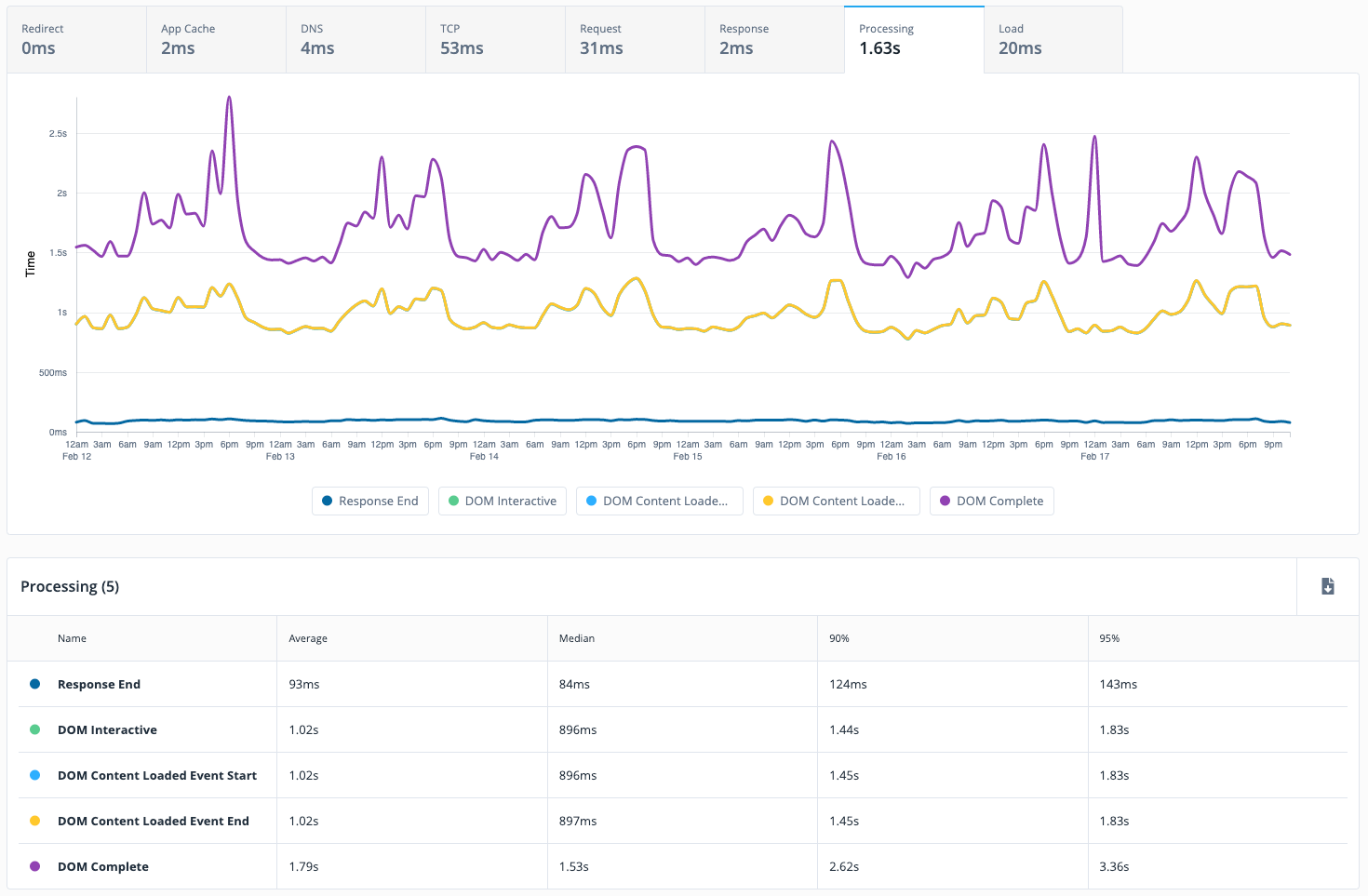 |
