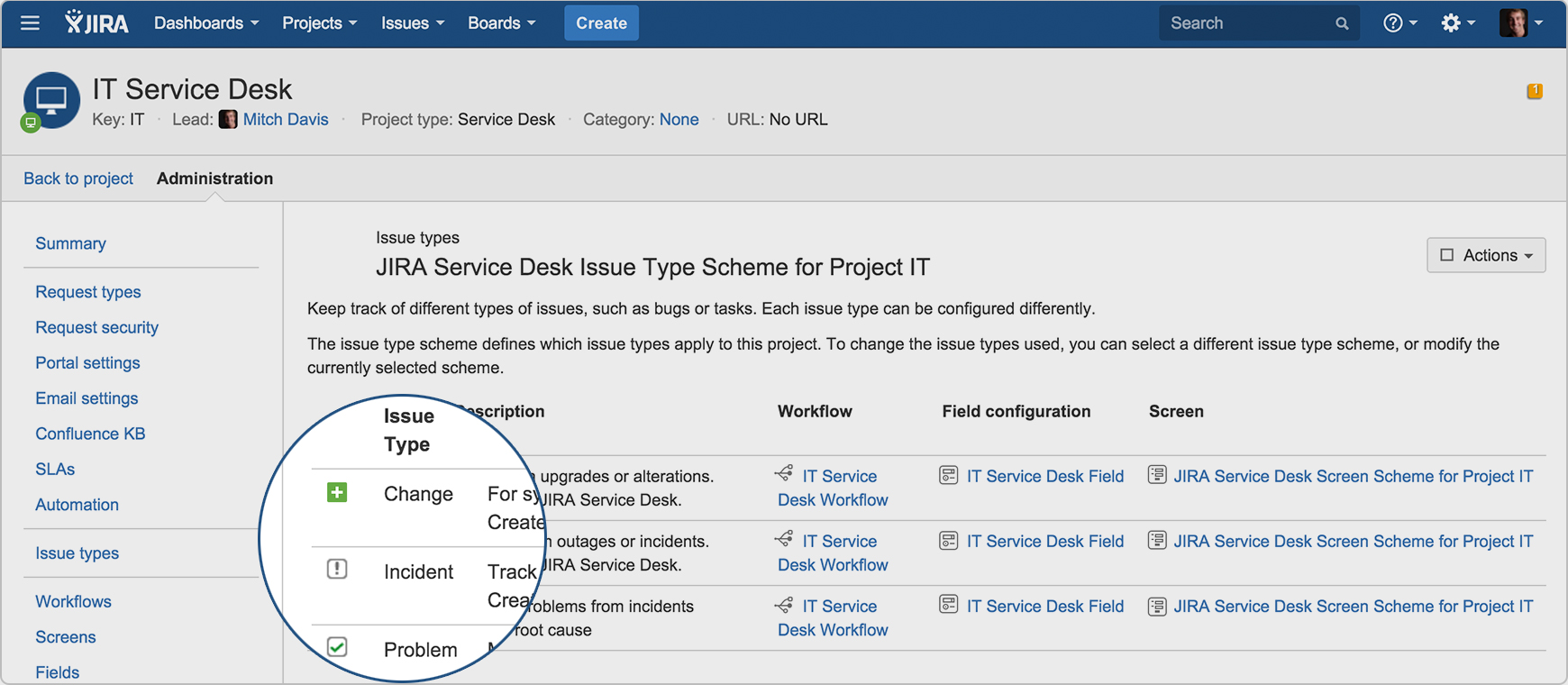
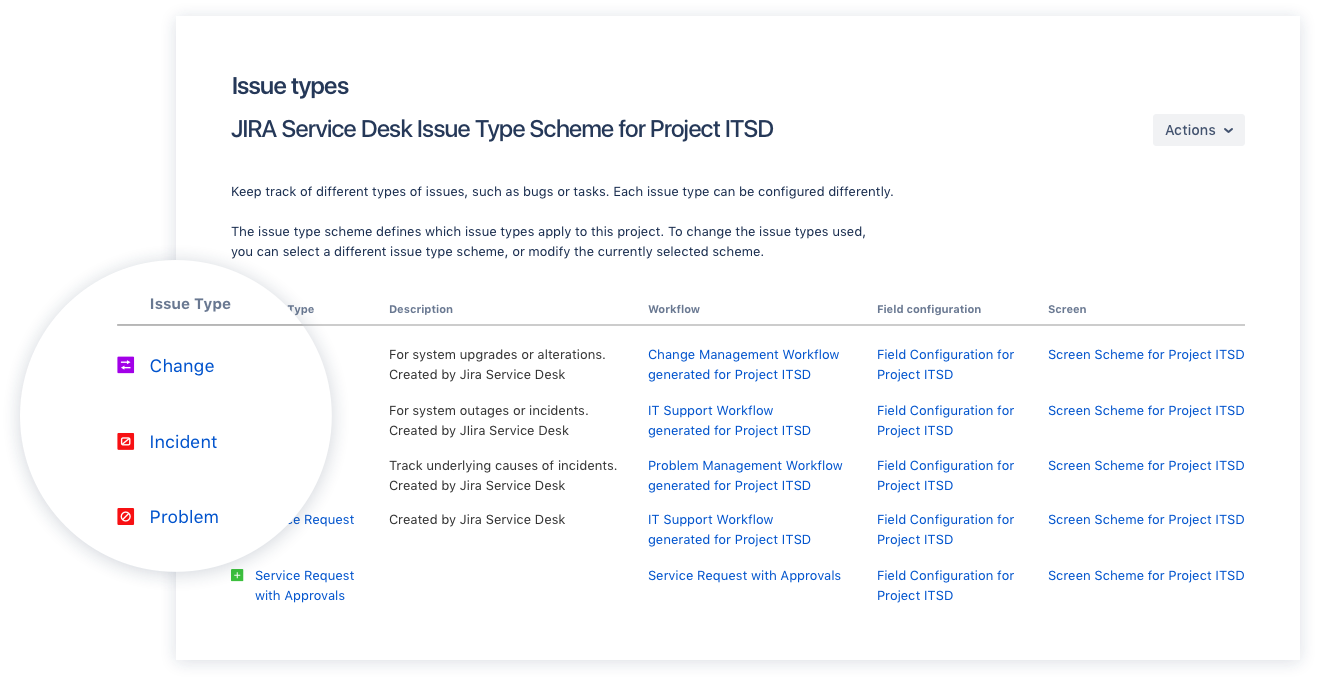
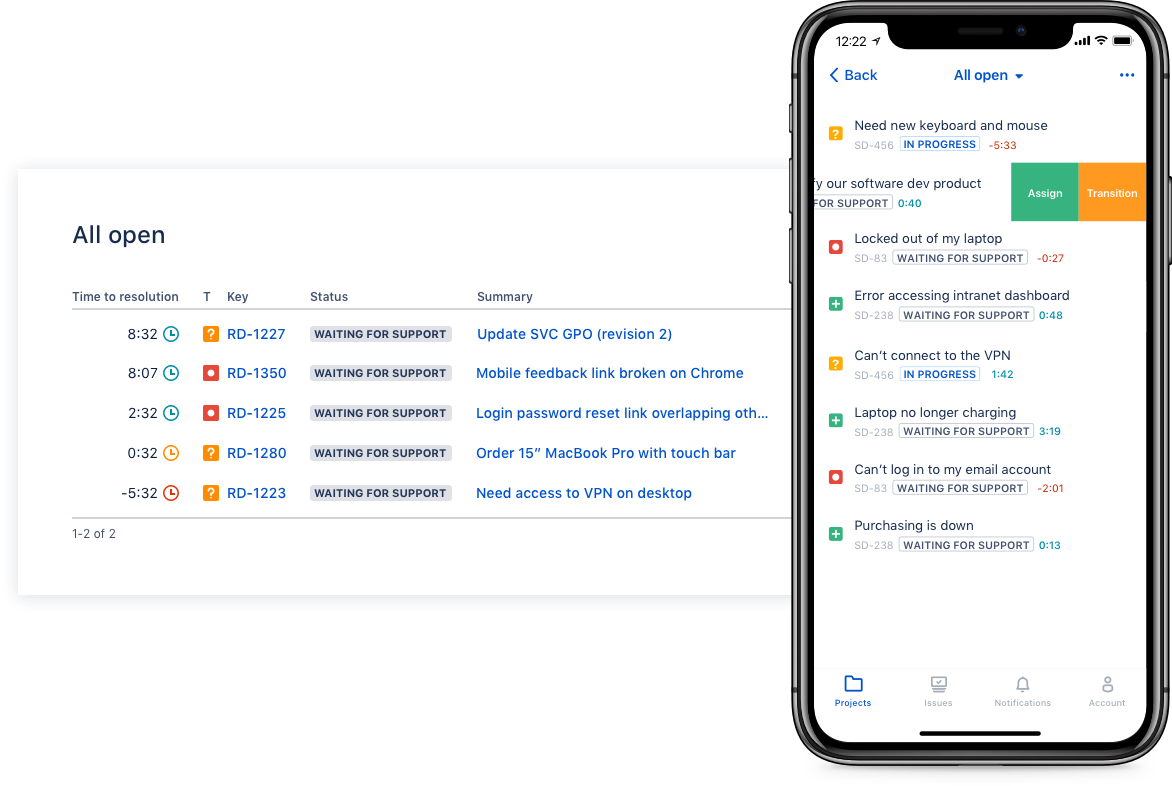
Jira Service Management (formerly Jira Service Desk, now including features from the former Mindville Insight, acquired by Atlassian in June 2020) is a service desk software that is purpose-built for IT, service, and support teams. The software provides everything IT and support teams need out-of-the-box for service request, incident, problem and change management. Jira Service Management integrates seamlessly with Jira Software so that IT and development teams can work better together. Users…
$0
per month
ServiceNow Now Platform
Score 8.6 out of 10
N/A
The ServiceNow Now Platform is a digital workflow building and extension tool for ServiceNow featuring a number of low-code / no code tools.
Great to manage your issues in a clear and centralised way. If your development teams work with Jira, it will all naturally come together. Great way to manage the issues from end to end. - Very flexible if you have people who understands the set up and is able to configure it for your needs - Maybe not the best if you want something with very easy set up
Using it in the application support team is worth it as it is capable of carrying a lot of information. But using it for a Service Desk operation might not be of much use as it won't be used up to its full potential and will be costly as compared to other alternatives available in the market.
Ability to control the number of email notifications received (Note: this is a new feature in the Latest release but I personally haven not extensively looked at it and how well it solves the existing problem).
No way to reply to multiple tickets at once, say you got 4 tickets in for the same issue, there is no way you can reply to them in one stroke. Other Ticketing systems do have this ability.
Using a large number of add-ons to customize and add additional features adds up quickly and can become rather expensive.
Request forms are very basic and there is no native dynamic field ability available.
Providing admins/devs with easier mechanisms for providing businss stakeholders with self-service admin capabilities across the platform
Tutorials on how to be the best at reporting in servicenow
Guided tour functionaltiy is a bit rigid and could use more workflow capabilities
Making it easier to push form variables to the user so there is more context when providing an approval. The out of box approval UI/form is terrible in my opinion.
Everybody in the company is happy to use ServiceNow. All people are happy to use a user-friendly web tool in order to open IT incidents. IT people can easily support people with a stable and solid tool.
I gave JIRA a score of 9 since I am happy with the service it offers. I can easily see the SLA since it gives me visibility. I can pull up the reports I need. I can reach out to our clients using the PR ticket so it is hassle-free for me.
As a regular user of the ServiceNow platform, including the incident management, change management and enterprise application management modules, I find that I am able to competently use the platform with minimal training and assistance. User guides are available from the vendor if required. The customisable front-end that we use in the organisation as an ordering tool for internal IT services is very easy to use, and makes searching for the required IT service simple for business users.
I have not used the technical support from Atlassian. In terms of online help and resources, they are a bit limited thus making it more of a challenge to troubleshoot issues and learn more functionality. There aren't a lot of resources available on the Atlassian site besides developer documents. It would be nice to have a blog or forum where users can get the help they need.
We have many levels of interaction with ServiceNow. The first line of support sometimes is not equipped to resolve more complex issues, but the escalation process is clearly defined and followed with limited friction. Our account team is very responsive and willing to brainstorm ideas to improve and increase usage. We also have direct interaction with product teams to see previews of new features and at times to provide input to influence implementation details.
When I evaluated Spiceworks, it was not going to be replacing any ticketing systems. However, I did evaluate it and was not extremely impressed by the short demo I did. JIRA was selected because a branch of our company was already using it, so it made sense to consolidate into one service desk solution, and JIRA was the better option since it was less expensive and geared towards being a ticketing system.
ServiceNow is by far a better tool over Remedy. Its ability to integrate so seamlessly to so many tools allows for plenty of opportunity to streamline and improve processes. Servicenow has intuitive flows that allow you to quickly pivot if process change. Its adaptiveness is what makes it far better solution over Remedy
1. It is not great when they can't seperate apps/products from a particular sku, forcing you to make a business case for a larger portion of functionlity than your current business case seeks to address. 2. ServiceNow reps are able to work with you when economies of scale are projected out. They are willing to start at a desired tier and provide pricing at applicable upgraded tiers
Very easy to use. Capture more data from the Incident and problem management. Easier to escalate and following the change management process to resole the issues.
Ensuring good service support internally and externally has triggered opportunities to sustain good links with everyone and opened the door to more sales and successful business and ServiceNow has been key in all this, so the investment came back to us faster than expected.