Chose Dynamic Yield
Better Product Recommendations, Ease of Use, Affinity based Personalisation, Predictive Targeting and out of the box templates.

| Product | Rating | Most Used By | Product Summary | Starting Price |
|---|---|---|---|---|
 Contentsquare | N/A | Contentsquare is a digital experience analytics cloud designed to help companies understand hidden customer behaviors, and use those insights to drive more successful experiences. It includes functionality from the former Clicktale heatmap, session recording, and A/B testing tool and now boasts a suite of customer journey analytic capabilities. | N/A | |
 Dynamic Yield | N/A | Dynamic Yield is presented as an AI-powered Experience Optimization platform that delivers individualized experiences at every customer touchpoint: web, apps, email, kiosks, IoT, and call centers. The platform’s data management capabilities provide for a unified view of the customer, to allow the rapid and scalable creation of highly targeted digital interactions. Marketers, product managers, and engineers use Dynamic Yield for: Launching new personalization… | N/A | |
 Optimizely Web Experimentation | N/A | Whether launching a first test or scaling a sophisticated experimentation program, Optimizely Web Experimentation aims to deliver the insights needed to craft high-performing digital experiences that drive engagement, increase conversions, and accelerate growth. | N/A |
| Contentsquare | Dynamic Yield | Optimizely Web Experimentation | ||||||||||||||||||||||
|---|---|---|---|---|---|---|---|---|---|---|---|---|---|---|---|---|---|---|---|---|---|---|---|---|
| Editions & Modules | No answers on this topic | No answers on this topic | No answers on this topic | |||||||||||||||||||||
| Offerings |
| |||||||||||||||||||||||
| Entry-level Setup Fee | No setup fee | No setup fee | Optional | |||||||||||||||||||||
| Additional Details | — | — | — | |||||||||||||||||||||
| More Pricing Information | ||||||||||||||||||||||||
| Contentsquare | Dynamic Yield | Optimizely Web Experimentation | |
|---|---|---|---|
| Considered Multiple Products |  Contentsquare No answer on this topic |  Dynamic Yield  Aloysius "Al" Lee Vice President, Digital & Technology Chose Dynamic Yield Dynamic Yield provides far more capability and ready-to-go templates for small-medium sized businesses, as well as decent API implementation for businesses who want to have a deeper integration. The ease of implementation and faster time-to-market is why we chose Dynamic Yield.  Michael Carlisle Director, CRO and CX Chose Dynamic Yield Dynamic Yield is leaps-and-bounds beyond other platforms when it comes to advanced capabilities. If all you want is to A/B tests two separate landing pages, it is probably overkill. If you want to optimize your customer's digital experience across audience-types, including …  Adriana Scala Product Owner - eCommerce Optimisation Chose Dynamic Yield Dynamic Yield has proven to surpass my experiences with both Optimizely and Braze in many ways - notably with contact time and support from the team, which has made a huge difference to the success of the tool for us. But also in my experience, I've found there to be a much …  Amaury Ortolland Senior Data, Analytics & Optimization Manager Chose Dynamic Yield DY can be linked to the product feed allowing use cases that are not possible on a simple testing solution. Also, DY is simple to use for the marketing team, there is no need for technical knowledge to set most of the experiences. To conclude, DY can be used as a CDP with a …  Dalin Brinkman Mobile Marketing Manager Chose Dynamic Yield
 Manuel Füchslin Product Owner Chose Dynamic Yield Dynamic Yield was very easy to set up and the people working at Dynamic Yield where very helpful (and not just a programmer somewhere in India).  Giovanni Luca Randisi Marketing Director Chose Dynamic Yield Now I have a single centralized tool for several things while before we had to maintain at least 3 tools to do what we are currently doing with Dynamic Yield. Having a single tool helped us a lot also in increasing our level of precision and to avoid fixes across different …  Lanie DePasquale Ecommerce Manager Chose Dynamic Yield We chose Dynamic Yield because of its vast capabilities and dedicated support team.  Diogo Gomes Pio Head of Online Marketing Chose Dynamic Yield We talked with Emarsys and Optimizely but DY showed more flexibility and better customer support.  Nichelle Letson Digital Marketing Analyst Chose Dynamic Yield I haven't used Optimizely personally, but I know other people prefer Optimizely over DY. DY was not my choice to bring on. Most people think that Optimizely is the best in the industry, but I don't have enough experience to say I agree.  Devon Chulick Ecommerce Product Manager Chose Dynamic Yield Optimizely had a better code editor/wysiwyg , but was way more limited in the scope of personalization and testing.  Kelly Park Director of ECommerce & Direct Sales Chose Dynamic Yield  Jack Yulzari Product Manager Chose Dynamic Yield When we've compared solutions, Dynamic Yiled impressed us as better in terms of their focus on e-commerce, built-in features, durability, value for money and agility. |  Optimizely Web Experimentation  Fabien Caublot XO Director Chose Optimizely Web Experimentation > Adobe's pretty cool for its recomentation / AI / ML engine > VWO's wysiwyg is pretty solid and the heatmapping is nice > abtasty's consent features are pretty cool to launch patch and AB Test Consent Rate > Monetate & Dynamic Yield's pre-built personalization features help …  Jason Tabert Manager, Experience Optimization Chose Optimizely Web Experimentation Google Optimize was much less flexible for our program needs and requires Google Analytics for analysis and metrics tracking. Optimizely Web Experimentation lets you build any number of metrics which can be much more complex than standard GA goals. Optimizely Web …  Jeremy Cox Business Analyst Chose Optimizely Web Experimentation I was not part of the implementation. The decision to go with Optimizely was made before I began working here. |
| Contentsquare | Dynamic Yield | Optimizely Web Experimentation | |||||||||||||||||||||||||||||||||||||||||||||||||||||||||||||||||||||||||||||||
|---|---|---|---|---|---|---|---|---|---|---|---|---|---|---|---|---|---|---|---|---|---|---|---|---|---|---|---|---|---|---|---|---|---|---|---|---|---|---|---|---|---|---|---|---|---|---|---|---|---|---|---|---|---|---|---|---|---|---|---|---|---|---|---|---|---|---|---|---|---|---|---|---|---|---|---|---|---|---|---|---|---|
| Mobile Capabilities |
| ||||||||||||||||||||||||||||||||||||||||||||||||||||||||||||||||||||||||||||||||
| Results and Analysis |
| ||||||||||||||||||||||||||||||||||||||||||||||||||||||||||||||||||||||||||||||||
| Testing and Experimentation |
| ||||||||||||||||||||||||||||||||||||||||||||||||||||||||||||||||||||||||||||||||
| Audience Segmentation & Targeting |
|
| Contentsquare | Dynamic Yield | Optimizely Web Experimentation | |
|---|---|---|---|
| Small Businesses |  Smartlook Score 8.6 out of 10 |  Bloomreach - The Agentic Platform for Personalization Score 8.9 out of 10 |  Convert Experiences Score 9.9 out of 10 |
| Medium-sized Companies |  Quantum Metric Score 8.2 out of 10 | Bloomreach - The Agentic Platform for Personalization Score 8.9 out of 10 | Dynamic Yield Score 9.0 out of 10 |
| Enterprises | Quantum Metric Score 8.2 out of 10 | Bloomreach - The Agentic Platform for Personalization Score 8.9 out of 10 | Dynamic Yield Score 9.0 out of 10 |
| All Alternatives | View all alternatives | View all alternatives | View all alternatives |
| Contentsquare | Dynamic Yield | Optimizely Web Experimentation | |
|---|---|---|---|
| Likelihood to Recommend | 7.0 (14 ratings) | 9.5 (107 ratings) | 8.7 (253 ratings) |
| Likelihood to Renew | 7.5 (11 ratings) | 10.0 (5 ratings) | 9.4 (51 ratings) |
| Usability | 7.0 (1 ratings) | 9.1 (26 ratings) | 10.0 (58 ratings) |
| Availability | - (0 ratings) | - (0 ratings) | 10.0 (7 ratings) |
| Performance | - (0 ratings) | - (0 ratings) | 7.3 (6 ratings) |
| Support Rating | - (0 ratings) | 10.0 (47 ratings) | 10.0 (16 ratings) |
| Online Training | - (0 ratings) | - (0 ratings) | 3.0 (1 ratings) |
| Implementation Rating | - (0 ratings) | - (0 ratings) | 8.0 (11 ratings) |
| Configurability | - (0 ratings) | - (0 ratings) | 6.0 (1 ratings) |
| Product Scalability | - (0 ratings) | - (0 ratings) | 8.0 (162 ratings) |
| Contentsquare | Dynamic Yield | Optimizely Web Experimentation | |
|---|---|---|---|
| Likelihood to Recommend | Contentsquare
| Dynamic Yield by Mastercard
| Optimizely
|
| Pros | Contentsquare
 Dan Briscoe VP of Marketing | Dynamic Yield by Mastercard
 Kate Phillips e-Commerce Manager | Optimizely
|
| Cons | Contentsquare
 Leor Maizel Web Designer/User Experience Designer | Dynamic Yield by Mastercard
| Optimizely
|
| Likelihood to Renew | Contentsquare
 Art Zippel, CUA UX Information Architect | Dynamic Yield by Mastercard
Lanie DePasquale Ecommerce Manager | Optimizely
|
| Usability | Contentsquare
Art Zippel, CUA UX Information Architect | Dynamic Yield by Mastercard
| Optimizely
 Audrey Ortiz CRO Marketing Manager |
| Reliability and Availability | Contentsquare No answers on this topic | Dynamic Yield by Mastercard No answers on this topic | Optimizely
 Katie Goh Digital Marketing Manager |
| Performance | Contentsquare No answers on this topic | Dynamic Yield by Mastercard No answers on this topic | Optimizely
Katie Goh Digital Marketing Manager |
| Support Rating | Contentsquare No answers on this topic | Dynamic Yield by Mastercard
| Optimizely
|
| Online Training | Contentsquare No answers on this topic | Dynamic Yield by Mastercard No answers on this topic | Optimizely
|
| Implementation Rating | Contentsquare No answers on this topic | Dynamic Yield by Mastercard No answers on this topic | Optimizely
|
| Alternatives Considered | Contentsquare
 Nuno Luz Digital Optimisation Manager | Dynamic Yield by Mastercard
Aloysius "Al" Lee Vice President, Digital & Technology | Optimizely
|
| Scalability | Contentsquare No answers on this topic | Dynamic Yield by Mastercard No answers on this topic | Optimizely
|
| Return on Investment | Contentsquare
 Ryan Freeman Web Analyst | Dynamic Yield by Mastercard
| Optimizely
|
| ScreenShots | Dynamic Yield Screenshots    | Optimizely Web Experimentation Screenshots   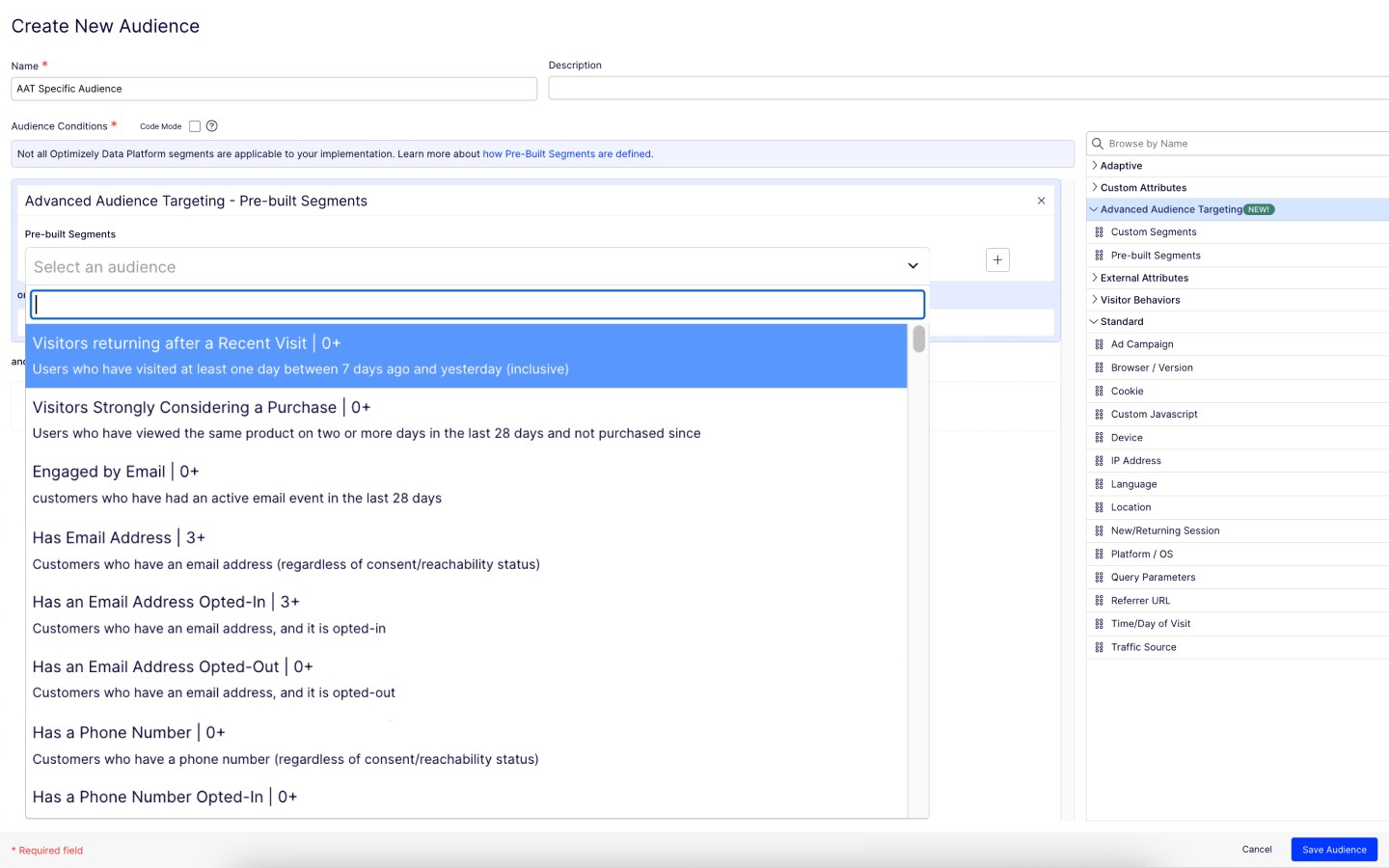  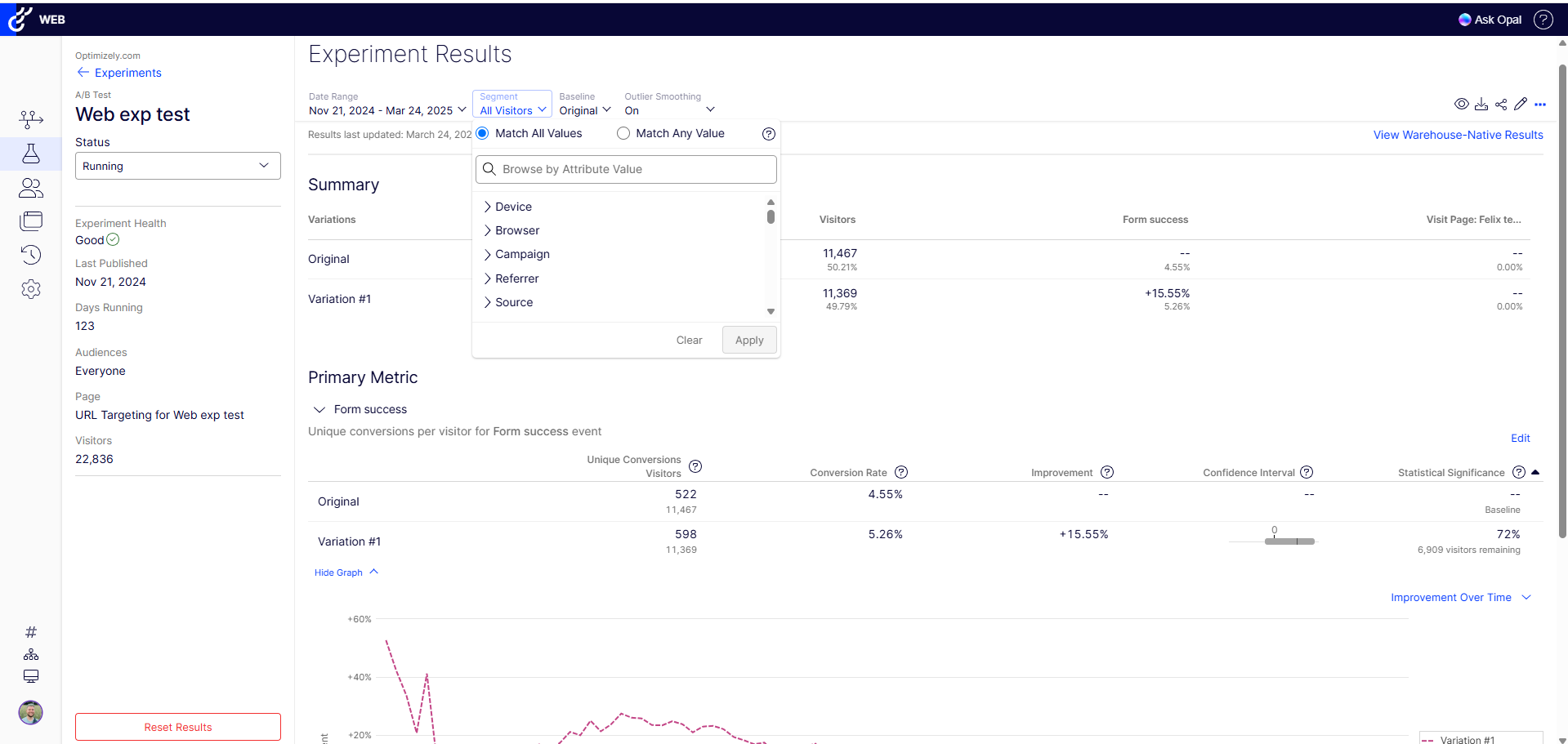 |