
DocuWare vs. FormAssembly
| Product | Rating | Most Used By | Product Summary | Starting Price |
|---|---|---|---|---|
 DocuWare | Score7.7 out of 10 | N/A | DocuWare’s document management software delivers digital workflow and document control to boost productivity without the need for IT resources. Its cloud and on-premises products are presented as a best-fit solution for companies seeking to digitize, automate and transform key processes. DocuWare is headquartered in New Windsor, NY, and their solution is presented as a DCM, or lightweight ECM. | $300 per month |
 FormAssembly | Score8.9 out of 10 | N/A | FormAssembly is an enterprise data collection and automation platform designed to enable organizations to capture clean, compliant data from the start. With the latest edition of the platform, FormAssembly Atlas, and its built-in AI assistant, Fai, forms and workflows build themselves, connect to Salesforce and other systems in just a few clicks, and ensure every record is structured, secure, and ready for automation or AI. In short, FormAssembly is designed to… | N/A |
| DocuWare | FormAssembly | |||||||||||||||
|---|---|---|---|---|---|---|---|---|---|---|---|---|---|---|---|---|
| Editions & Modules |
|
| ||||||||||||||
| Offerings |
| |||||||||||||||
| Entry-level Setup Fee | No setup fee | Optional | ||||||||||||||
| Additional Details | — | — | ||||||||||||||
| More Pricing Information | ||||||||||||||||
| DocuWare | FormAssembly | |
|---|---|---|
| Considered Both Products | No answer on this topic | No answer on this topic |
| Key User Insights | ||
| Would buy again | ||
No answers on this topic | 95% Would buy again 39 Answers | |
| Delivers good value for the price | ||
No answers on this topic | 100% Delivers good value for the price 31 Answers | |
| Happy with the feature set | ||
No answers on this topic | 90% Happy with the feature set 37 Answers | |
| Lived up to sales and marketing promises | ||
No answers on this topic | 91% Lived up to sales and marketing promises 20 Answers | |
| Implementation went as expected | ||
No answers on this topic | 100% Implementation went as expected 29 Answers | |
| DocuWare | FormAssembly | |||||||||||||||||||
|---|---|---|---|---|---|---|---|---|---|---|---|---|---|---|---|---|---|---|---|---|
| Survey Format & Appearance |
| |||||||||||||||||||
| Survey Content |
| |||||||||||||||||||
| Survey Logic |
| |||||||||||||||||||
| Survey Reporting & Analytics |
| |||||||||||||||||||
| Survey Administration & Security |
| |||||||||||||||||||
| Survey Distribution |
| |||||||||||||||||||
| DocuWare | FormAssembly | |
|---|---|---|
| Small Businesses |  M‑Files Score8.9 out of 10 |  Jotform Score8.5 out of 10 |
| Medium-sized Companies |  Esker Score7.4 out of 10 |  Qualaroo Score7 out of 10 |
| Enterprises |  Tungsten Capture Score9.5 out of 10 |  QuestionPro Score9.2 out of 10 |
| All Alternatives | View all alternatives | View all alternatives |
| DocuWare | FormAssembly | |
|---|---|---|
| Likelihood to Recommend | 9.0 | 8.9 |
| Likelihood to Renew | 9.0 | 9.0 |
| Usability | 7.0 | 9.0 |
| Availability | - | 10.0 |
| Support Rating | 9.0 | 5.8 |
| Implementation Rating | - | 9.1 |
| Ease of integration | - | 8.2 |
| DocuWare | FormAssembly | |
|---|---|---|
| Likelihood to Recommend |
|
|
| Pros |
|
|
| Cons |
|
|
| Likelihood to Renew |
|
|
| Usability |
|
|
| Support Rating |
|
|
| Implementation Rating | No answers on this topic |
|
| Alternatives Considered |
|
|
| Return on Investment |
|
|
| ScreenShots | FormAssembly Screenshots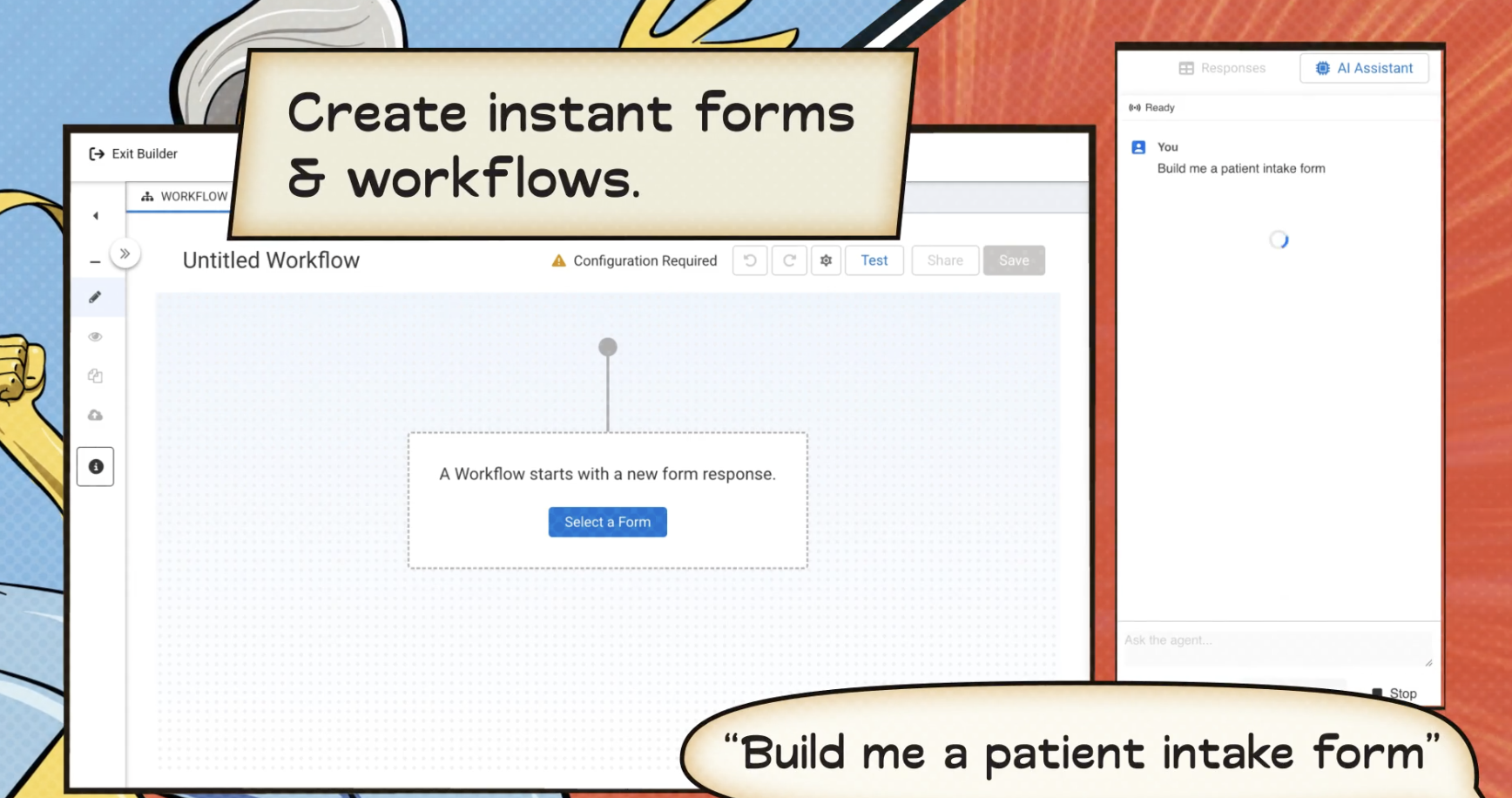   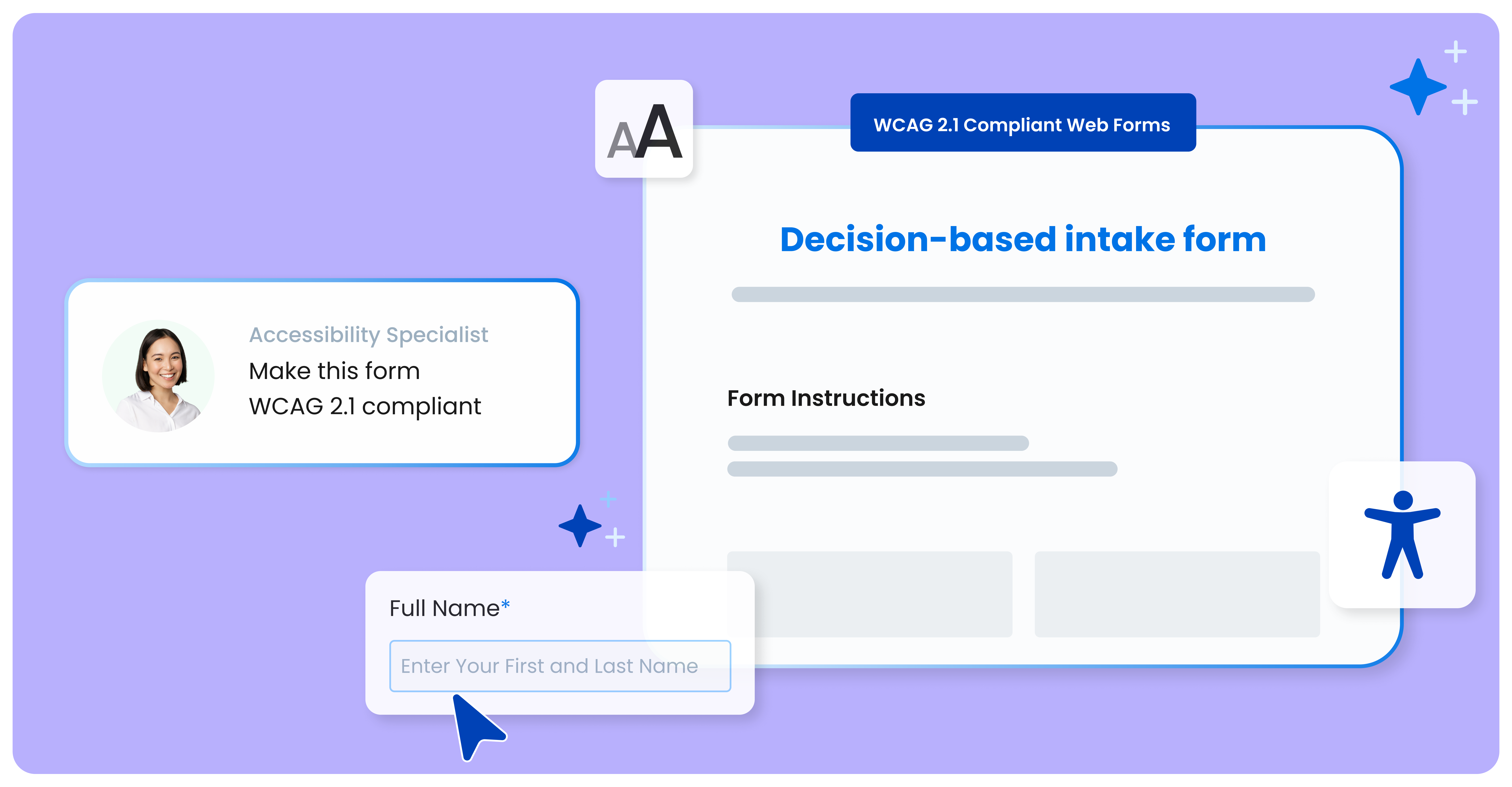  |



