
Atlassian Service Collection, with Jira Service Management vs. UserVoice
| Product | Rating | Most Used By | Product Summary | Starting Price |
|---|---|---|---|---|
 Atlassian Service Collection | Score8.1 out of 10 | N/A | The Atlassian Service Collection, including the no longer available standalone Jira Service Management, is an integrated suite of service management applications built on Atlassian's unified Jira platform architecture. Designed to bring development, operations, internal IT, and external support teams onto a single workflow engine, the Service Collection consolidates support infrastructures to deliver service at high velocity. | $0 per month |
 UserVoice | Score9.5 out of 10 | N/A | UserVoice collects and organizes feedback from multiple sources to provide a clear, actionable view of user feedback for product teams. With a customizable feedback portal, in-app widget, and direct integrations with your email client, CRM or support tool, it’s easy for your customers and internal team members to share feedback at anytime. The UserVoice platform allows you to manage all this feedback in a single view, analyze your data to make product decisions based on customer… | $15 per month |
| Atlassian Service Collection | UserVoice | |||||||||||||||
|---|---|---|---|---|---|---|---|---|---|---|---|---|---|---|---|---|
| Editions & Modules |
| No answers on this topic | ||||||||||||||
| Offerings |
| |||||||||||||||
| Entry-level Setup Fee | No setup fee | No setup fee | ||||||||||||||
| Additional Details | — | — | ||||||||||||||
| More Pricing Information | ||||||||||||||||
| Atlassian Service Collection | UserVoice | |
|---|---|---|
| Considered Both Products | No answer on this topic | No answer on this topic |
| Key User Insights | ||
| Would buy again | ||
98% Would buy again 42 Answers | No answers on this topic | |
| Delivers good value for the price | ||
97% Delivers good value for the price 36 Answers | No answers on this topic | |
| Happy with the feature set | ||
98% Happy with the feature set 42 Answers | No answers on this topic | |
| Lived up to sales and marketing promises | ||
96% Lived up to sales and marketing promises 27 Answers | No answers on this topic | |
| Implementation went as expected | ||
97% Implementation went as expected 30 Answers | No answers on this topic | |
| Atlassian Service Collection | UserVoice | |||||||||||||||||||||||||
|---|---|---|---|---|---|---|---|---|---|---|---|---|---|---|---|---|---|---|---|---|---|---|---|---|---|---|
| Incident and problem management |
| |||||||||||||||||||||||||
| ITSM asset management |
| |||||||||||||||||||||||||
| Change management |
| |||||||||||||||||||||||||
| Atlassian Service Collection | UserVoice | |
|---|---|---|
| Small Businesses |  Agiloft Service Desk (discontinued) Score9 out of 10 |  Craft.io Score10 out of 10 |
| Medium-sized Companies |  ManageEngine ServiceDesk Plus Score9.2 out of 10 |  ProductPlan Score9.5 out of 10 |
| Enterprises |  Ivanti ITSM Score6.4 out of 10 |  Roadmunk Score4.6 out of 10 |
| All Alternatives | View all alternatives | View all alternatives |
| Atlassian Service Collection | UserVoice | |
|---|---|---|
| Likelihood to Recommend | 8.3 | 10.0 |
| Likelihood to Renew | 10.0 | 9.7 |
| Usability | 8.7 | 8.0 |
| Availability | 10.0 | - |
| Performance | 10.0 | - |
| Support Rating | 10.0 | 9.0 |
| In-Person Training | 10.0 | - |
| Online Training | 10.0 | - |
| Implementation Rating | 10.0 | 9.0 |
| Configurability | 10.0 | - |
| Contract Terms and Pricing Model | 10.0 | - |
| Ease of integration | 10.0 | - |
| Product Scalability | 10.0 | - |
| Professional Services | 10.0 | - |
| Vendor post-sale | 10.0 | - |
| Vendor pre-sale | 10.0 | - |
| Atlassian Service Collection | UserVoice | |
|---|---|---|
| Likelihood to Recommend |
|
|
| Pros |
|
|
| Cons |
|
|
| Likelihood to Renew |
|
|
| Usability |
|
|
| Reliability and Availability |
| No answers on this topic |
| Performance |
| No answers on this topic |
| Support Rating |
|
|
| In-Person Training |
| No answers on this topic |
| Online Training |
| No answers on this topic |
| Implementation Rating | No answers on this topic |
|
| Alternatives Considered |
|
|
| Scalability |
| No answers on this topic |
| Professional Services |
| No answers on this topic |
| Return on Investment |
|
|
| ScreenShots | Atlassian Service Collection Screenshots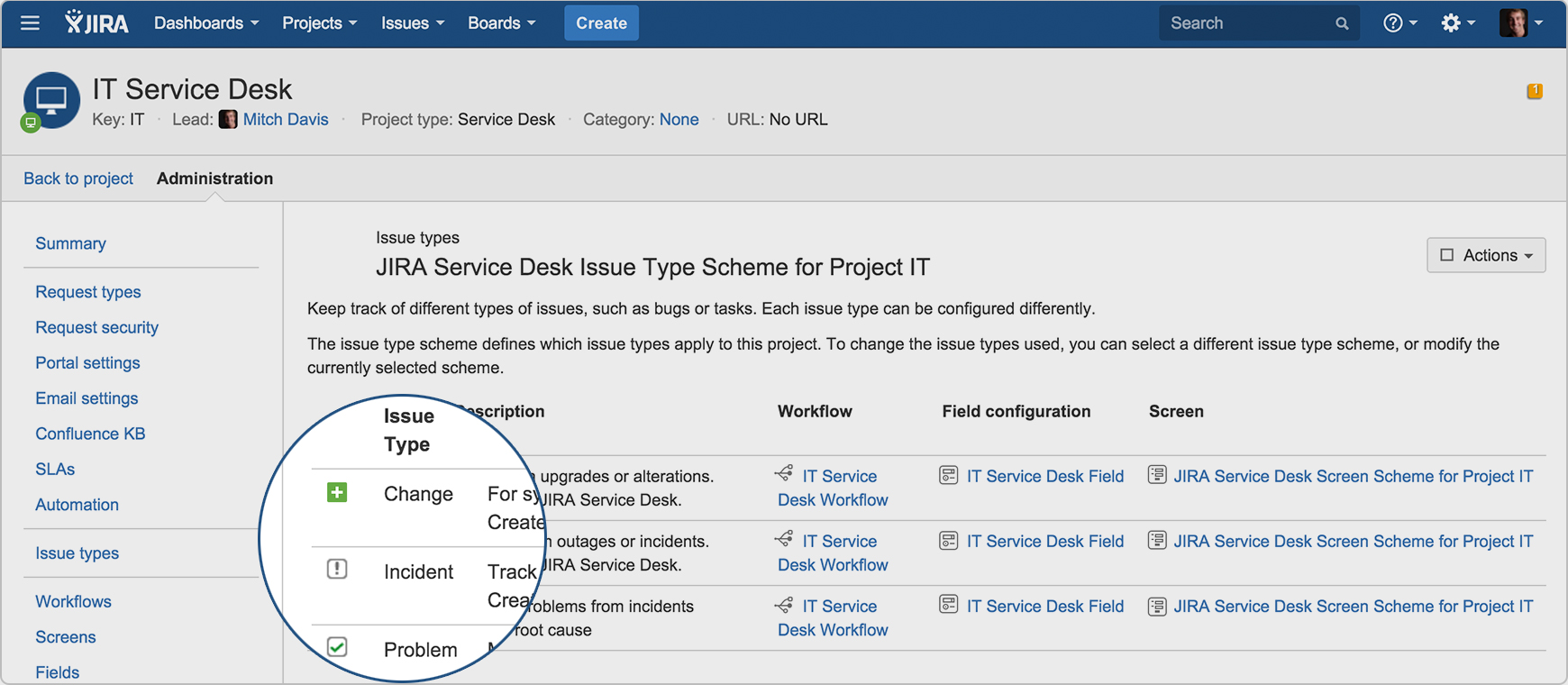  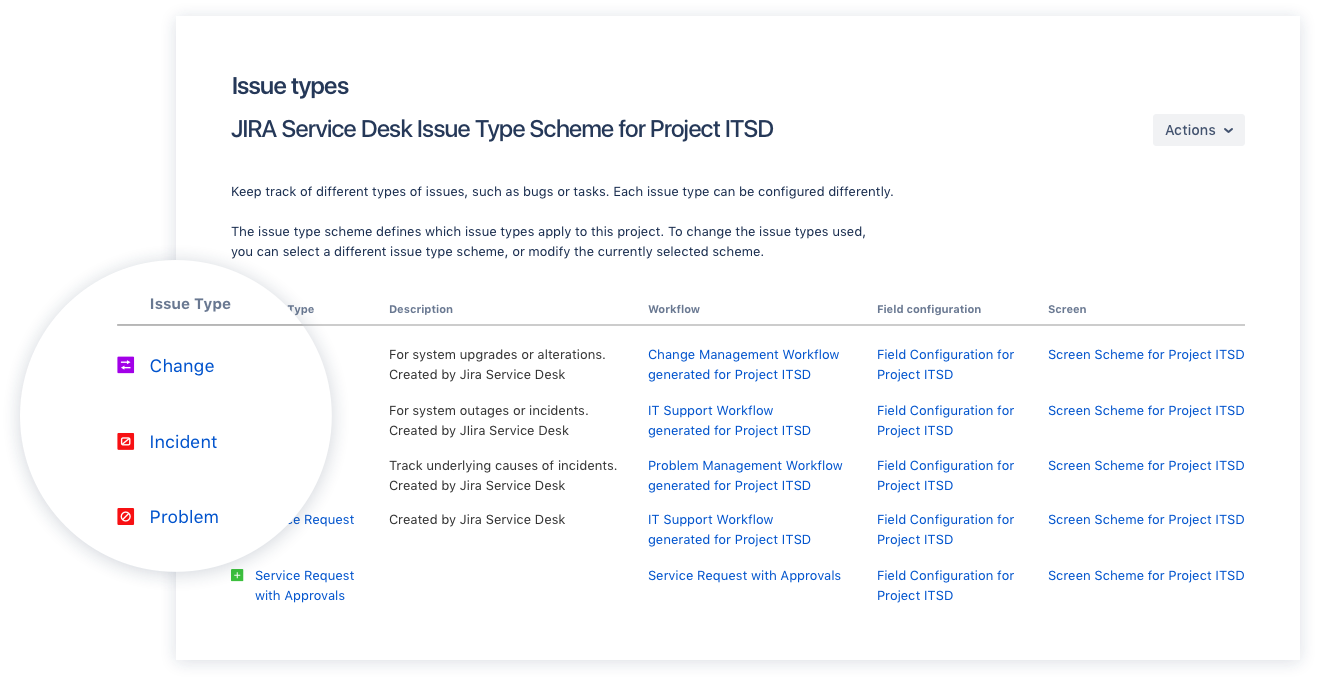  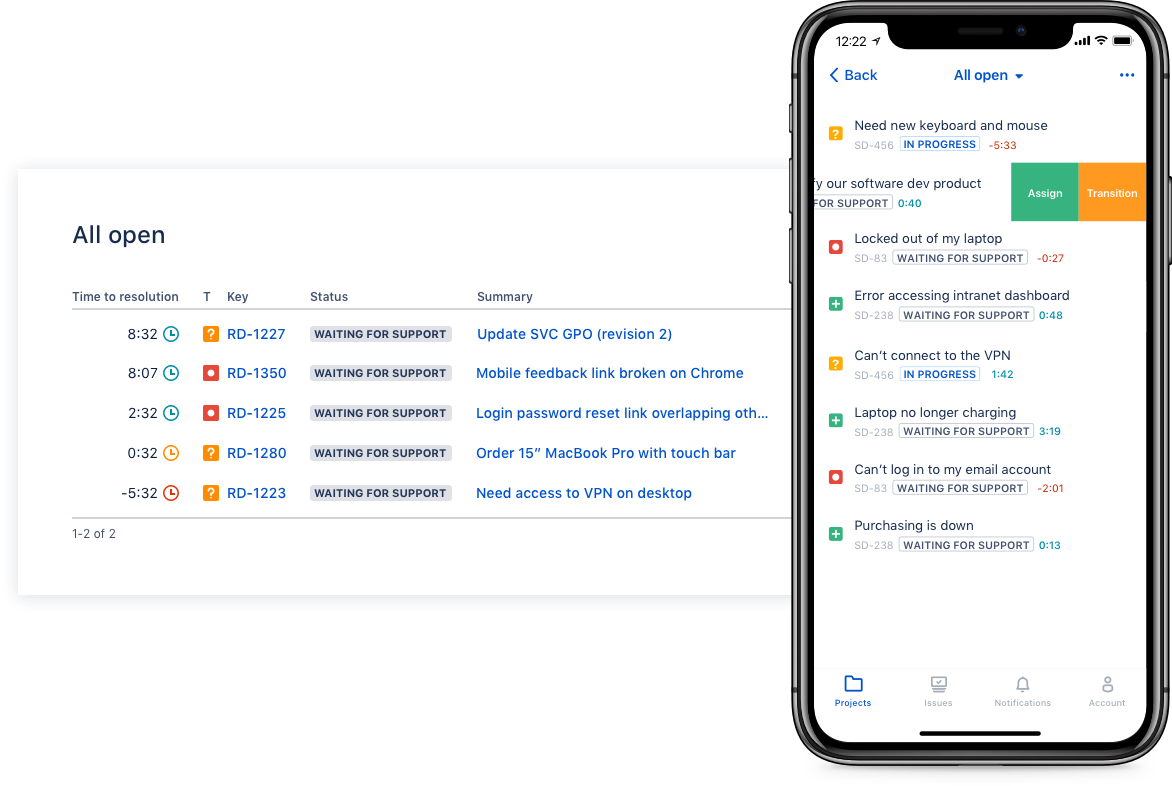  | UserVoice Screenshots 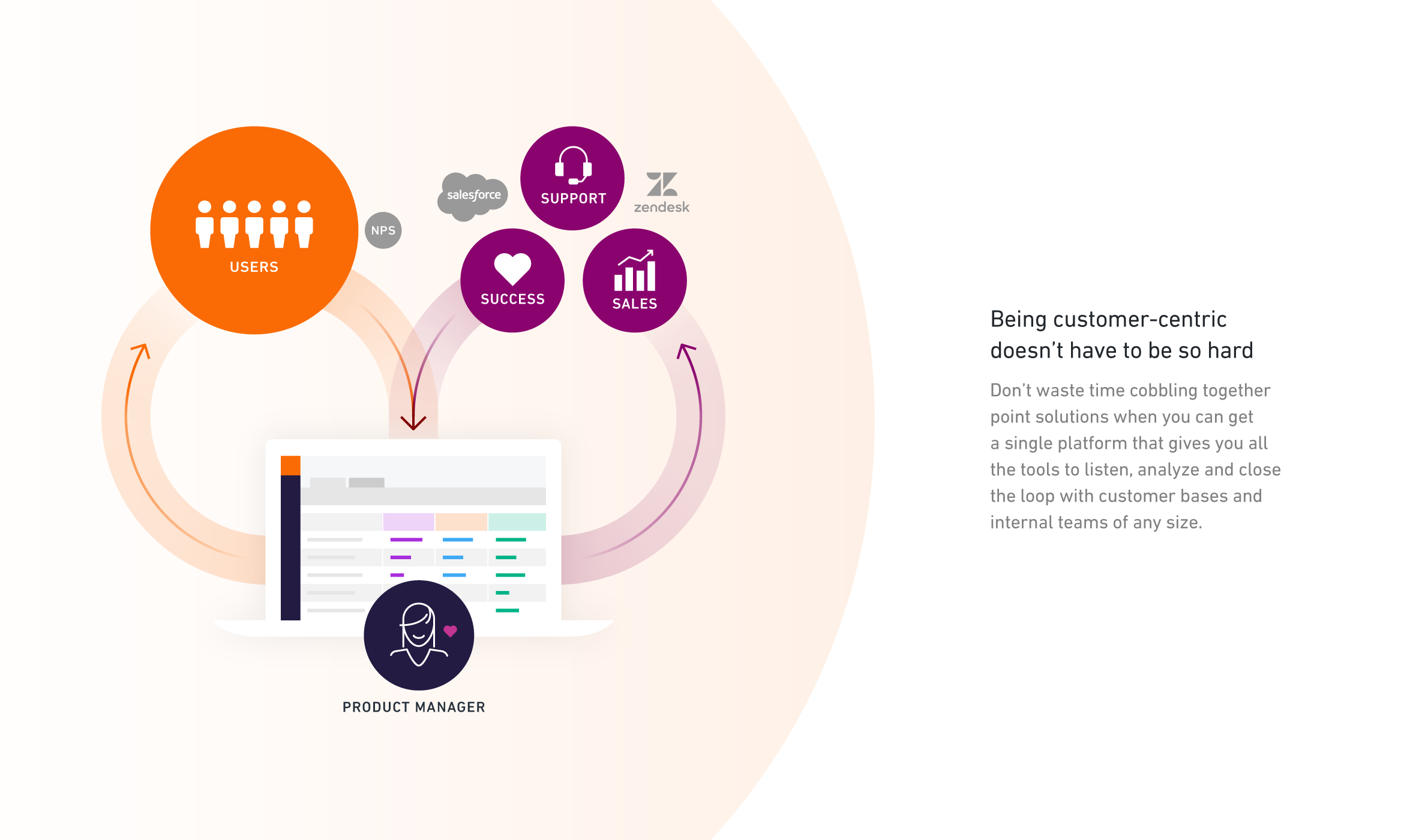  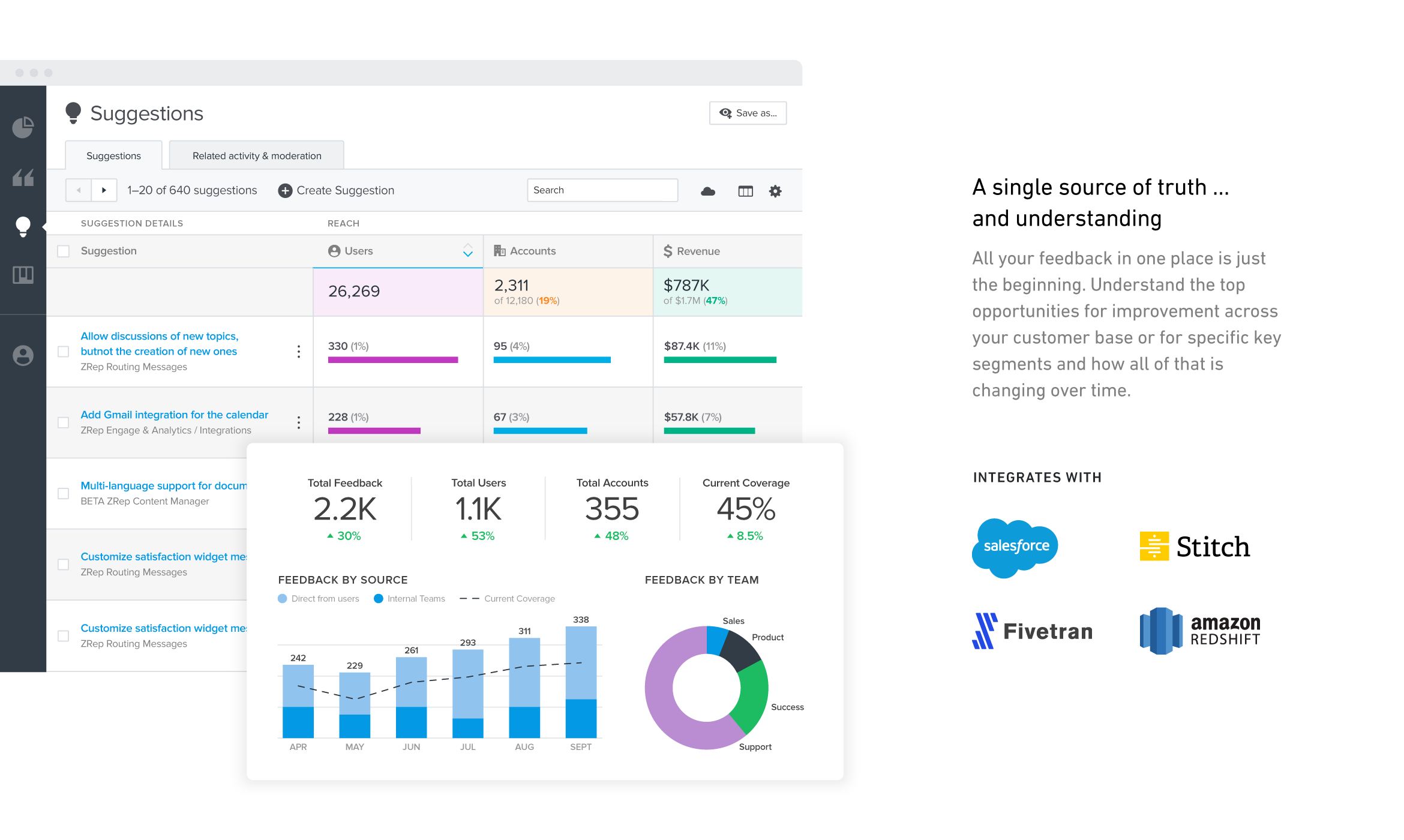 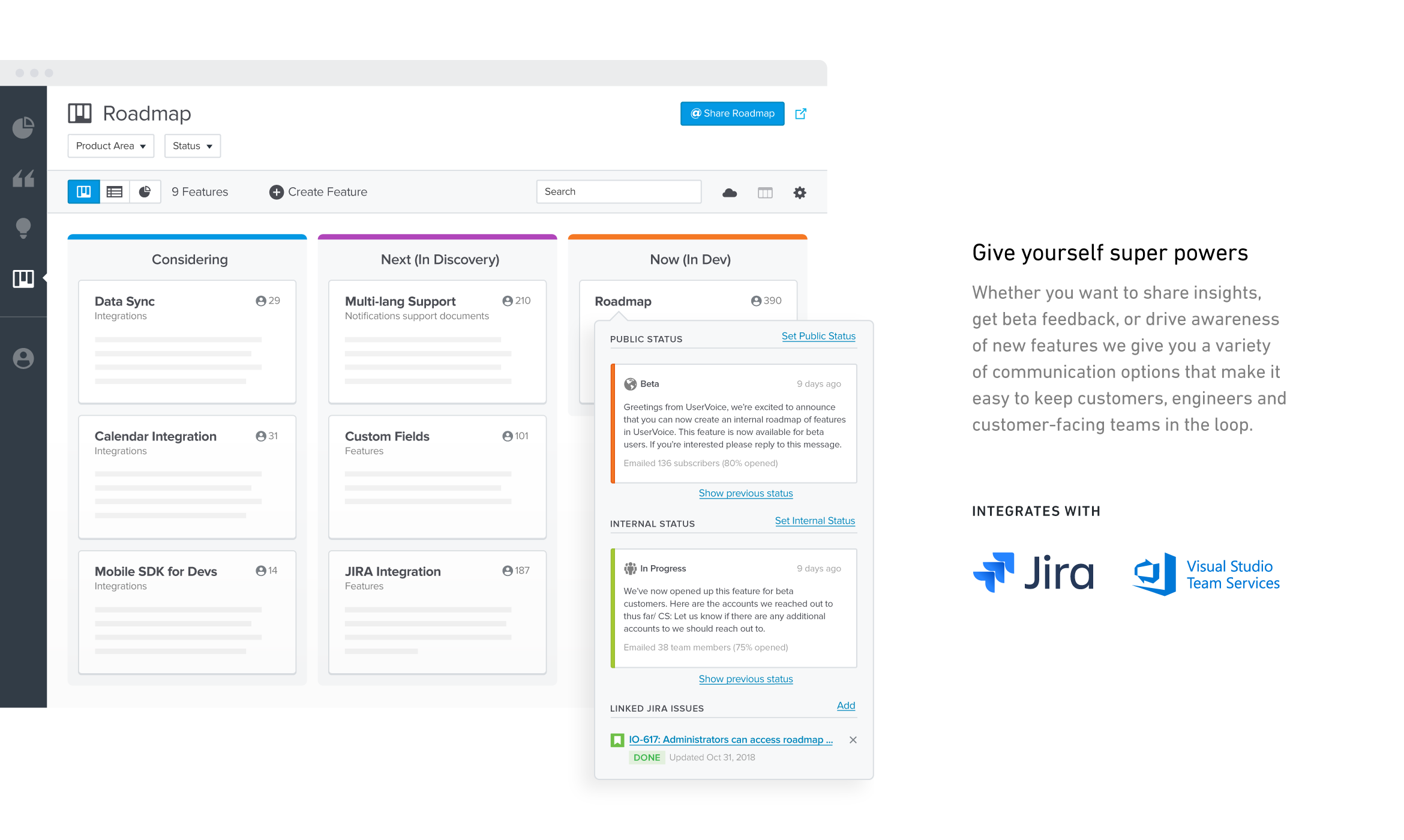 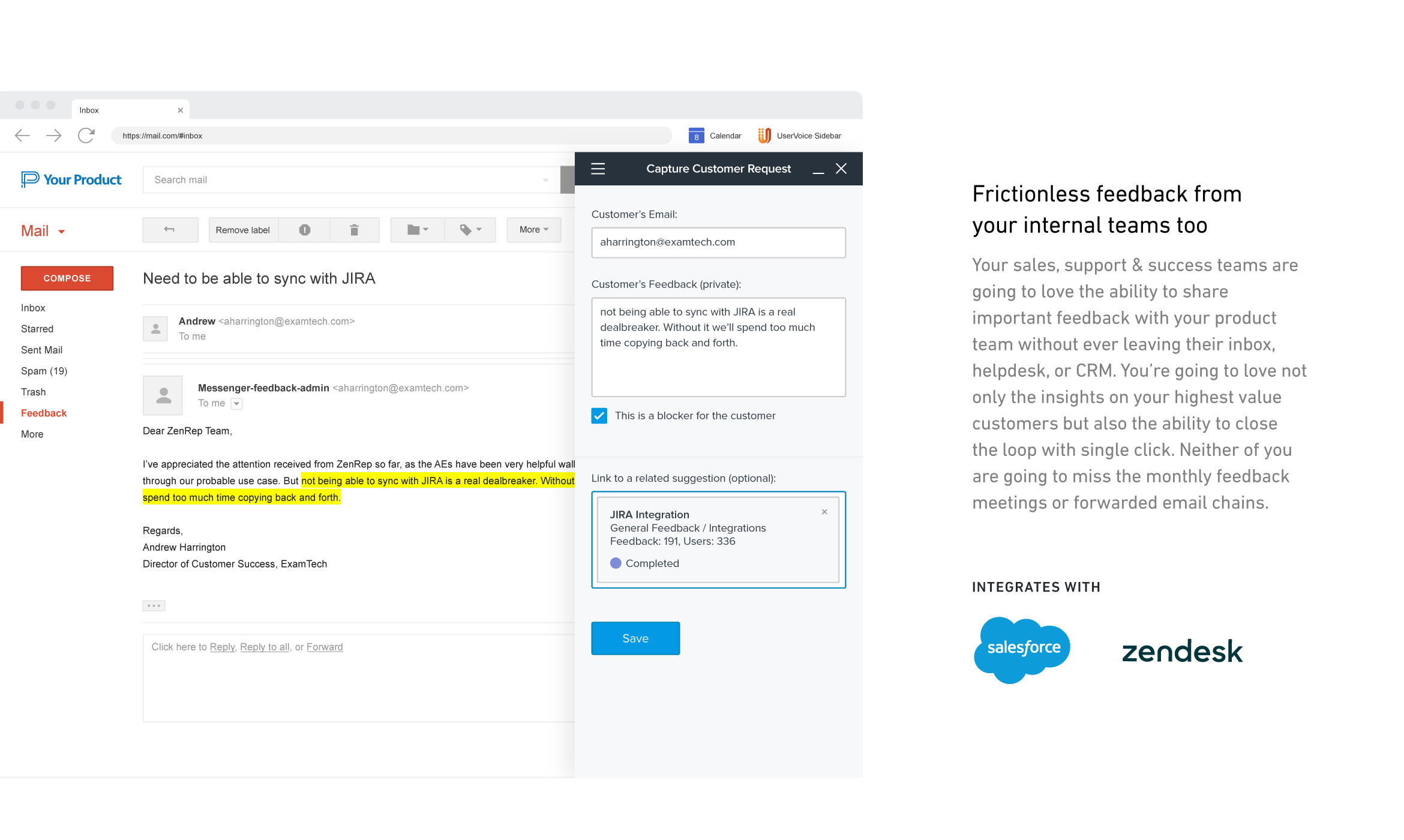 |




