
Goliath Performance Monitor vs. LogicMonitor
Goliath Performance Monitor vs. LogicMonitor
| Product | Rating | Most Used By | Product Summary | Starting Price |
|---|---|---|---|---|
 Goliath Performance Monitor | N/A | Goliath Performance Monitor is an IT infrastructure monitoring platform from Goliath Technologies in Conshohocken, Pennsylvania. | N/A | |
 LogicMonitor | Mid-Size Companies (51-1,000 employees) | LogicMonitor’s SaaS-based platform, LM Envision, enables observability across on-prem and multi-cloud environments. It provides IT and business teams operational visibility and predictability across their technologies and applications. | N/A |
| Goliath Performance Monitor | LogicMonitor | |||||||||||||||
|---|---|---|---|---|---|---|---|---|---|---|---|---|---|---|---|---|
| Editions & Modules | No answers on this topic |
| ||||||||||||||
| Offerings |
| |||||||||||||||
| Entry-level Setup Fee | No setup fee | No setup fee | ||||||||||||||
| Additional Details | — | Our platform is broken down into Pro and Enterprise Pricing. Pro includes monitoring for all of your cloud, hybrid, and on-premises infrastructure. Our Enterprise package includes all of this, plus our AIOps and Machine Learning functionality that provides dynamic thresholds, root cause analysis, anomaly detection and more! LogicMonitor only charges by the device. What is considered a device? A device is anything with an IP address that you want to monitor, including a physical device or a cloud resource. This means multiple data sources under the same IP address can be monitored for the same price. Unlike some monitoring platforms. we don’t charge per node, interface, or metric. | ||||||||||||||
| More Pricing Information | ||||||||||||||||
| Goliath Performance Monitor | LogicMonitor |
|---|
| Goliath Performance Monitor | LogicMonitor | |
|---|---|---|
| Small Businesses |  Veeam ONE Score 8.6 out of 10 | Veeam ONE Score 8.6 out of 10 |
| Medium-sized Companies |  Icinga Score 8.6 out of 10 | Icinga Score 8.6 out of 10 |
| Enterprises |  ScienceLogic SL1 Score 8.9 out of 10 | ScienceLogic SL1 Score 8.9 out of 10 |
| All Alternatives | View all alternatives | View all alternatives |
| Goliath Performance Monitor | LogicMonitor | |
|---|---|---|
| Likelihood to Recommend | 9.0 (1 ratings) | 9.4 (179 ratings) |
| Likelihood to Renew | - (0 ratings) | 6.7 (8 ratings) |
| Usability | - (0 ratings) | 8.3 (29 ratings) |
| Availability | - (0 ratings) | 9.1 (1 ratings) |
| Performance | - (0 ratings) | 9.1 (1 ratings) |
| Support Rating | - (0 ratings) | 9.2 (109 ratings) |
| In-Person Training | - (0 ratings) | 8.2 (1 ratings) |
| Online Training | - (0 ratings) | 7.3 (1 ratings) |
| Implementation Rating | - (0 ratings) | 9.6 (24 ratings) |
| Configurability | - (0 ratings) | 9.1 (1 ratings) |
| Contract Terms and Pricing Model | - (0 ratings) | 7.4 (5 ratings) |
| Ease of integration | - (0 ratings) | 7.3 (1 ratings) |
| Product Scalability | - (0 ratings) | 9.1 (1 ratings) |
| Professional Services | - (0 ratings) | 7.6 (4 ratings) |
| Vendor post-sale | - (0 ratings) | 9.1 (1 ratings) |
| Vendor pre-sale | - (0 ratings) | 9.1 (1 ratings) |
| Goliath Performance Monitor | LogicMonitor | |
|---|---|---|
| Likelihood to Recommend | Goliath Technologies
 Joe Alexander Software Architect |  LogicMonitor
|
| Pros | Goliath Technologies
Joe Alexander Software Architect | LogicMonitor
|
| Cons | Goliath Technologies
Joe Alexander Software Architect | LogicMonitor
|
| Likelihood to Renew | Goliath Technologies No answers on this topic | LogicMonitor
|
| Usability | Goliath Technologies No answers on this topic | LogicMonitor
 Martin Sims Infrastructure Engineer |
| Support Rating | Goliath Technologies No answers on this topic | LogicMonitor
 Jeremy Hutton Senior Network Engineer |
| In-Person Training | Goliath Technologies No answers on this topic | LogicMonitor
 Idan Lerer Senior Director, US Operations |
| Online Training | Goliath Technologies No answers on this topic | LogicMonitor
Idan Lerer Senior Director, US Operations |
| Implementation Rating | Goliath Technologies No answers on this topic | LogicMonitor
|
| Alternatives Considered | Goliath Technologies
Joe Alexander Software Architect | LogicMonitor
|
| Contract Terms and Pricing Model | Goliath Technologies No answers on this topic | LogicMonitor
 Zachary Brand Senior Director of Connected Solutions Delivery |
| Professional Services | Goliath Technologies No answers on this topic | LogicMonitor
|
| Return on Investment | Goliath Technologies
Joe Alexander Software Architect | LogicMonitor
|
| ScreenShots | LogicMonitor Screenshots 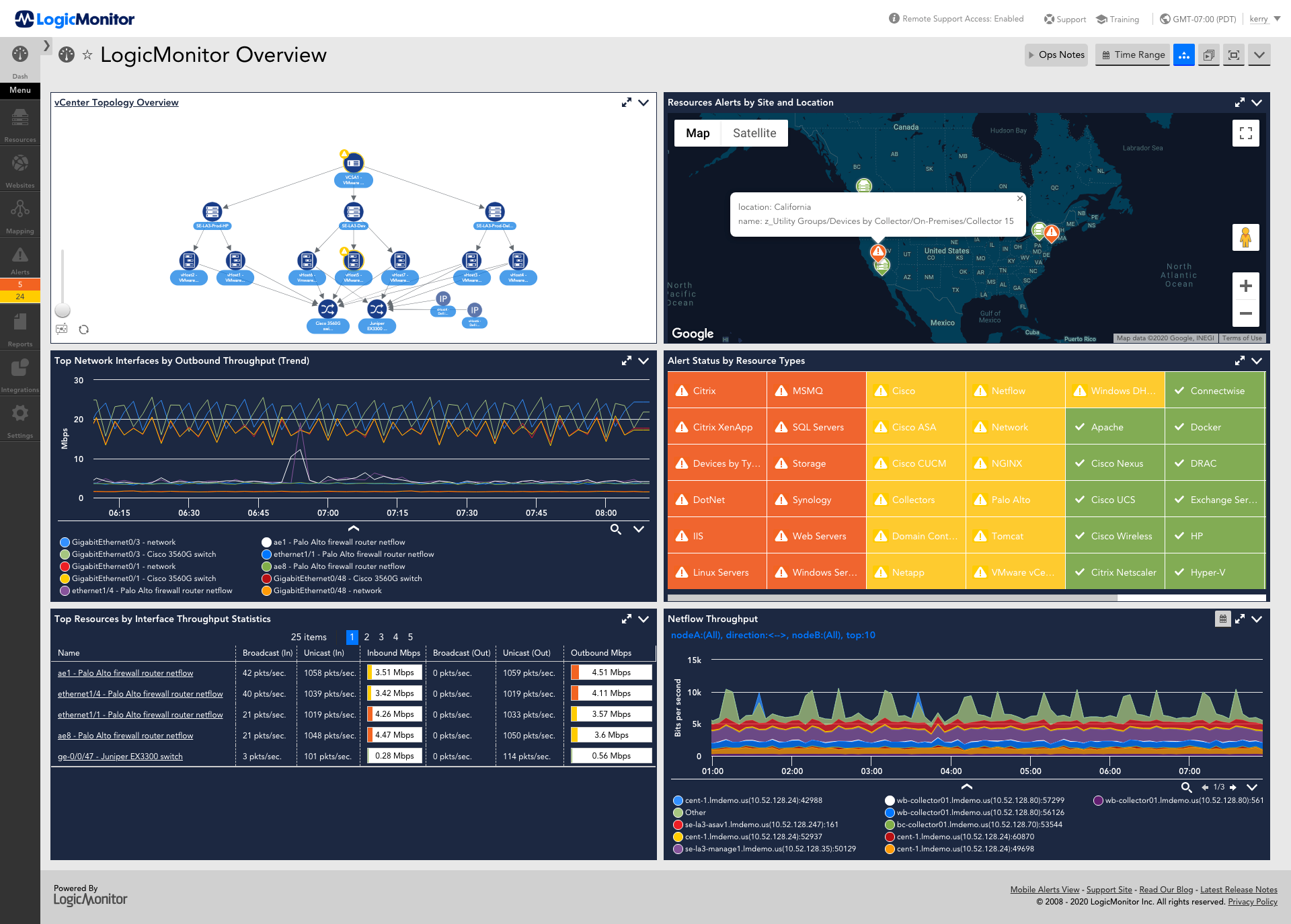  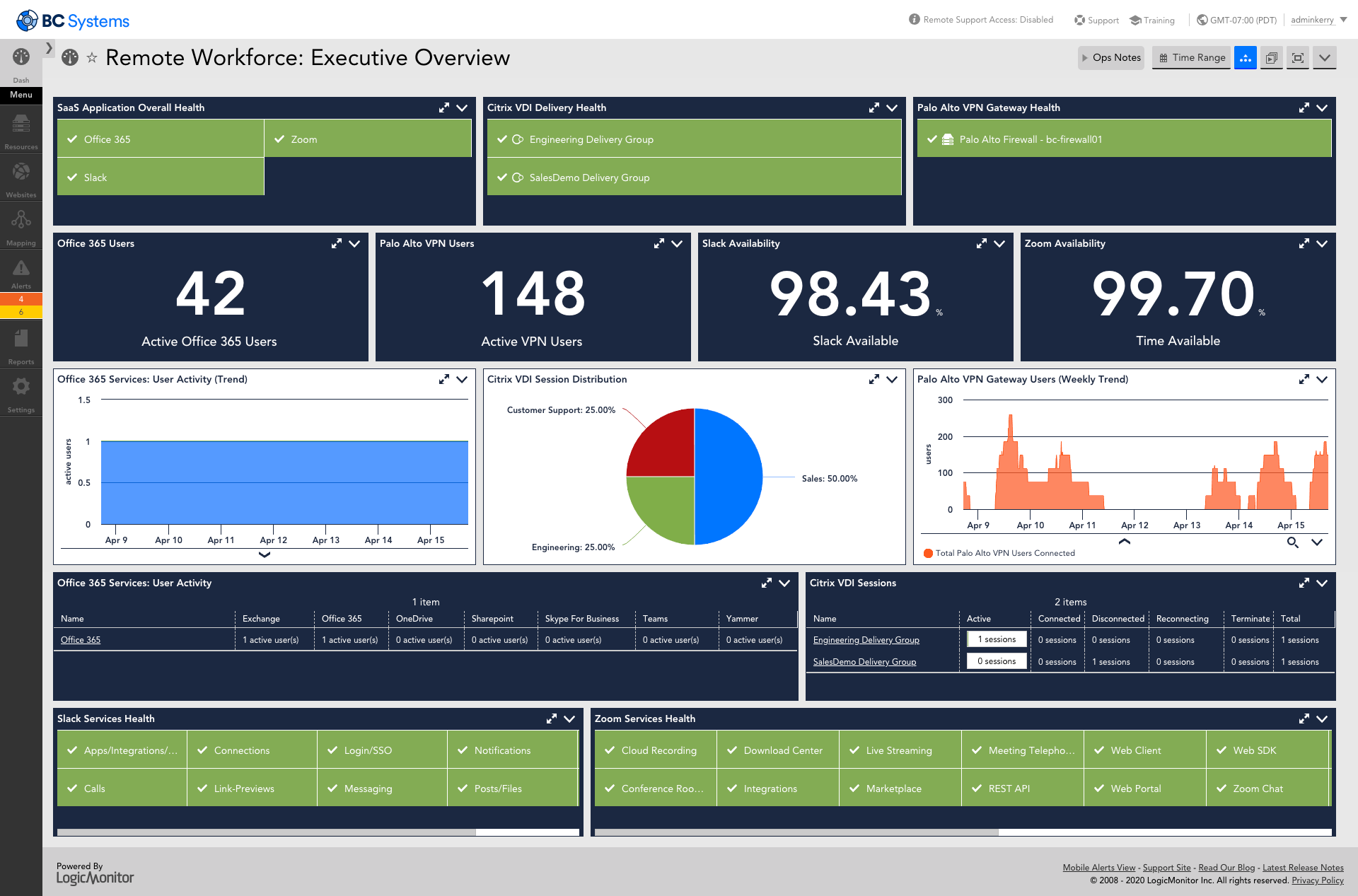   |