
Andrea Rossman
Digital Marketing Manager
Chose Adobe Experience Manager
Adobe Experience Manager is much easier to use.

| Product | Rating | Most Used By | Product Summary | Starting Price |
|---|---|---|---|---|
 Adobe Experience Manager | N/A | Adobe Experience Manager is a combined web content management system and digital asset management system. The combined applications of Adobe Experience Manager Sites and Adobe Experience Manager Assets is offered by the vendor as an end-to-end solution for managing and delivering marketing content. | N/A | |
 Uberflip | N/A | Uberflip is a content marketing platform from the Toronto company of the same name. Central to Uberflip is its content hub for aggregating, centralizing, organizing, and finally curating content for delivery to targeted audiences in streams, culminating in the call-to-action (CTA). Uberflip also contains analytics that show how effective these CTAs are (and in what context they are effective or not) so poor content can be confidently dropped in favor of what works. For $200 monthly the user… | N/A |
| Adobe Experience Manager | Uberflip | |||||||||||||||
|---|---|---|---|---|---|---|---|---|---|---|---|---|---|---|---|---|
| Editions & Modules | No answers on this topic | No answers on this topic | ||||||||||||||
| Offerings |
| |||||||||||||||
| Entry-level Setup Fee | No setup fee | Required | ||||||||||||||
| Additional Details | — | — | ||||||||||||||
| More Pricing Information | ||||||||||||||||
| Adobe Experience Manager | Uberflip | |
|---|---|---|
| Considered Both Products |  Adobe Experience Manager Andrea Rossman Digital Marketing Manager Chose Adobe Experience Manager Adobe Experience Manager is much easier to use.  Kendall Arceo AEM Developer Chose Adobe Experience Manager I use it in with site projects! |  Uberflip  Patricia Pouncey Sr. Director, Demand Generation Chose Uberflip SnapApp is a sister company of Uberflip. We had great results (2500 leads created within the year) and allowed our Sales Team to overachieve on our revenue goals.  Jana Gauvey Marketing Operations Program Manager Chose Uberflip We were evaluating apples and oranges, really. At the time of our evaluation, Pathfactory was more of a system (called LookBookHQ at the time) to create individual landing pages. Content was not really centralized or reported on outside of the individual page created. We are …  Devyn Beregi Business Development Representative Chose Uberflip n/a  Christy Ricketts VP Marketing Chose Uberflip I have used Wordpress previously but uberflip is a much better product for blog management.  Sam Macleod Director, Digital Marketing Chose Uberflip We preferred the vision for Uberflip and the team we worked with. It has an aggressive development roadmap and they roll out features quickly, including better integrations with our wider tech stack - including 6sense, salesforce, and Marketo,  Jesse Miller ABM Manager Chose Uberflip Ceros is a completely different type of tool, and didn't have the full functionality we needed. Pathfactory was good but lacked some ABM features for customization. Overall, we chose Uberflip because of all the integrations and ABM functionality we were after. They also wow'ed …  Hailey McDonald Director of Growth Marketing Chose Uberflip Uberflip's strengths seem to be in the organization and delivery of content journeys, the measurement of content engagement and integration into a broader digital marketing strategy (SEO capabilities, embedding on pages, partnerships and integrations).  Amber Francis Senior Digital Marketing and Operations Manager Chose Uberflip The WordPress site that we used before Uberflip was not intuitive, required developer time to maintain, and did not offer the same level of customization to the content types as Uberflip does. The connection with Pardot was not as smooth either.  Ashley Hyman Director of Marketing Chose Uberflip Uberflip truly integrates with the website experience through the resources hub and streams, but also in main website pop-ups and embedded tiles. It also fully integrates with our Marketing Automation Platform so we get additional information and data.  Felicia Tomasko Editor in Chief Chose Uberflip Compared to Issuu, Uberflip has higher level content creation solutions and more integration of multi-media components for campaigns. Uberflip also allows everyone to build campaigns within the design itself.  Jodi Lebow Senior Director, Demand Generation & Marketing Operations Chose Uberflip I have not found another platform that provides all the functionality Uberflip does. Before Uberflip we cobbled together content on our website, in our marketing automation platform, internal share sites for sales and such to give us a fraction of what Uberflip can do.  Eric Dickmann Vice President of Marketing Chose Uberflip We selected Uberflip because it was integrated with HubSpot and provided a user experience similar to what we were developing on our website. Uberflip has also been very responsive since day 1 and gets our issues resolved quickly. We looked at doing more in-house or building it …  Lyra (Ward) Hankins Director, Industry Marketing Chose Uberflip I was not involved in the initial selection of Uberflip and have not used competitive products. In the past I have dealt with home-grown web pages/sections that housed content and it was very painful.  Hillary Lupo M.S. Marketing Campaigns Manager Chose Uberflip Uberflip was the only vendor that allowed us to leverage content in newsletters with the ongoing content experience we were looking for. |
| Adobe Experience Manager | Uberflip | |||||||||||||||||||||||||||
|---|---|---|---|---|---|---|---|---|---|---|---|---|---|---|---|---|---|---|---|---|---|---|---|---|---|---|---|---|
| Security |
| |||||||||||||||||||||||||||
| Platform & Infrastructure |
| |||||||||||||||||||||||||||
| Web Content Creation |
| |||||||||||||||||||||||||||
| Web Content Management |
|
| Adobe Experience Manager | Uberflip | |
|---|---|---|
| Small Businesses |  Bloomreach Score 9.1 out of 10 |  CoSchedule Marketing Suite Score 10.0 out of 10 |
| Medium-sized Companies |  RWS Tridion Sites Score 9.0 out of 10 | CoSchedule Marketing Suite Score 10.0 out of 10 |
| Enterprises | RWS Tridion Sites Score 9.0 out of 10 |  Paperflite Score 8.0 out of 10 |
| All Alternatives | View all alternatives | View all alternatives |
| Adobe Experience Manager | Uberflip | |
|---|---|---|
| Likelihood to Recommend | 8.6 (0 ratings) | 8.0 (0 ratings) |
| Likelihood to Renew | 9.0 (0 ratings) | 9.0 (0 ratings) |
| Usability | 8.1 (0 ratings) | 9.8 (0 ratings) |
| Availability | 8.6 (0 ratings) | 9.1 (0 ratings) |
| Performance | 8.0 (0 ratings) | 7.3 (0 ratings) |
| Support Rating | 7.2 (0 ratings) | 3.1 (0 ratings) |
| Online Training | - (0 ratings) | 10.0 (0 ratings) |
| Implementation Rating | 8.7 (0 ratings) | 10.0 (0 ratings) |
| Vendor post-sale | - (0 ratings) | 10.0 (0 ratings) |
| Vendor pre-sale | - (0 ratings) | 10.0 (0 ratings) |
| Adobe Experience Manager | Uberflip | |
|---|---|---|
| Likelihood to Recommend |
|
|
| Pros |
|
 Nicholas Topor Global Marketing Associate |
| Cons |
|
|
| Likelihood to Renew |
 Fernando Galeano CQ5 Developer |
Hailey McDonald Director of Growth Marketing |
| Usability |
|
 Shane Adair Marketing Manager |
| Reliability and Availability |
|
 Karen Foreman-Brown Digital Strategist |
| Performance |
| No answers on this topic |
| Support Rating |
|
 Stephanie Casstevens Marketing Manager |
| Online Training | No answers on this topic |
Stephanie Casstevens Marketing Manager |
| Implementation Rating |
 Vagner Polund Software developer |
Jodi Lebow Senior Director, Demand Generation & Marketing Operations |
| Alternatives Considered |
|
|
| Return on Investment |
|
 Kristen Bridenbaugh Content Marketing Strategist |
| ScreenShots | Adobe Experience Manager Screenshots      | Uberflip Screenshots    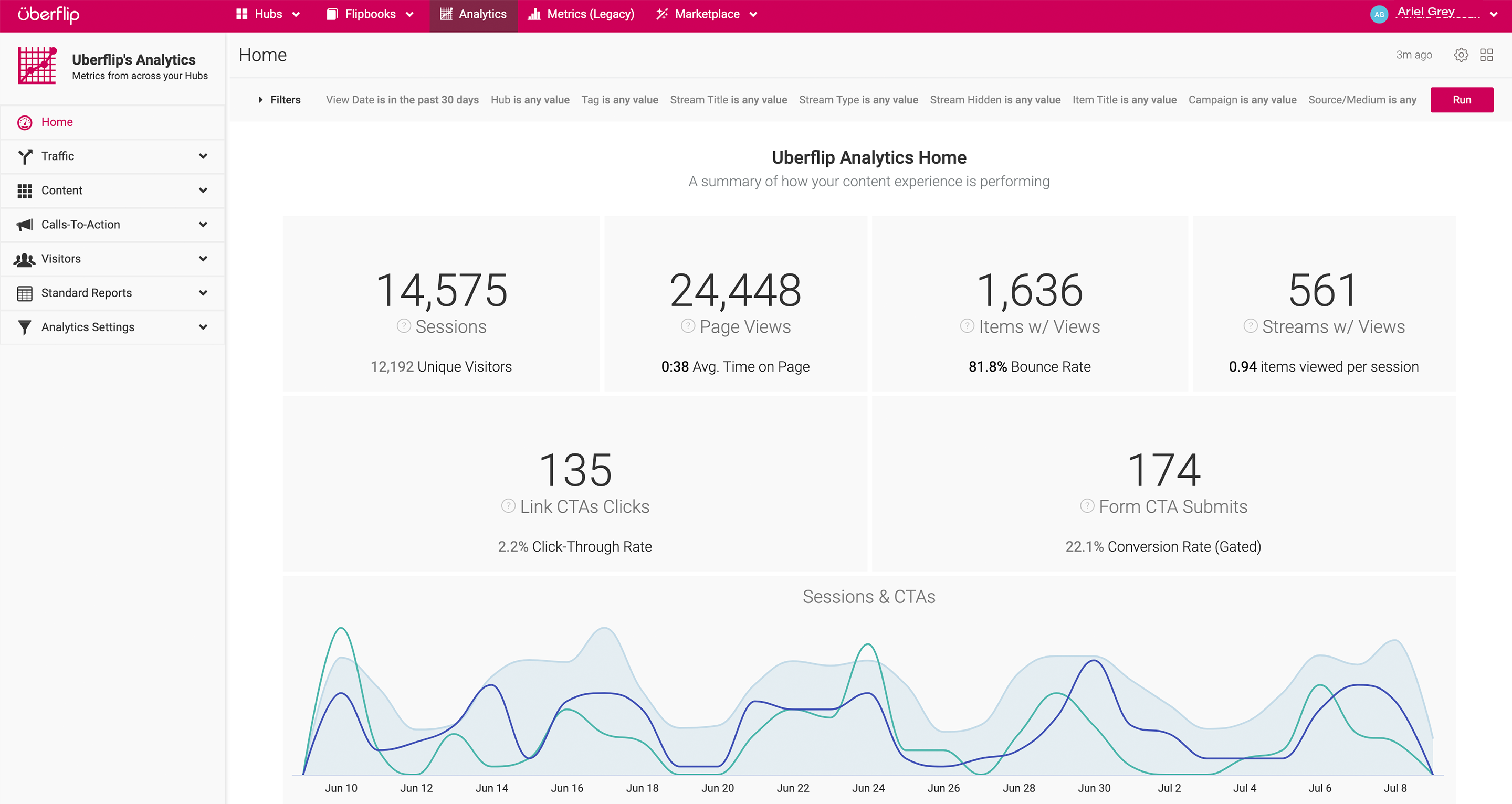 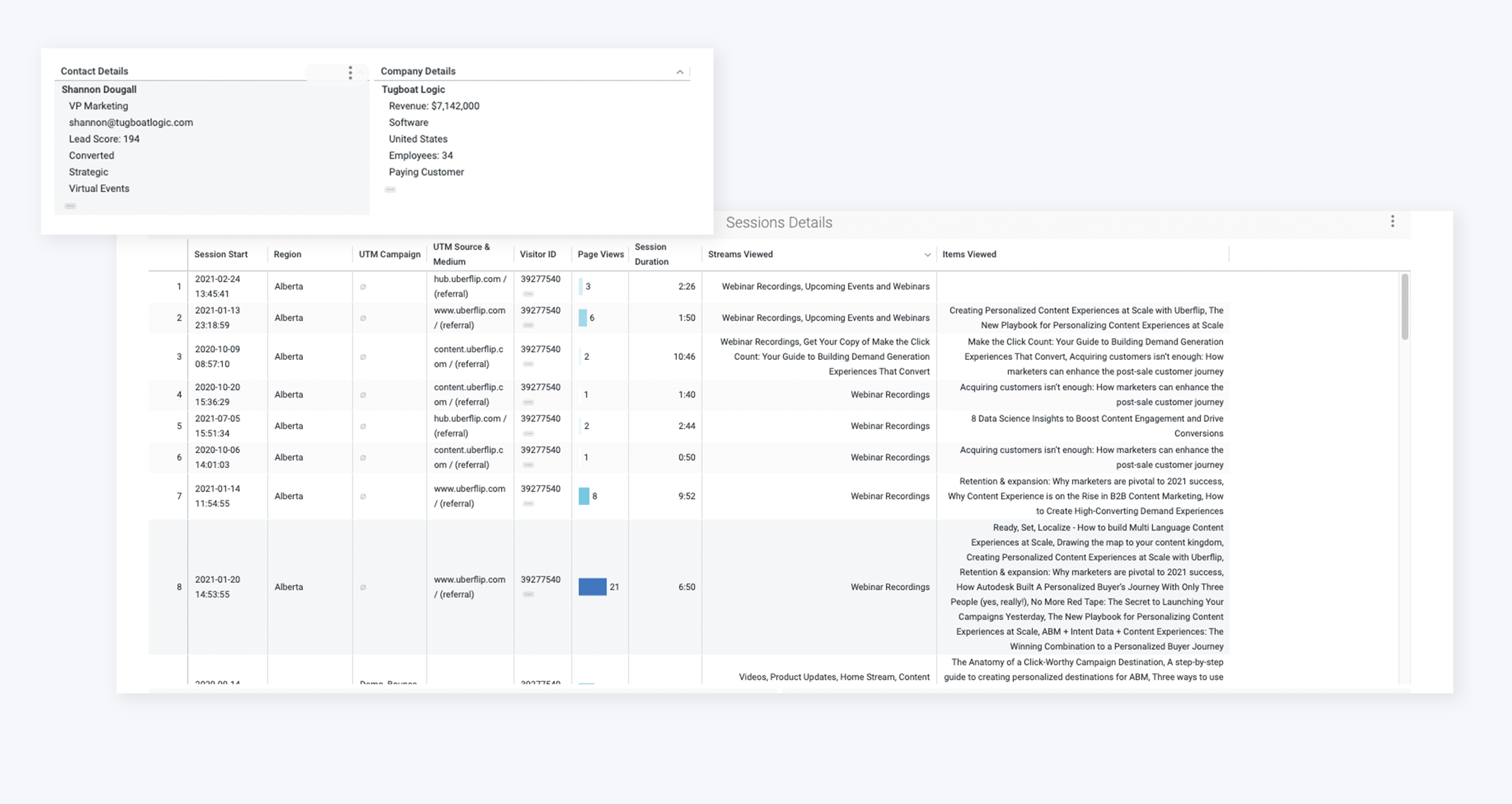 |